

Borderline personality disorder and narcissistic personality disorder are two of the most frequently confused, and most frequently misapplied, labels in popular psychology. Both involve emotional intensity, strained relationships, and patterns that can feel impossible to make sense of from the outside. Yet they are fundamentally different in their core wounds, their relationship to empathy, and what drives the behavior you experience.
People with borderline personality disorder (BPD) tend to feel emotions with overwhelming force and fear abandonment above almost everything else. People with narcissistic personality disorder (NPD) typically organize their inner world around a need for admiration and a fragile sense of self-worth that must be constantly protected. Understanding where these patterns diverge matters, especially if you are trying to make sense of a difficult relationship in your own life.

As someone wired for quiet observation, I have spent a lot of time watching the dynamics between people, particularly in high-pressure professional settings. Running advertising agencies for over two decades meant managing a wide range of personalities under intense deadlines and high client expectations. Some of those personalities were genuinely difficult to read, and not because I was socially inexperienced. They were difficult because the patterns did not follow any logic I could identify at first. It was only later, after doing serious reading in psychology and reflecting on what I had witnessed, that some of those patterns started to make sense through the lens of personality structure.
Before we go further, I want to be clear about something. This article is not a diagnostic tool, and I am not a clinician. What I write here is meant to help you think more clearly about relationship dynamics and human behavior, not to give you ammunition to label the people in your life. Labels can be useful for understanding. They can also become weapons. My goal is the former.
Much of what I explore on this site sits at the intersection of personality, self-awareness, and how we relate to others. Our Introversion vs Other Traits hub covers a wide range of topics that shape how we show up in the world, from energy and temperament to the more complex territory of personality patterns and how they interact with introversion. This article fits squarely in that space.
What Are the Core Differences Between BPD and NPD?
Both borderline and narcissistic personality disorders appear in the same cluster of the DSM-5, the manual clinicians use for diagnosis. Cluster B groups personality disorders characterized by dramatic, emotional, or erratic behavior. That clustering makes sense on the surface, because both conditions involve emotional dysregulation and relationship instability. Dig deeper, though, and the underlying architecture is quite different.
Borderline personality disorder is fundamentally about identity instability and fear of abandonment. People with BPD often describe feeling like they do not have a stable sense of who they are. Their self-image shifts rapidly. Their emotions escalate quickly and take a long time to return to baseline. Relationships tend to swing between idealization and devaluation, a pattern sometimes called “splitting,” where someone is either all good or all bad with very little middle ground. The fear driving most of this is that the people they love will leave them.
Narcissistic personality disorder is organized differently. At its center is a fragile sense of self-worth that depends heavily on external validation. People with NPD often present with grandiosity, a sense of special entitlement, and a pattern of exploiting relationships to meet their own needs. Empathy is often limited, not necessarily absent, but selectively applied and frequently overridden by self-interest. The fear driving NPD tends to be exposure, specifically the exposure of inadequacy underneath the grandiose exterior.
One of the clearest ways to distinguish the two is by asking: who is the emotional pain aimed at? With BPD, the person is often in tremendous pain themselves, and that pain spills outward in ways that can be destructive to others. With NPD, the pain of others tends to register less, and the focus stays more consistently on the self and its needs.
How Does Empathy Work Differently in Each Condition?
Empathy is one of the most discussed differences between these two personality structures, and it is worth spending real time here because it is also one of the most misunderstood.
People with BPD often have high emotional sensitivity. They can be acutely attuned to the moods and emotional states of others, sometimes picking up on subtle shifts that most people miss entirely. This is not the same as regulated empathy, though. Because their own emotional system is so easily activated, what starts as attunement can quickly become overwhelm. They may absorb the emotional atmosphere of a room and then struggle to separate what they feel from what others are feeling.

People with NPD, particularly those who present with more grandiose features, often show what clinicians describe as empathy deficits. They can understand intellectually that others have feelings. They may even be skilled at reading emotional cues when it serves them. What tends to be missing is the spontaneous, automatic emotional resonance that most people experience when someone they care about is hurting. Some researchers distinguish between cognitive empathy, understanding what someone feels, and affective empathy, actually feeling it alongside them. NPD tends to preserve more of the cognitive side while limiting the affective side.
I managed a senior account director years ago who displayed what I now recognize as classic narcissistic traits. He was exceptionally skilled at reading clients, knowing exactly what they wanted to hear and delivering it with precision. In team settings, though, he had almost no tolerance for a junior staff member’s distress. When a young copywriter came to him in tears after a client presentation went badly, his response was to tell her she needed to toughen up. He understood the situation intellectually. He just did not feel any pull to actually comfort her. That gap between comprehension and genuine care is one of the hallmarks of the narcissistic pattern.
Contrast that with someone operating from a borderline structure. A creative director I worked with earlier in my career was intensely emotionally present with her team. She remembered birthdays, noticed when someone seemed off, and would drop everything to sit with a colleague who was struggling. That same sensitivity, though, meant that any perceived slight from a client or colleague could send her into a spiral that lasted days and affected everyone around her. Her empathy was real. It was also unregulated.
What Does the Relationship Pattern Look Like in Each Case?
If you have been in a close relationship with someone who has either of these personality structures, you probably know that the experience is exhausting in different ways.
With BPD, the relationship cycle often involves intense closeness followed by sudden rupture. The person may idealize you completely at first, seeing you as the one person who truly understands them. Then something shifts, a perceived rejection, a misread tone, a moment of unavailability, and the idealization collapses into its opposite. You may find yourself accused of things that feel completely disconnected from your actual behavior. The emotional intensity can be overwhelming for anyone, but particularly for introverts who process conflict internally and need time to think before responding.
With NPD, the relationship dynamic tends to involve a different kind of cycle. Early on, there is often what is sometimes called “love bombing,” an overwhelming attention and admiration that feels extraordinary. Over time, as the relationship becomes more ordinary and the person with NPD no longer receives the same level of supply, the dynamic shifts. Criticism becomes more frequent. Your needs start to feel like inconveniences. The relationship increasingly revolves around managing the other person’s ego rather than genuine mutual exchange.
Both patterns can involve what feels like manipulation, though the motivations differ. With BPD, manipulative behavior, when it occurs, is usually driven by panic and a desperate attempt to prevent abandonment. With NPD, it tends to be more instrumental, a tool for maintaining control and securing admiration.
Worth noting here: neither of these patterns is a character flaw in the moral sense. Both develop from early experiences, often involving trauma, inconsistent caregiving, or environments where the person’s emotional needs were not adequately met. Understanding the origin does not mean excusing harmful behavior. It does mean approaching the topic with some humility about how these patterns form.
How Does Introversion Intersect With These Personality Patterns?
This is where things get genuinely interesting for those of us who think carefully about personality and self-understanding.
Introversion is a temperament trait, not a personality disorder. It describes where you draw energy from and how you prefer to process information, internally rather than externally. BPD and NPD are clinical constructs describing patterns of thinking, feeling, and relating that cause significant distress and impairment. Conflating them with introversion is a mistake, but there are some surface-level overlaps that can cause confusion.
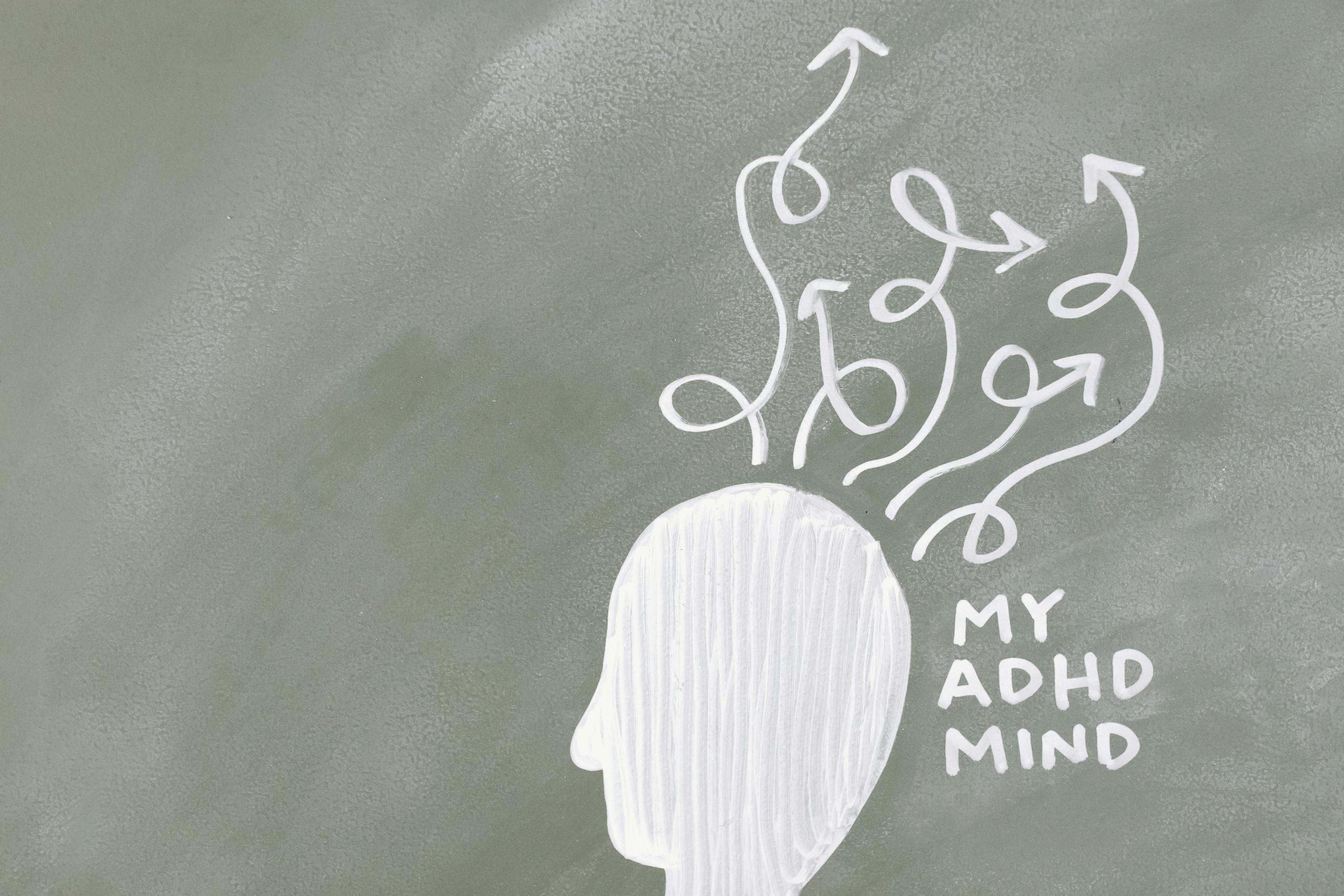
Some introverts, particularly those who are also highly sensitive, may find that their emotional depth and sensitivity gets misread as borderline instability. The preference for depth over breadth in relationships, the intensity of feeling, the need for time alone after social exposure: none of these are symptoms of BPD. They are features of introversion and high sensitivity that deserve to be understood on their own terms. If you are unsure where you fall on the introvert-extrovert spectrum, taking the Introvert Extrovert Ambivert Omnivert Test can give you a clearer baseline to work from.
On the other end, some introverts who are also private, self-contained, and selective about relationships may get unfairly tagged with narcissistic traits simply because they do not perform warmth in the expected ways. Not wanting to engage in small talk is not the same as lacking empathy. Preferring solitude is not the same as viewing others as tools. Understanding what extroverted actually means can help clarify why some introverted behaviors get misread as coldness or arrogance when they are simply different modes of engagement.
As an INTJ, I have been on the receiving end of both misreadings. I have been told I seem cold when I am simply processing. I have been told I seem intense when I am simply focused. Neither of those observations reflects a personality disorder. They reflect a temperament that does not fit the extroverted default. Knowing the difference matters, both for how you understand yourself and for how you interpret the behavior of others.
The difference between being fairly introverted versus extremely introverted also plays a role here. Someone who is deeply introverted may withdraw in ways that look like emotional unavailability, which can trigger abandonment fears in someone with BPD, or be interpreted as aloofness by someone with NPD. The interaction between temperament and personality structure is worth paying attention to in any close relationship.
Can Someone Have Both BPD and NPD at the Same Time?
Yes, and this is more common than many people realize. Comorbidity between personality disorders is well-documented in clinical literature. Someone can meet diagnostic criteria for both BPD and NPD simultaneously, which is part of why these conditions can be so difficult to distinguish from the outside.
When both patterns are present, you might see the emotional volatility and abandonment sensitivity of BPD combined with the entitlement and empathy deficits of NPD. The resulting presentation can be particularly disorienting for people in relationship with them, because the behavior seems to shift between two different logics without obvious pattern.
There is also a concept sometimes called “high-functioning” presentations of both disorders, where someone has the underlying structure but has developed enough coping mechanisms to appear relatively stable in professional or social settings. I saw this in the advertising world more than once. Someone could be charming, high-performing, and seemingly well-adjusted in client meetings while creating absolute chaos in their personal relationships and with direct reports. The professional mask held. The private self did not.
Published work in clinical psychology, including material available through PubMed Central, has explored the overlapping features of Cluster B disorders and the challenges this creates for both diagnosis and treatment. The takeaway for non-clinicians is not to attempt diagnosis, but to recognize that human personality is genuinely complex and that clean categorical labels rarely capture the full picture.
How Should You Approach Relationships With These Dynamics?
Whether you are managing a professional relationship, a family dynamic, or a friendship, understanding these patterns can help you respond more thoughtfully and protect your own wellbeing.

With someone operating from a borderline structure, consistency matters enormously. Unpredictability, even well-intentioned unpredictability, tends to activate the abandonment fear at the core of BPD. Clear communication, following through on what you say, and not disappearing emotionally during conflict can all help stabilize the dynamic. That said, you are not responsible for managing another adult’s emotional regulation. Boundaries are not cruelty. They are clarity.
With someone operating from a narcissistic structure, the most important thing is to stay grounded in your own perception of reality. Gaslighting, the gradual erosion of your confidence in your own experience, is a common feature of these relationships. Keeping a clear sense of your own values, needs, and observations is protective. Psychology Today’s four-step conflict resolution framework offers some practical structure for managing high-conflict dynamics, though in deeply entrenched narcissistic relationships, professional support is often necessary.
For introverts specifically, both of these dynamics can be particularly draining. Introverts tend to process conflict internally, need time before responding, and find sustained emotional intensity depleting in ways that extroverts may not. If you are in a relationship with someone who has either of these personality structures, your need for recovery time and quiet is not a weakness. It is a genuine physiological requirement. Honoring it is not selfish. It is sustainable.
Some people who find themselves repeatedly drawn into these dynamics are also worth examining their own patterns. Highly empathic introverts, in particular, can find themselves functioning as emotional anchors for people who need more support than any one person can provide. Recognizing that pull and understanding why it exists is genuinely useful work. The Psychology Today piece on why introverts need deeper conversations touches on the kind of meaningful connection introverts actually seek, which is worth contrasting with the dynamic of being someone’s emotional caretaker.
If you are handling a particularly complex personality situation in a professional context, it is also worth noting that personality type alone does not determine how well someone functions in a role. Some of the most effective people I worked with had genuinely difficult personality structures. What mattered was whether they had enough self-awareness and support to channel their patterns productively. The Frontiers in Psychology research on personality and workplace dynamics offers some useful context for thinking about how personality traits function in organizational settings.
What Role Does Self-Awareness Play in Recovery and Growth?
One of the most important distinctions between BPD and NPD, from a practical standpoint, is the relationship each has with self-awareness and the capacity for change.
People with BPD often have significant insight into their own suffering. They frequently know their reactions are disproportionate. They may feel deep shame about their behavior after an episode of emotional dysregulation. This awareness, painful as it is, also means that therapeutic work can be quite effective. Dialectical Behavior Therapy, developed specifically for BPD, has a strong track record of helping people develop emotional regulation skills and build more stable relationships. The capacity to recognize and grieve the impact of one’s own behavior is a meaningful foundation for change.
NPD presents a more complicated picture. The grandiose exterior that characterizes many narcissistic presentations is often a defense against intolerable feelings of inadequacy. Asking someone to examine that defense honestly is asking them to expose the very thing the defense exists to protect. This is one reason why people with NPD are less likely to seek therapy voluntarily and, when they do, may find it difficult to sustain the vulnerability the process requires. That said, change is not impossible. It is simply more effortful and requires a level of motivation that often has to come from significant life disruption rather than quiet self-reflection.
I think about self-awareness constantly in the context of my own introversion. For a long time, I did not understand why I found certain leadership environments so depleting. I knew I was effective. I knew I could deliver results. What I did not understand was why the constant performance of extroverted leadership left me feeling hollowed out by Friday. Understanding my INTJ temperament, and specifically the introversion at its core, gave me a framework that made sense of my experience. That kind of self-knowledge is genuinely different from the defensive self-protection you see in narcissistic structure. It is curious rather than armored.
There are also fascinating questions about where personality type intersects with these clinical patterns. Someone who is more omnivert in their social energy, shifting between introversion and extroversion depending on context, experiences the world quite differently from someone at either extreme. You can explore those distinctions further through the omnivert vs ambivert comparison or take the introverted extrovert quiz to get clearer on your own social energy patterns. Understanding your baseline temperament is a useful starting point before trying to interpret the more complex territory of personality disorders.

How Do You Protect Your Own Mental Health While Understanding These Patterns?
Understanding personality disorders intellectually is one thing. Living alongside them is another.
One of the most useful reframes I have encountered is the idea that you can hold compassion for someone’s pain while still recognizing that their behavior is harmful to you. These two things are not in conflict. Someone can have a genuinely difficult history that explains their patterns, and their patterns can still be incompatible with your wellbeing. Both things are true at the same time.
For introverts, who tend to internalize and process deeply, there is a particular risk of spending enormous mental energy trying to understand and accommodate someone with a difficult personality structure, at the cost of your own clarity and peace. The analytical pull toward making sense of confusing behavior is real and, in moderation, useful. Taken too far, it becomes a way of staying in a situation that is not serving you while telling yourself you just need to understand it better.
Therapy is genuinely useful here, not because it will fix the other person, but because it gives you a space to process your own experience with someone who has clinical training. Research published in PubMed Central on therapeutic outcomes for people affected by personality disorder dynamics in close relationships supports the value of professional support, both for those with the diagnosis and for those around them.
Setting boundaries with someone who has BPD or NPD is not simple. With BPD, a boundary can feel to the other person like abandonment, triggering exactly the reaction you were hoping to avoid. With NPD, a boundary is often experienced as a challenge to authority or a narcissistic injury, which can escalate conflict. Knowing this in advance does not make boundaries less necessary. It just means going in with realistic expectations about the response.
There is also something worth saying about the language we use. The internet has made amateur diagnosis of narcissism particularly common, to the point where the word has lost much of its clinical precision. Not everyone who is self-centered has NPD. Not everyone who reacts strongly to perceived rejection has BPD. Using these terms loosely does a disservice to people who live with these diagnoses and to the people trying to make sense of their relationships. Precision in language is a form of respect.
If you are trying to make sense of your own personality patterns in relation to others, the distinction between otrovert and ambivert is one piece of a larger puzzle about how we engage with the social world. Personality type, temperament, and clinical psychology each offer different lenses, and none of them alone tells the full story.
The broader work of understanding how personality shapes our relationships, our careers, and our sense of self is something I return to constantly on this site. If this article sparked questions about how introversion intersects with other personality traits and patterns, the full range of that exploration lives in our Introversion vs Other Traits hub, where I cover everything from energy types to the more nuanced territory of how temperament and personality interact.
About the Author
Keith Lacy is an introvert who’s learned to embrace his true self later in life. After 20 years in advertising and marketing leadership, including running agencies and managing Fortune 500 accounts, Keith now channels his experience into helping fellow introverts understand their strengths and build fulfilling careers. As an INTJ, he brings analytical depth and authentic perspective to every article, drawing from both professional expertise and personal growth.
Frequently Asked Questions
What is the main difference between borderline personality disorder and narcissistic personality disorder?
BPD centers on identity instability and intense fear of abandonment, with emotions that escalate quickly and relationships that swing between idealization and devaluation. NPD centers on a fragile sense of self-worth that requires constant external validation, often presenting as grandiosity, entitlement, and limited affective empathy. Both involve relationship difficulties, but the underlying structure and the fears driving the behavior are quite different.
Can introverts be misdiagnosed with BPD or NPD?
Introversion is a temperament trait, not a clinical disorder, and it should not be confused with either BPD or NPD. That said, some introverted traits can superficially resemble features of these conditions. Deep emotional sensitivity in introverts may be misread as borderline instability. Introverted reserve and selectivity in relationships may be misread as narcissistic coldness. Accurate assessment requires a trained clinician who understands the distinction between temperament and personality pathology.
Is empathy genuinely absent in narcissistic personality disorder?
Not entirely. Many clinicians distinguish between cognitive empathy, the ability to understand what someone else is feeling, and affective empathy, actually feeling it alongside them. People with NPD often retain cognitive empathy, which is partly why they can be skilled at reading social situations. What tends to be impaired is affective empathy, the spontaneous emotional resonance that motivates genuine care for others. This is different from a complete absence of empathy.
Can someone have both BPD and NPD at the same time?
Yes. Comorbidity between personality disorders in the same cluster is well-documented. Someone can meet diagnostic criteria for both conditions simultaneously, which often makes the presentation more complex and harder to read from the outside. When both patterns are present, you may see the emotional volatility and abandonment sensitivity of BPD combined with the entitlement and empathy deficits of NPD.
How should an introvert protect their mental health when in a relationship with someone who has BPD or NPD?
Introverts who process deeply and feel things intensely can find these relationships particularly draining. Maintaining clear personal boundaries, honoring your genuine need for solitude and recovery time, and seeking professional support are all important. Compassion for someone’s pain does not require you to absorb it indefinitely. Understanding the pattern helps, but at some point, protecting your own clarity and wellbeing becomes the priority rather than endlessly analyzing the other person’s behavior.