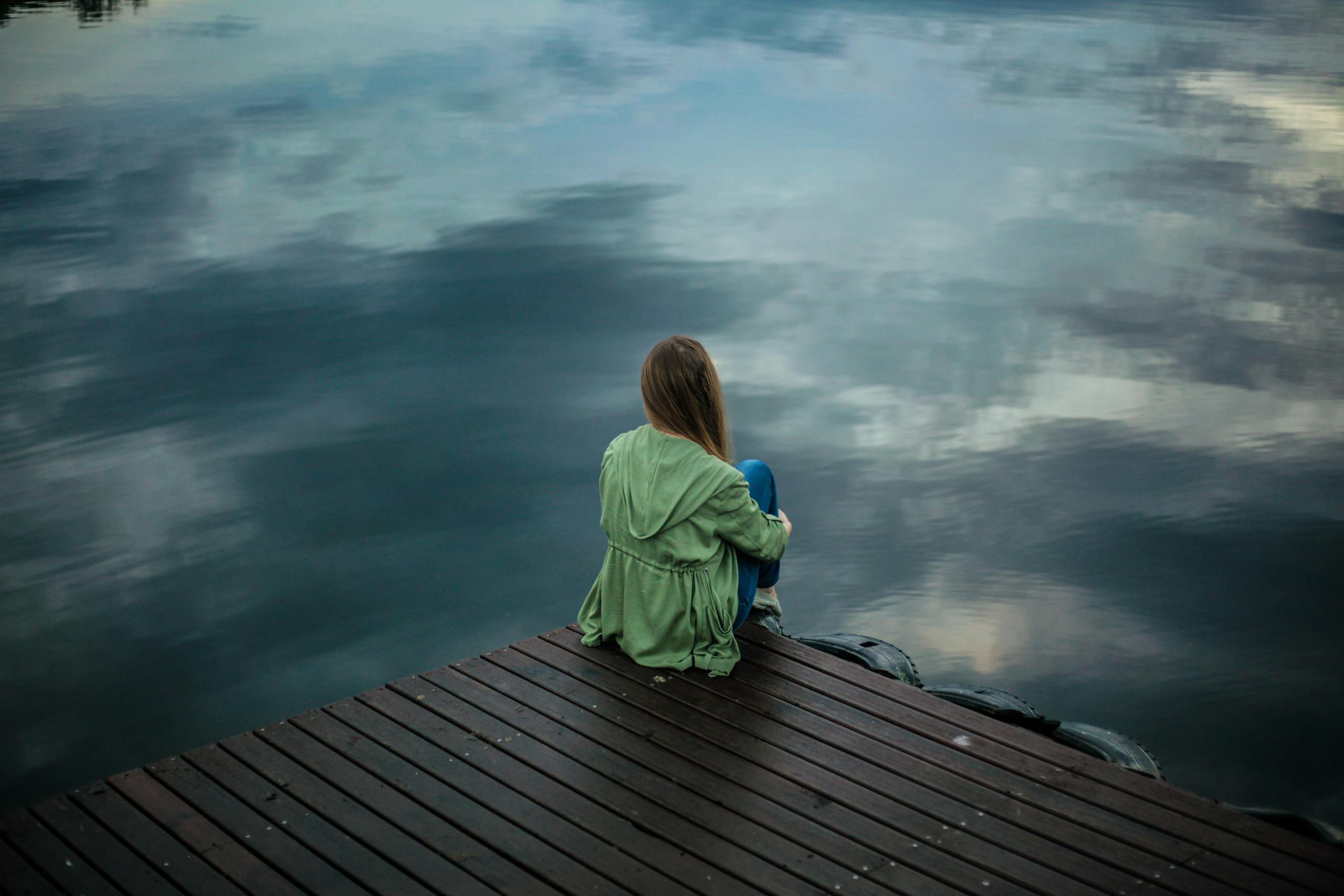

Stonewall Lake in West Virginia is one of those places that quietly earns a reputation among people who prefer meaning over noise. Nestled in the Appalachian hills of Roane County, this 2,650-acre reservoir offers something genuinely rare in the modern dating world: an environment where introverts can finally exhale, be themselves, and connect with another person without the performance anxiety that crowds and cocktail parties tend to produce. Whether you arrive solo, with a partner, or somewhere in the tentative early stages of something new, Stonewall Lake has a way of stripping the social pretense away and leaving only what actually matters.
For introverts specifically, places like this are not just pleasant getaways. They are relational accelerators. The right setting can do more for genuine connection than a dozen dinner dates ever could.
If you are thinking more broadly about how introverts build romantic connections, our Introvert Dating and Attraction hub explores the full terrain of what it actually looks like to date as someone who processes deeply and recharges in quiet. Stonewall Lake fits naturally into that larger picture, because the environment itself does something that no dating app algorithm can replicate.
What Makes Stonewall Lake Different From Every Other “Romantic Getaway”?
Most places marketed as romantic getaways are designed for extroverts. Busy resort towns, crowded wine festivals, loud lakeside bars with live cover bands playing at a volume that makes conversation impossible. I know this because I spent years taking clients to exactly those kinds of places, believing that energy and stimulation were the ingredients for memorable experiences. Running an advertising agency meant I was constantly engineering environments meant to impress, to dazzle, to overwhelm in the best possible way.
Stonewall Lake operates on entirely different principles. The West Virginia State Park surrounding it offers camping, cabin rentals, fishing, hiking trails, and a beach area, but none of it feels manufactured. The stimulation level stays low enough that two people can actually hear each other think. And for an introvert, that is not a minor detail. That is everything.
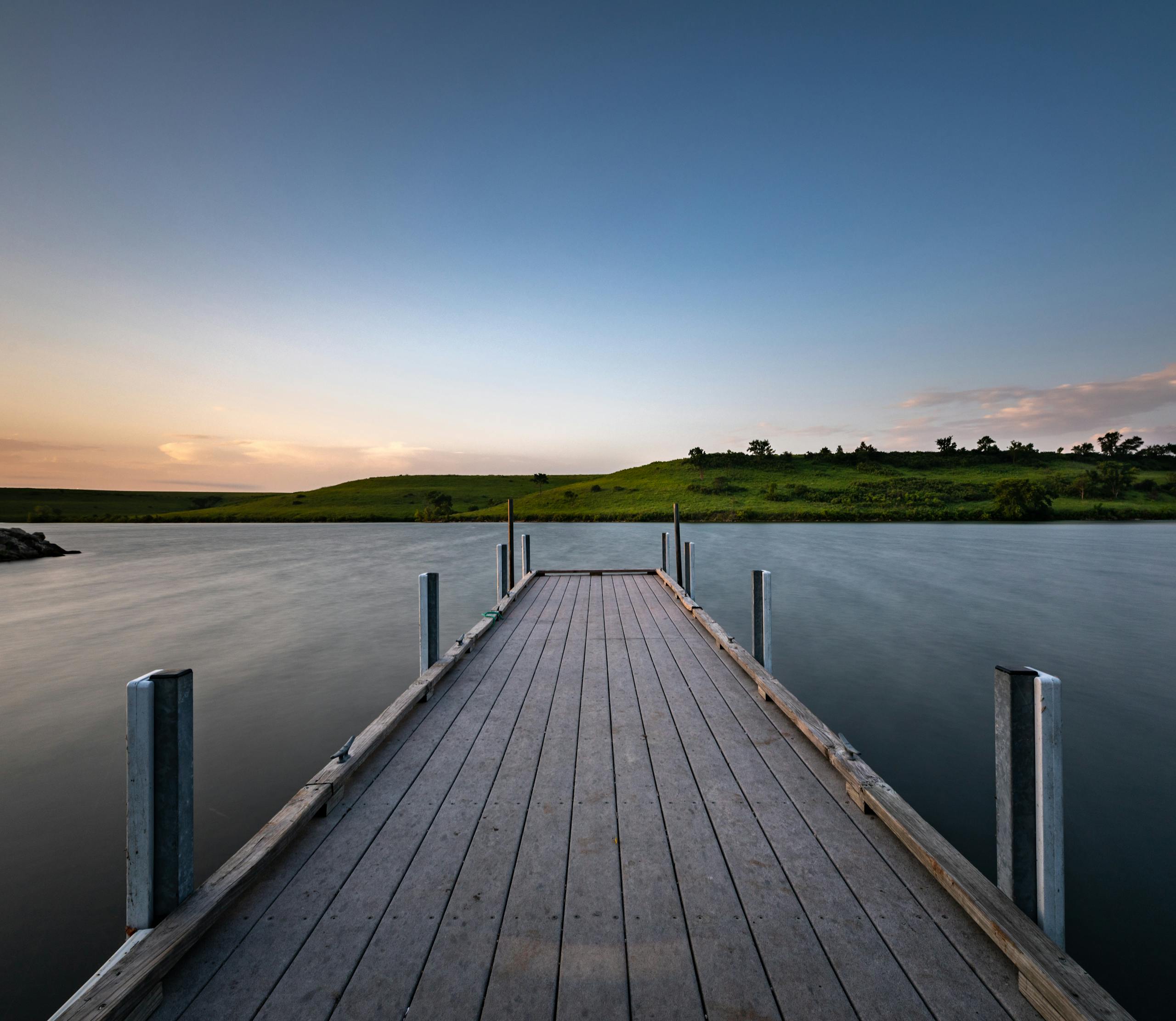
When I finally started paying attention to what made me feel genuinely connected to another person, rather than just socially successful in their presence, I realized that the setting mattered enormously. Quiet settings invite authentic conversation. Authentic conversation is where introverts actually shine. We are not built for small talk over the roar of a crowd. We are built for the kind of slow, layered conversation that happens when two people are sitting on a dock watching the sun move across the water, with nowhere else to be and nothing else demanding their attention.
Stonewall Lake creates that condition almost automatically. The pace slows. The noise drops. And something opens up.
How Does a Natural Setting Actually Change the Way Introverts Connect?
There is a psychological concept worth understanding here. Attention restoration theory, developed by environmental psychologists Rachel and Stephen Kaplan, proposes that natural environments replenish directed attention, the kind of focused mental effort we use to filter social noise, manage impressions, and stay “on” in demanding situations. When that directed attention gets a chance to rest, people become more open, more present, and more genuinely themselves.
For introverts, this matters in a specific way. Social performance is exhausting. Even with someone we genuinely like, the effort of maintaining the right energy, saying the right things, reading the other person’s signals, can drain us faster than we expect. A natural environment like Stonewall Lake essentially gives permission to stop performing. The lake does not care how charming you are. The herons fishing along the shoreline are not evaluating your conversational skills. That relief, subtle as it sounds, creates genuine psychological space for connection.
Understanding when introverts fall in love and the relationship patterns that emerge helps explain why environments matter so much to us. We do not fall for people in the abstract. We fall for people in specific moments of genuine presence, and those moments are far more likely to happen when we are not simultaneously managing overstimulation.
One of my account directors, a deeply thoughtful woman who identified as highly sensitive and introverted, once told me that she had dated someone for eight months before realizing she had never actually felt relaxed around him. Every date had been in loud restaurants or crowded events. She had never experienced what he was like when the world got quiet. She had never experienced what she was like either. They eventually took a weekend trip to a state park in Virginia, and within two days, she knew the relationship was not going to work. The quiet revealed the truth faster than any number of dinner conversations had.
That story has stayed with me, because it illustrates something important: the environment does not just set a mood. It reveals character, including your own.
What Activities at Stonewall Lake Actually Work for Introvert Couples?
Not all activities are created equal when it comes to introvert-friendly connection. Some things that look romantic on paper are actually conversation killers for people who connect through depth rather than shared adrenaline. So it is worth thinking specifically about what Stonewall Lake offers and why certain activities tend to work particularly well.
Fishing
Fishing is one of the most underrated activities for introverted couples. It requires patience, quiet, and comfortable silence, three things introverts are genuinely good at. Stonewall Lake is stocked with bass, catfish, and crappie, and the fishing is accessible from both the shore and rental boats. The rhythm of casting and waiting creates a shared experience that does not demand constant conversation. And when conversation does emerge, it tends to be honest and unhurried, the kind that actually builds intimacy.
Hiking the Surrounding Trails
The park’s trail system winds through Appalachian forest that feels genuinely remote even though amenities are never far away. Walking side by side, rather than face to face, is a communication style that introverts often find easier. There is less performance pressure when you are both looking at the same trail ahead of you. Conversations that feel awkward across a restaurant table often flow naturally when you are moving through trees together.
Cabin Stays
Stonewall Lake Resort offers cabin rentals that give couples their own contained world for a few days. For introverts, having a private base camp changes everything. You can decompress without having to perform for other guests. You can cook a meal together, read in the same room, or sit on a porch watching the tree line without any social obligation. That shared domesticity, low-stakes and unhurried, is often where introverts feel most genuinely close to someone.
Kayaking or Canoeing
The lake’s calm surface makes it ideal for paddle sports. There is something about being on the water that quiets internal noise in a way that land-based activities do not always achieve. Many introverts report feeling a specific kind of mental clarity on the water, and that clarity tends to make them more emotionally available to a partner.
A study published in PubMed Central examining the relationship between nature exposure and psychological well-being found that time in natural environments consistently reduced stress markers and improved mood, effects that compound when shared with a trusted companion. For introverts who tend to carry tension in their nervous systems, that physiological shift matters in a relational context.
What Should Introverts Know About Bringing a New Partner to a Place Like This?
There is a timing consideration worth thinking through honestly. Stonewall Lake is not a first-date destination for most introverts, and that is actually fine. The intimacy of a multi-day nature retreat requires a certain baseline of trust and comfort that takes time to build. Rushing it can create more pressure, not less.
That said, introverts often move through the early stages of attraction in ways that are easy to misread. We process feelings internally before expressing them. We may feel deeply connected to someone long before we have said anything that signals it clearly. Understanding and working through introvert love feelings is genuinely complex, and a trip to somewhere as quiet and revealing as Stonewall Lake can accelerate that emotional timeline in ways that feel both wonderful and slightly terrifying.
My honest advice, drawn from years of watching myself and others get this wrong: communicate the intention of the trip before you go. Not in a heavy, over-serious way, but clearly enough that both people know what kind of experience they are signing up for. An introvert who arrives expecting a quiet retreat and finds their partner restless and bored by day two is going to spend the rest of the trip managing that dynamic instead of actually connecting.

Compatibility around pace and stimulation preferences matters more than most people admit in the early stages of a relationship. Psychology Today’s piece on signs of a romantic introvert points out that introverts tend to show love through presence and depth rather than grand gestures, and a shared quiet environment is one of the clearest ways that preference gets expressed. Bringing someone to Stonewall Lake is, in a sense, an act of trust. You are showing them the version of yourself that only emerges when the noise stops.
What Happens When Two Introverts Take This Trip Together?
There is a particular dynamic worth exploring when both partners are introverted. The assumption most people make is that two introverts together will simply default to comfortable silence, and while that is sometimes true, the reality is more layered than that.
Two introverts at Stonewall Lake can experience something genuinely rare: a shared environment where neither person feels pressure to perform for the other. No one is waiting for the other to be more energetic. No one is feeling guilty for wanting to read instead of talking. The permission is mutual and implicit. That mutual permission can create extraordinary closeness, the sense that you are finally with someone who gets it without needing it explained.
At the same time, when two introverts fall in love, the relationship patterns that emerge include some specific challenges worth knowing about. Two people who both process internally can sometimes create communication gaps without intending to. Both partners may be feeling deeply but neither may be saying much. A place like Stonewall Lake, with its long, unhurried evenings and absence of external distraction, can actually help with this, because there is eventually nothing left to do except talk. And introverts, given enough time and the right environment, are remarkably good at talking.
16Personalities has written thoughtfully about the hidden dynamics of introvert-introvert relationships, noting that the shared comfort with solitude can sometimes mask a gradual drift toward emotional distance if neither partner actively tends to connection. A trip to somewhere like Stonewall Lake, intentionally chosen as a space for reconnection, is one concrete way to counter that drift before it becomes a pattern.
How Does Stonewall Lake Fit Into the Broader Way Introverts Show Love?
Introverts rarely show affection through volume or spectacle. We tend to show it through attention, through remembering the small things, through creating experiences that say “I thought about what you actually need” rather than “I wanted to impress you.” Choosing a destination like Stonewall Lake for a partner is an act of considered care. It says something specific about how you see them and what you believe will make them feel genuinely valued.
This connects directly to how introverts express love more broadly. The way introverts show affection through their love language often involves quality time in low-stimulation environments, acts of service that reflect deep attention to a partner’s preferences, and the kind of presence that communicates “I am fully here with you” rather than half-present while managing other social demands.
Planning a trip to Stonewall Lake for someone you love is all three of those things simultaneously. It is quality time in a setting deliberately chosen for its quiet. It is an act of service because you researched it, thought it through, and made it happen. And it is presence, because there is nowhere else to be and nothing else competing for your attention once you are there.
During my agency years, I managed a creative team that included several deeply introverted designers and writers. I watched them struggle in our open-plan office, visibly depleted by the constant low-level noise and interruption. But I also watched them come alive during our annual team retreat, which we held at a quiet lakeside property in rural Pennsylvania. By day two, those same people who barely spoke in the office were having the most substantive conversations of the year. The environment had given them back to themselves, and in doing so, it had given them to each other as well.

What Should Highly Sensitive People Know Before Visiting Stonewall Lake?
Many introverts also identify as highly sensitive people, and the overlap between those two traits creates some specific considerations for travel and relationship contexts. HSPs process sensory and emotional information more deeply than average, which means that environments affect them more intensely in both directions. A genuinely peaceful setting like Stonewall Lake can feel profoundly restorative. A setting that turns out to be noisier or more crowded than expected can feel genuinely overwhelming.
The practical advice here is to visit during shoulder seasons. Late September through early November offers spectacular Appalachian fall color without the summer crowds. Early spring, once the weather stabilizes, is similarly quiet. Weekdays are almost always calmer than weekends regardless of season. The complete HSP dating guide covers this kind of environmental planning in more depth, including how to communicate your sensory needs to a partner without making it feel like a list of complaints.
Conflict is also worth thinking about in advance. Even the most compatible couples disagree sometimes, and a multi-day retreat removes the usual escape valves like going home to separate spaces or getting absorbed in work. Working through conflict peacefully as an HSP involves specific skills around emotional regulation and communication that are worth developing before you are sitting across from each other in a cabin with nowhere to go. fortunately that Stonewall Lake’s natural setting actually supports those skills. Walking a trail together after a tense conversation is often more effective than trying to talk it through at a table.
A PubMed Central article examining emotional sensitivity and interpersonal relationships notes that highly sensitive individuals often experience both the rewards and the challenges of close relationships more intensely than others. That intensity, channeled in a supportive environment, can produce remarkable depth of connection. Channeled in an overstimulating one, it produces the opposite.
Is Stonewall Lake Worth Visiting Solo, or Only as a Couple?
Worth addressing directly: Stonewall Lake is genuinely excellent for solo introverts as well, and sometimes a solo trip is exactly the right preparation for a healthy relationship.
There is a version of introvert dating advice that focuses entirely on finding the right person and the right setting. But the deeper work, the work that actually makes relationships sustainable, is knowing yourself well enough to show up as a whole person rather than a half-person hoping the relationship will complete you. Solo time in a place like Stonewall Lake does that work efficiently. It gives you access to your own thoughts without the filter of social performance. It reminds you what you actually enjoy, what actually restores you, and what you genuinely want from a partner rather than what you have been told you should want.
I took a solo trip to a West Virginia state park in my early forties, during a period when I was doing a lot of honest reckoning with the gap between how I had been living professionally and who I actually was. It was uncomfortable in the way that all genuinely honest self-reflection is uncomfortable. But it clarified things that years of busy-ness had obscured. I came back knowing more specifically what kind of relationship I wanted and what I had to offer in one. That clarity was worth far more than any dating strategy I had ever tried.
Psychology Today’s guide to dating an introvert emphasizes that introverts often need time alone not as a rejection of connection but as a prerequisite for it. Solo visits to places like Stonewall Lake are not a consolation prize for people who have not found a partner yet. They are part of the same practice of knowing yourself well enough to connect authentically with someone else.
There is also something worth saying about the way solo travel to a beautiful place can shift your relationship with yourself in ways that eventually shift your relationships with others. When you stop waiting to experience something wonderful until you have someone to experience it with, you stop carrying that quiet desperation that tends to make early dating feel so high-stakes. You arrive at connection from a place of fullness rather than need. That is an attractive quality in anyone, and it is one that quiet, intentional solo time tends to develop.

What Practical Details Should You Know Before Planning a Trip to Stonewall Lake?
Stonewall Lake Resort is managed by the West Virginia State Parks system and is located near Roanoke, West Virginia, in Roane County. The resort offers lodge rooms, cabin rentals, and campground sites. The marina provides boat rentals including paddleboats, kayaks, and fishing boats. The beach area is open seasonally and can get crowded on summer weekends, so planning around that is worth the effort.
Cell service in the area is limited, which is either a feature or a bug depending on your perspective. For introverts who struggle to fully disconnect even on vacation, the forced digital quiet of Stonewall Lake is genuinely valuable. You cannot scroll your way through an uncomfortable moment of silence when the signal is gone. You have to actually be there.
The nearest town with significant amenities is Spencer, about fifteen miles away. Bringing supplies rather than relying on nearby shopping is advisable, especially for cabin stays. That advance preparation, stocking the cabin with good food, good books, and the things that make you feel comfortable, is itself an act of intentional care that sets the tone for the entire trip.
Truity’s examination of introverts and online dating makes an interesting point about the mismatch between how introverts present digitally and how they actually show up in person. In-person experiences in natural settings tend to close that gap, because the environment strips away the curated presentation and leaves the actual person. Stonewall Lake is, in that sense, one of the most honest first-impression environments available.
There is also a Healthline piece on common myths about introverts and extroverts that is worth reading before any trip with a partner who has different social wiring than you do. The myth that introverts do not enjoy socializing, or that they are simply shy, can create real misunderstandings in a relationship context. Understanding the actual mechanics of introversion, specifically the energy dynamics around stimulation and social interaction, helps both partners approach a shared experience with more accurate expectations.
If you want to go deeper on the full range of what authentic connection looks like for introverts, the Introvert Dating and Attraction hub covers everything from first impressions to long-term partnership dynamics, all through the lens of what actually works for people wired the way we are.
About the Author
Keith Lacy is an introvert who’s learned to embrace his true self later in life. After 20 years in advertising and marketing leadership, including running agencies and managing Fortune 500 accounts, Keith now channels his experience into helping fellow introverts understand their strengths and build fulfilling careers. As an INTJ, he brings analytical depth and authentic perspective to every article, drawing from both professional expertise and personal growth.
Frequently Asked Questions
Is Stonewall Lake in West Virginia a good destination for introverts?
Yes, Stonewall Lake is genuinely well-suited for introverts. The natural setting, limited cell service, and low-stimulation activities like fishing, hiking, and kayaking create an environment where introverts can recharge while also connecting more authentically with a partner or with themselves. The park’s relative quietness compared to commercial resort destinations makes it a particularly good fit for people who find crowded, noisy environments draining.
What is the best time of year to visit Stonewall Lake for a quiet experience?
Late September through early November offers the best combination of beautiful scenery and reduced crowds, with Appalachian fall foliage at its peak. Early spring, from late March through May, is similarly quiet before summer visitors arrive. Weekdays throughout the year tend to be significantly less crowded than weekends. Highly sensitive people and introverts who are particularly affected by noise and crowds will find the off-peak periods most restorative.
Can introverts enjoy Stonewall Lake as a solo travel destination?
Absolutely. Solo trips to Stonewall Lake can be deeply valuable for introverts, offering access to genuine self-reflection without social performance demands. Many introverts find that time alone in natural settings helps clarify what they actually want from relationships and life, making them more grounded and self-aware partners when they do connect with someone. The park’s cabin rentals and fishing access make solo stays comfortable and engaging without requiring group participation.
What activities at Stonewall Lake work best for introverted couples?
Fishing, hiking, kayaking, and cabin stays tend to work particularly well for introverted couples. These activities share a common quality: they allow for comfortable silence alongside genuine conversation, without the performance pressure of social settings. Walking side by side on a trail, sitting together on a fishing boat, or cooking a simple meal in a private cabin creates shared experience and intimacy without requiring either person to be “on” in the way that restaurant dates or group activities demand.
How does a natural setting like Stonewall Lake affect introvert relationships differently than urban date settings?
Natural settings reduce the cognitive and social load that introverts carry in stimulating urban environments, making it easier to be present, emotionally available, and genuinely themselves. Urban date settings often require introverts to manage noise, crowds, and social performance simultaneously, which leaves less internal bandwidth for actual connection. A place like Stonewall Lake removes those competing demands, allowing the relationship itself to occupy the foreground. Many introverts report that they feel closer to a partner after a few days in a quiet natural setting than after months of conventional urban dating.