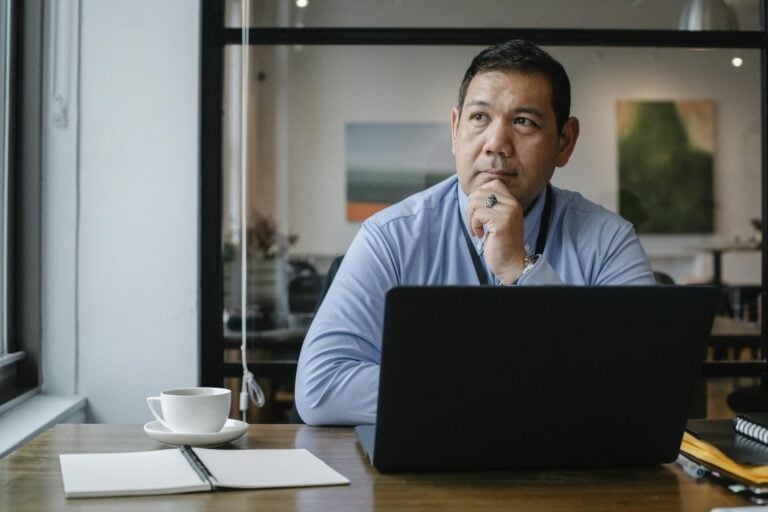

Remote working for radiologists is one of the most genuinely well-suited career arrangements in modern medicine, particularly for those who process information deeply, prefer focused solitude, and do their best thinking away from the noise of a busy hospital floor. Teleradiology allows physicians to interpret medical images, deliver diagnoses, and collaborate with clinical teams entirely from a home office or remote reading room, with minimal interruption and maximum cognitive depth. For introverted radiologists, this setup isn’t a consolation prize. It’s often where they do their finest work.
I’ve spent a lot of time thinking about why certain careers feel like they were quietly designed for people like us. Radiology kept coming up. And when I started exploring teleradiology specifically, I understood why.

Before we get into the specifics of how remote radiology works and what makes it particularly well-suited to introverted professionals, I want to point you toward a broader resource. Our Career Skills and Professional Development Hub covers the full range of how introverts can build meaningful, sustainable careers on their own terms. This article fits squarely into that conversation.
What Does Remote Working for Radiologists Actually Look Like?
Teleradiology has existed in some form since the 1990s, but it matured significantly over the past decade as imaging technology, secure data transfer, and diagnostic software caught up with the concept. Today, a remote radiologist typically receives digital imaging studies, such as CT scans, MRIs, X-rays, and ultrasounds, through a PACS (picture archiving and communication system) and interprets them from a workstation that can be located anywhere with a reliable, secure internet connection.
The workflow is largely asynchronous. A scan is completed at a hospital or imaging center, transferred securely to the radiologist’s reading queue, interpreted, and a report is generated and returned to the referring physician. Communication happens through structured reporting systems, occasional phone consultations for urgent findings, and periodic virtual check-ins with clinical teams. There’s relatively little small talk, very few unplanned interruptions, and a great deal of concentrated, meaningful analytical work.
For someone wired the way many introverts are, this structure is genuinely energizing rather than draining. The depth of focus required to read a complex imaging study isn’t a burden. It’s the thing we’re built for.
If you’re exploring whether medicine is a viable path for your personality type more broadly, the article on medical careers for introverts offers a solid starting point for thinking through which specialties align with introverted strengths.
Why Do Introverted Radiologists Thrive in Remote Settings?
There’s something I noticed during my agency years that I’ve never fully stopped thinking about. The people on my team who produced the sharpest analytical work, the ones who caught the detail no one else saw in a campaign brief or a data set, were almost always the ones who needed the most uninterrupted time to get there. They weren’t slow. They were thorough in a way that required quiet.
Radiology is a discipline built on that exact kind of thoroughness. A radiologist reading a chest CT isn’t skimming. They’re examining hundreds of image slices, cross-referencing clinical history, considering differential diagnoses, and constructing a report that a surgeon or oncologist will rely on to make a treatment decision. That process demands sustained, deep attention. It doesn’t reward the person who’s most comfortable in a loud room.
Psychology Today has written about how introverts think, noting that introverted minds tend to process information through longer internal pathways, drawing on memory, association, and past experience more extensively before arriving at conclusions. In a diagnostic specialty like radiology, that processing style isn’t a quirk to manage. It’s a clinical asset.
Remote work amplifies that asset. Without the ambient noise of a reading room shared with colleagues, without the social overhead of hospital rounds, and without the constant pull of hallway conversations, an introverted radiologist can settle into the kind of focused state where their best diagnostic thinking happens.

There’s also the energy economy to consider. Introverts recharge in solitude. A full day of hospital-based radiology, even for a subspecialist who rarely sees patients directly, still involves handling a social environment: technologists stopping by, clinical teams calling, residents asking questions, administrative meetings. All of that has value, but it also costs something. Remote work dramatically reduces that cost, which means more cognitive resources available for the actual diagnostic work.
What Are the Practical Requirements for Teleradiology?
Setting up a legitimate remote radiology practice isn’t as simple as working from a laptop at a kitchen table. There are specific technical, legal, and credentialing requirements that shape what this career path actually looks like in practice.
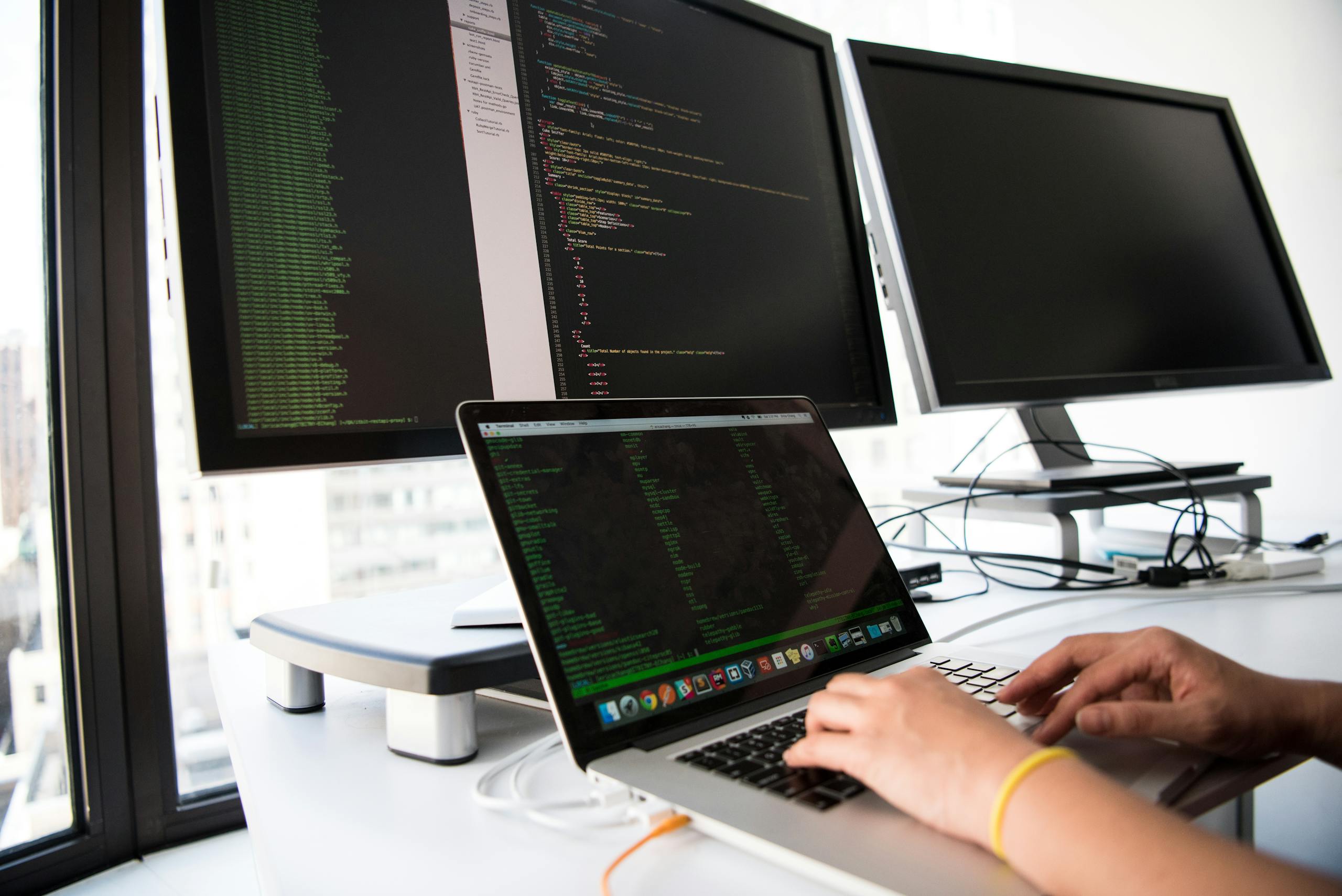
On the technical side, a remote radiologist needs a high-resolution diagnostic workstation (typically with monitors that meet ACR standards for luminance and resolution), a HIPAA-compliant network setup, a VPN or secure cloud connection to the hospital or teleradiology company’s PACS, and reliable high-speed internet with a backup option. The physical workspace needs to be private enough to protect patient information, which means a dedicated home office rather than a shared living space.
Licensure is the more complex piece. Radiologists working remotely must hold medical licenses in every state where the imaging studies they read originate. This is a significant logistical consideration. Many teleradiology companies handle multi-state licensing as part of their employment structure, but independent practitioners need to manage this themselves. The Interstate Medical Licensure Compact has simplified the process for physicians who qualify, but it still requires active management.
Credentialing is separate from licensure. Each hospital or imaging center that sends studies to a remote radiologist must credential that physician through their own medical staff process, even if the radiologist never physically enters the facility. Large teleradiology companies typically manage this on behalf of their radiologists, which is one reason many remote radiologists start with an established company before considering independent practice.
Malpractice coverage also needs to be structured carefully for remote work, particularly if a radiologist is reading studies across multiple states or for multiple facilities. These are solvable problems, but they require attention to detail that introverts, in my experience, tend to handle well. We don’t love administrative complexity, but we’re rarely careless about it.
How Does Remote Radiology Affect Communication and Feedback Dynamics?
One of the questions I hear from introverts considering any remote career is whether the reduced face-to-face contact creates problems around feedback and professional relationships. It’s a fair concern, and in radiology it has some specific dimensions worth thinking through.
The feedback loop in radiology is largely built into the work itself. Radiologists receive correlating clinical outcomes, pathology results that confirm or challenge imaging interpretations, and peer review through quality assurance processes. Much of this feedback arrives in writing, asynchronously, which suits introverted processing styles well. You have time to consider a discrepant finding, look back at the images, and think carefully before responding, rather than being put on the spot in a conference room.
That said, feedback can still sting, even when it arrives quietly. If you identify as a highly sensitive person alongside being introverted, the article on handling criticism sensitively addresses the specific challenge of processing professional feedback without letting it derail your confidence or your work.
I had a creative director at one of my agencies, an INFJ with a deeply sensitive processing style, who would receive client feedback on a campaign and go completely quiet for a day. Not because she was sulking. She was genuinely processing. The problem wasn’t her sensitivity. It was that no one had given her a framework for working with it productively. Remote radiology, with its written feedback channels and built-in processing time, creates a natural structure that many sensitive professionals find easier to work within than high-pressure, real-time hospital environments.
Peer review in teleradiology typically happens through structured quality programs rather than real-time case conferences. This is worth noting because case conferences, where radiologists present and defend interpretations in front of colleagues, are one of the more socially demanding aspects of traditional hospital-based radiology. Remote practitioners often have less exposure to this format, which some introverts will find genuinely relieving.
What Does Productivity Look Like When You’re Working Alone All Day?
Remote work sounds ideal until you’re three weeks in and realizing that the structure you relied on from an office environment has completely evaporated. This is a real challenge in teleradiology, and it’s worth being honest about it.
Teleradiology, particularly for radiologists who work overnight or weekend shifts for hospital coverage, can involve long stretches of solitary work with very little external rhythm. The studies arrive, you read them, you report them. There’s no commute to signal the start of the day, no lunch break with colleagues to reset your attention, and no end-of-day conversation to decompress. For some introverts, this is genuinely fine. For others, the lack of structure creates its own kind of cognitive drift.
The concept of working with your natural rhythms rather than against them becomes especially relevant here. The piece on HSP productivity and sensitivity explores how sensitive, introverted people can build work structures that honor their natural energy patterns rather than fighting them. Many of those principles apply directly to remote radiology: creating intentional transitions, protecting your highest-focus hours for the most complex studies, and building in genuine recovery time.
What I found in my own remote work periods during the agency years was that the absence of external structure wasn’t a problem if I replaced it with internal structure. I’d block my calendar as rigorously as I would have scheduled client meetings. I’d create rituals around starting and ending work. The discipline wasn’t about productivity performance. It was about protecting the conditions that made good thinking possible.
For radiologists specifically, this might look like reserving early morning hours for the most demanding subspecialty reads, scheduling a genuine midday break away from screens, and setting a hard end time for the workday rather than letting studies bleed into evening hours. The flexibility of remote work is only an advantage if you use it intentionally.
What About Procrastination and the Particular Weight of High-Stakes Work?
There’s a specific kind of procrastination that affects conscientious, detail-oriented people in high-stakes professions, and it’s worth naming directly. It’s not laziness. It’s the weight of knowing that the work matters enormously, and the discomfort of that weight sometimes makes starting harder than it should be.
Radiology carries real stakes. A missed finding on a CT scan can mean a delayed cancer diagnosis. An overcalled abnormality can lead to unnecessary surgery. Introverted, sensitive practitioners who feel the weight of that responsibility acutely can sometimes find themselves stalling at the start of a complex study, not because they don’t know what to do, but because they know exactly what it means to get it right.
The article on understanding procrastination as an HSP gets into the emotional architecture behind this pattern in a way that I think many radiologists, introverted or not, would recognize in themselves. The block isn’t about the work. It’s about the meaning attached to the work.
Remote work can either ease or intensify this pattern depending on how you structure your environment. Without colleagues nearby to normalize the difficulty of a challenging case, it’s easy to spiral into private doubt. With the right habits, including systematic reading protocols, regular peer consultation even when it’s optional, and a practice of documenting your reasoning as you go, you can build the kind of internal confidence that makes starting easier.

How Do You Build a Career in Teleradiology as an Introvert?
Career development in any remote medical specialty requires some intentional navigation, particularly around visibility and professional relationships that don’t form naturally when you’re not physically present in an institution.
For introverted radiologists, the instinct is often to let the quality of the work speak for itself. And it does, to a point. Strong diagnostic accuracy, reliable turnaround times, and clear, well-written reports build a professional reputation over time. In teleradiology companies, these metrics are often tracked explicitly, which actually suits introverts well. You don’t have to be the loudest person in the room to be recognized when the data reflects your performance.
That said, career advancement in radiology still involves some degree of professional presence. Subspecialty expertise, academic contributions, and involvement in professional societies like the American College of Radiology all matter for long-term career trajectory. These activities can be pursued largely through writing, asynchronous collaboration, and structured professional meetings, formats that introverts often find more manageable than informal networking.
If you’re thinking about how to present your strengths in a professional context, including during job interviews for teleradiology positions, the piece on showcasing sensitive strengths in job interviews offers practical framing for how to communicate your value without performing an extroverted version of yourself.
One thing I’d add from my own experience: introverts often undersell themselves in interviews not because they lack confidence in their abilities, but because they’re uncomfortable with self-promotion as a social act. In radiology interviews, the work product speaks clearly. Bring examples of complex cases, subspecialty experience, and quality metrics. Let the specifics do the talking. Psychology Today has also explored how introverts can be effective negotiators, a skill that matters when you’re setting contract terms with a teleradiology company or negotiating a hospital employment agreement.
Understanding your own personality profile before entering those conversations is genuinely useful. An employee personality profile assessment can give you clearer language for how you work best, what environments support your performance, and how to articulate that to potential employers in a way that reads as self-aware rather than self-limiting.
What Are the Financial and Lifestyle Considerations of Remote Radiology?
Teleradiology compensation varies considerably depending on whether you’re employed by a large teleradiology company, contracted independently, or working as a hospital employee who reads remotely. Large teleradiology companies often offer competitive base salaries with productivity bonuses tied to study volume. Independent contractors can earn more per study but absorb more overhead costs and administrative complexity.
The lifestyle advantages of remote radiology are real and worth naming. Geographic flexibility means you can live where you want rather than where a specific hospital is located. For introverts who value the ability to design their physical environment, this matters enormously. You can build a reading room that genuinely supports focused work, with the lighting, ergonomics, and acoustic environment that you choose, rather than adapting to whatever the hospital provides.
Overnight and weekend coverage positions, while demanding in terms of hours, often pay premium rates and offer extended stretches of uninterrupted reading time. Many introverted radiologists find that overnight shifts, despite the unconventional hours, suit their processing style well. The volume of urgent interruptions is lower, the institutional social demands are essentially zero, and the work itself is steady and focused.
Financial planning is worth thinking about carefully if you’re moving from employed hospital radiology to independent teleradiology contracting. The shift from a W-2 salary with benefits to 1099 income requires attention to tax planning, retirement contributions, and emergency reserves. The Consumer Financial Protection Bureau offers practical guidance on building an emergency fund, which is a foundational step for anyone considering independent contracting in any field.
How Does Remote Radiology Fit Into a Broader Understanding of Introverted Strengths?
I want to step back for a moment and say something that I think gets lost in career conversations about introverts. We spend a lot of time talking about what we can manage, what we can tolerate, what we can get through. What I’m more interested in is what we’re actually well-suited for, where our wiring is a genuine advantage rather than something to accommodate.
Remote radiology is one of those places. The cognitive demands of diagnostic imaging, the need for sustained attention, the value of methodical pattern recognition, the preference for written communication, and the ability to sit with uncertainty long enough to reason through it carefully, all of these align with how many introverted minds naturally operate.
There’s published work exploring the neurological basis of introverted processing. Research available through PubMed Central suggests that introverted individuals tend to show greater activity in brain regions associated with internal processing and reflection, which may underlie the depth-oriented thinking style that characterizes the personality type. Whether or not you find neurological framing useful, the experiential reality is consistent: introverts often process more thoroughly, notice more detail, and produce more carefully considered output when given the conditions that support their natural style.
Remote radiology provides those conditions. That’s not a minor point. It’s the whole argument for why this career path deserves serious consideration from introverts who are drawn to medicine, to diagnostic reasoning, and to work that carries genuine meaning.
Waldenu’s psychology resources also offer a useful framing of the concrete advantages of introversion, including the tendency toward careful listening and observation, that translate directly into diagnostic medicine.

There’s one more thing I want to say before we get to the FAQ section. The path from “I’m an introvert who’s interested in medicine” to “I’m a remote radiologist with a practice that genuinely fits me” is not a straight line. It takes years of training, deliberate career choices, and some honest self-knowledge about what you need to do your best work. But it’s a path that exists, and it’s worth knowing about. If you want to keep exploring how introversion and career development intersect, the full range of resources in our Career Skills and Professional Development Hub covers everything from salary negotiation to managing workplace relationships to finding your professional identity as an introvert.
About the Author
Keith Lacy is an introvert who’s learned to embrace his true self later in life. After 20 years in advertising and marketing leadership, including running agencies and managing Fortune 500 accounts, Keith now channels his experience into helping fellow introverts understand their strengths and build fulfilling careers. As an INTJ, he brings analytical depth and authentic perspective to every article, drawing from both professional expertise and personal growth.
Frequently Asked Questions
Is remote working for radiologists a legitimate full-time career path?
Yes, teleradiology is a well-established and growing subspecialty within radiology. Many radiologists build entire careers reading studies remotely, either as employees of large teleradiology companies or as independent contractors serving multiple facilities. The field has matured significantly, with established credentialing processes, quality standards, and compensation structures that support full-time remote practice.
What kind of personality traits make a radiologist well-suited for remote work?
Radiologists who thrive in remote settings tend to be self-directed, comfortable with extended periods of solitary focus, and disciplined about creating their own work structure without external accountability. Introverted professionals who recharge through solitude, prefer written communication, and do their best analytical thinking without ambient social noise often find teleradiology a natural fit. Strong attention to detail and comfort with asynchronous workflows are also significant advantages.
How do remote radiologists maintain professional connections and avoid isolation?
Remote radiologists typically maintain professional connections through virtual case conferences, participation in professional societies like the American College of Radiology, peer review programs, and occasional on-site visits to the facilities they serve. Many teleradiology companies also facilitate regular virtual team meetings and continuing medical education. Introverted radiologists often find that intentional, structured professional engagement suits them better than the informal social contact of a busy hospital environment.
What are the biggest challenges of remote radiology for introverts specifically?
The primary challenges include maintaining work-life boundaries when the reading room is at home, managing the weight of high-stakes diagnostic decisions without immediate collegial support, and staying professionally visible enough to advance in a career where you’re not physically present in an institution. Introverts who are also highly sensitive may find the solitude of remote work comfortable but need deliberate strategies for processing difficult cases and managing the emotional weight of consequential diagnostic work.
Do remote radiologists earn less than hospital-based radiologists?
Compensation in teleradiology varies widely. Employed positions with large teleradiology companies often pay competitively with hospital employment, particularly when productivity bonuses are factored in. Independent contractors can earn more per study but take on greater overhead and administrative costs. Overnight and weekend coverage positions typically carry premium rates. Overall, remote radiology is not a financially inferior path, though the structure of compensation differs from traditional hospital employment and requires careful planning, particularly around benefits and retirement contributions.