Boulder, Colorado has become one of the most meditation-rich cities in the United States, offering a remarkable range of studios, retreat centers, and mindfulness communities that feel genuinely welcoming to people who process the world quietly and deeply. For introverts seeking mental clarity, emotional grounding, or simply a place to breathe without the pressure of constant social performance, meditation in Boulder offers something rare: a culture that already values inward attention. Whether you are brand new to sitting practice or you have been meditating for years, the city’s offerings meet you where you are.
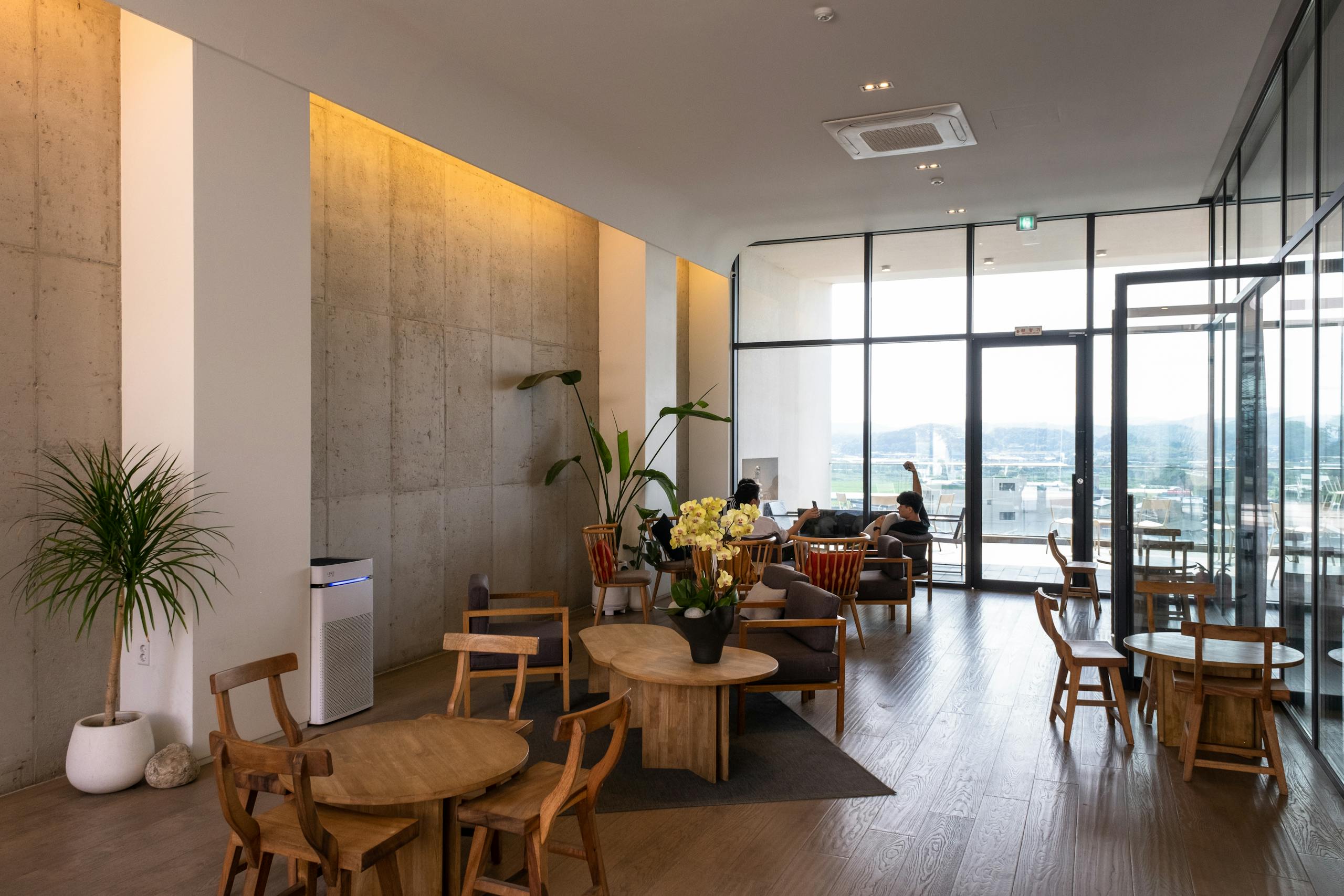
Boulder’s meditation scene is not just about yoga studios with a cushion in the corner. The city has deep roots in Buddhist practice, secular mindfulness, somatic therapy, and contemplative traditions that stretch back decades. That depth matters for introverts because we tend to want substance, not surface. We want to go somewhere that takes the inner life seriously.
If you are exploring meditation as part of a broader commitment to your mental health as an introvert, our Introvert Mental Health Hub covers the full range of emotional and psychological topics that matter most to people wired for depth and internal reflection. Meditation fits naturally into that larger picture.
Why Does Boulder Feel Different for Introverted Meditators?
Plenty of cities have meditation studios. Boulder has something closer to a meditation culture. That distinction is meaningful if you are an introvert who has ever walked into a wellness space and felt like the entire room was performing mindfulness rather than practicing it.
I ran advertising agencies for over twenty years. My world was loud, fast, and relentlessly social. Pitches, client dinners, open-plan offices, team retreats designed by extroverts for extroverts. I learned to function in all of it, but I never confused functioning with thriving. When I first started seriously exploring meditation in my late forties, I was looking for something that matched the way my mind actually worked, not the way everyone assumed a CEO’s mind should work.
What I found in Boulder’s meditation community was a refreshing absence of performance pressure. Nobody expected you to share your experience in a group circle afterward. Nobody pushed you toward a social event following a silent sit. The culture there seems to understand, almost by default, that the interior experience is the point. That is enormously freeing for someone who processes emotion and information through layers of quiet observation rather than immediate verbal expression.
Boulder’s altitude and natural landscape play a role too. There is something about having the Flatirons visible from nearly every part of the city that keeps the scale of things honest. Nature has a way of quieting the noise that social environments generate, and for introverts who already lean toward solitude as restoration, that environmental context reinforces the practice before you even sit down on a cushion.
Many introverts also carry a heightened sensitivity to their surroundings, the kind that can tip into sensory overload and overwhelm when environments become too stimulating. Boulder’s meditation spaces tend to be deliberately calm, low-stimulation, and thoughtfully designed. That is not accidental. It reflects the values of a community that has been building contemplative infrastructure for a long time.
What Are the Best Meditation Studios and Centers in Boulder?
Boulder has more meditation options than most cities its size, which means the question is less about whether you can find something and more about which approach fits your temperament and goals.
Shambhala Mountain Center and the Shambhala Boulder Community
The Shambhala tradition has deep roots in Boulder going back to Chögyam Trungpa Rinpoche, who founded Naropa University and established a significant Tibetan Buddhist presence in the city. The Shambhala Boulder community center offers regular sitting groups, introductory programs, and longer retreat opportunities. For introverts, the Shambhala approach is appealing because it emphasizes precision and gentleness rather than performance or social bonding. You come to sit. The community is warm but not demanding.
Shambhala Mountain Center, located about ninety minutes north of Boulder near Red Feather Lakes, serves as a residential retreat center where many Boulder meditators go for deeper immersion. The landscape alone is worth the drive. For introverts who find that their best inner work happens when they are physically removed from their regular environment, a few days at a mountain retreat center can accomplish more than months of once-a-week studio sessions.
Naropa University’s Contemplative Programs
Naropa University is one of the few accredited universities in the United States built around a contemplative educational model. Even if you are not enrolled as a student, Naropa’s public programs, community meditation sessions, and events offer genuine access to serious contemplative practice. The faculty includes people who have spent decades in retreat and study. The intellectual depth available through Naropa’s community is significant, which matters to introverts who want to understand why a practice works, not just follow instructions.

Spirit Rock Affiliated Teachers and Independent Studios
Boulder has a significant number of teachers trained in the Insight Meditation (Vipassana) tradition, many with connections to Spirit Rock Meditation Center in California. These teachers tend to offer weekly sitting groups, daylong retreats, and individual instruction. The Insight tradition’s emphasis on direct observation of experience, rather than ritual or belief, appeals strongly to introverts who prefer to examine their own experience rather than accept frameworks on faith.
Several independent studios around Pearl Street and the broader downtown area offer secular mindfulness programs drawing on Mindfulness-Based Stress Reduction (MBSR) protocols. MBSR was developed by Jon Kabat-Zinn at the University of Massachusetts, and its evidence base is substantial. The research published through PubMed Central on mindfulness-based interventions consistently points to meaningful reductions in anxiety, rumination, and emotional reactivity, all areas where introverts who tend toward deep processing can particularly benefit.
Yoga Studios with Genuine Meditation Programming
Not every yoga studio in Boulder takes meditation seriously, but several do. CorePower Yoga has Boulder locations, and while it skews toward the athletic side of practice, some instructors there integrate genuine mindfulness instruction. More interesting for dedicated meditators are smaller studios like those in the Mapleton Hill neighborhood that blend somatic awareness, pranayama, and sitting practice in ways that feel less like fitness and more like actual contemplative work.
The distinction matters for introverts because yoga studios that treat meditation as a cool-down activity at the end of a workout offer something very different from spaces where the sitting practice is the primary event. Know what you are looking for before you walk in.
How Does Meditation Specifically Help Introverts Manage Anxiety and Emotional Depth?
Introverts tend to process experience more thoroughly than they process it quickly. That depth is genuinely valuable. It produces insight, creativity, and the kind of considered judgment that serves well in complex situations. In my agency years, some of my best strategic thinking happened in the quiet hours before anyone else arrived at the office, when I could turn a problem over slowly without interruption.
The same depth that produces good thinking can also produce anxiety. When the mind that processes everything thoroughly turns its attention toward uncertainty, threat, or past pain, it does not do so lightly. It examines those things with the same intensity it brings to everything else. The National Institute of Mental Health’s resources on generalized anxiety describe a pattern of excessive worry that many deep-processing introverts will recognize immediately, not because introverts are inherently anxious, but because thorough processing without a release valve can become rumination.
Meditation offers that release valve. Not by shutting the mind down, which is a common misconception, but by changing the relationship between the observer and the observed. When you sit and watch thoughts arise and pass without grabbing onto them, you are practicing a skill that transfers directly to daily life. The anxious thought still arises. You simply stop treating it as a command.
Many introverts also carry what researchers and clinicians describe as high sensitivity, a trait associated with deeper processing of emotional and sensory information. If you recognize yourself in descriptions of HSP anxiety and its coping strategies, meditation is one of the most consistently effective tools available for managing the particular flavor of overwhelm that comes with processing everything so intensely.
Boulder’s meditation community understands this connection intuitively. Many teachers there work with people who are highly sensitive, emotionally complex, or carrying significant internal lives that the outside world never fully sees. That is not a niche population in Boulder. It is a substantial part of the community.
What Meditation Styles Work Best for Introverts Who Feel Deeply?
Not every meditation style suits every temperament, and introverts who also process emotions deeply have particular needs worth understanding before committing to a practice or a teacher.
Vipassana and Insight Meditation
Vipassana, or Insight Meditation, asks you to observe the arising and passing of sensations, thoughts, and emotions without preference or judgment. For introverts who already spend considerable time in self-observation, this feels natural rather than foreign. The practice builds on a capacity you already have, refining it rather than asking you to become something different.
The PubMed Central literature on mindfulness and emotional regulation supports what many long-term Vipassana practitioners report: consistent practice changes how the brain processes emotional stimuli, producing more space between stimulus and response. For someone who has ever felt hijacked by a strong emotion in a professional setting, that space is enormously valuable.
I managed a team of eight creatives at the peak of my agency years. Several of them were deeply feeling people, and I watched them struggle with what I would now recognize as the particular weight of HSP emotional processing, absorbing client criticism, team conflict, and deadline pressure in ways that left them depleted for days. Vipassana practice, had I known to recommend it then, would have given them a way to process that emotional material without being consumed by it.
Loving-Kindness (Metta) Practice
Loving-kindness meditation, or Metta, involves systematically extending goodwill toward yourself, people you care about, neutral people, and eventually difficult people in your life. For introverts who carry a strong empathic orientation, Metta can be both powerful and challenging.
The challenging part deserves acknowledgment. Introverts who are highly empathic sometimes struggle with the double-edged nature of deep empathy, the way it opens you to genuine connection while also exposing you to others’ pain in ways that can become overwhelming. Metta practice, when taught well, helps you extend care without losing your own center. Boulder has several teachers who understand this distinction and can guide you through it skillfully.
Somatic and Body-Based Practices
Some introverts find that purely cognitive or attention-based practices leave them in their heads rather than helping them arrive in their bodies. Somatic approaches to meditation, which emphasize felt sense, breath, and physical grounding, can be more accessible entry points for people who tend to intellectualize their inner experience.
Boulder has a strong somatic therapy and movement community, and several studios integrate somatic awareness into their meditation instruction. The Hakomi method, Somatic Experiencing, and body-centered mindfulness approaches all have practitioners in the Boulder area. If you have tried sitting meditation and found it frustrating because your mind simply accelerated rather than settled, a somatic approach might offer a different door into the same room.
Transcendental Meditation and Mantra Practice
Transcendental Meditation (TM) involves the silent repetition of a personally assigned mantra for twenty minutes twice daily. TM has a significant following in Boulder, and its research base, while sometimes contested in terms of methodology, is substantial enough that many physicians and therapists recommend it. The structured simplicity of TM appeals to some introverts precisely because it removes the ambiguity of open-awareness practices. You have a clear instruction. You follow it. The mind settles.
The clinical literature on stress and meditation interventions suggests that regular practice of any consistent meditation technique produces measurable physiological and psychological benefits, which means the best practice is often simply the one you will actually maintain.
How Do You Find a Meditation Community Without the Social Pressure?
This is the practical question most introverts are actually asking, even if they frame it differently. Finding a meditation community is not the same as finding a social group, and yet many meditation centers inadvertently create social pressure that can make the whole experience feel counterproductive for people who came specifically to step back from social demands.
My early experiences with meditation groups were mixed for exactly this reason. Some centers felt like spiritual networking events. There was an implicit expectation that you would introduce yourself, share something personal, and become part of an ongoing social web. As an INTJ, I found that exhausting rather than supportive. I wanted to sit, learn, and go home. I did not want to process my meditation experience out loud with strangers over herbal tea.
Boulder’s more established centers tend to be better about this than newer studios. The Shambhala community, for instance, has a culture of respecting silence and not requiring social participation. Drop-in sitting groups at many Insight Meditation affiliated spaces operate on a simple model: arrive, sit, leave if you want. Conversation is available but never mandatory.
A few practical suggestions for finding your fit in Boulder’s meditation landscape without social overwhelm:
- Look for centers that offer drop-in sessions rather than cohort-based programs. Drop-in formats respect your autonomy and do not create social obligations.
- Email or call ahead to ask specifically whether participation in group sharing is optional. A center’s answer to that question tells you a great deal about its culture.
- Start with a one-day retreat rather than a weekly group. A single day gives you a contained experience without the ongoing social commitments that weekly groups can accumulate.
- Boulder’s outdoor spaces, particularly Chautauqua Park and the Boulder Creek Path, support informal solo practice in natural settings. Sometimes the most honest meditation community is no community at all, just you and the mountains.
What Should Introverts Know About Boulder’s Retreat Options?
Retreat practice is where meditation often deepens most significantly, and Boulder’s location in the Colorado Front Range puts it within reach of some genuinely excellent retreat infrastructure.
Shambhala Mountain Center, already mentioned, offers programs ranging from weekend introductions to month-long intensive retreats. The land itself is extraordinary, high desert transitioning to mountain forest, with the kind of silence that is genuinely rare in modern life. For introverts who have spent years functioning in loud environments, that silence is not empty. It is full of something worth paying attention to.
Eldorado Canyon and the surrounding mountains also support more informal solo retreat, particularly for experienced practitioners who want extended time in nature without the structure of a formal program. Several Buddhist teachers in Boulder offer guidance for self-retreat, helping you design a personal practice period rather than following a group curriculum.
One thing worth knowing about retreat practice specifically for introverts who carry perfectionist tendencies: retreat does not always feel good in the moment. Extended sitting surfaces uncomfortable material. The mind that has been moving fast suddenly slows down and everything you have been too busy to feel starts arriving. This is not failure. It is the practice working. That said, perfectionism can make retreat feel like a test you are failing rather than a process you are moving through. Finding a teacher who can normalize the difficulty is worth the effort.
I experienced this directly during a five-day silent retreat I attended several years after leaving agency life. By day three, I was convinced I was doing it wrong. My mind was noisier than ever. A teacher pulled me aside during a walking period and said, simply, “You’re not trying to stop the river. You’re learning to sit by it.” That reframe changed everything. The noise was not the problem. My relationship to the noise was.
How Does Meditation Support Introverts Through Rejection and Difficult Emotions?
Introverts who process deeply often carry emotional experiences longer than others do. A critical comment from a client, a relationship that ended badly, a professional setback that landed harder than it should have, these things do not simply pass through. They get examined, re-examined, and examined again.
This is not a flaw. The depth of processing that makes difficult experiences linger is the same depth that produces genuine insight, empathy, and creative thinking. Still, it can be genuinely painful, and processing rejection and finding healing is something many introverts struggle with in ways that feel disproportionate to the original event.
Meditation helps in a specific way here. It does not speed up processing or make the pain smaller. What it does is change the texture of the experience. When you have a sitting practice, you develop a relationship with difficult emotions that is different from being inside them. You learn to hold pain with some degree of spaciousness, to observe it without being fully identified with it. That shift does not eliminate grief or hurt, but it makes those experiences workable rather than paralyzing.
The American Psychological Association’s framework on resilience emphasizes that resilience is not about avoiding difficult emotions but about developing the capacity to move through them without being permanently derailed. Meditation builds exactly that capacity, not through suppression but through a kind of practiced equanimity that grows over time.
In my agency years, I watched talented people leave the industry not because they lacked skill but because they had no way to process the emotional weight of the work. Advertising is a field built on rejection. Pitches fail. Campaigns get killed. Clients leave. The people who lasted longest were not the ones who felt less. They were the ones who had developed some way of metabolizing what they felt without letting it accumulate into something unmanageable. Meditation is one of the most reliable ways to build that metabolic capacity.
What Practical Advice Helps Introverts Start Meditating in Boulder?
If you are new to meditation and considering Boulder’s offerings, a few practical observations are worth having before you begin.
Start smaller than you think you should. Boulder’s meditation culture can be intimidating precisely because it is so deep. You will encounter people who have been sitting for thirty years, who have done multiple three-month retreats, who speak fluently in the language of dharma. None of that is relevant to your first week of practice. Five minutes of genuine attention is worth more than forty-five minutes of performance.
Find a teacher rather than just a studio. Boulder has enough experienced teachers that you can afford to be selective. A good teacher for an introvert is someone who respects your pace, does not push you toward more social engagement than you want, and can work with the particular texture of a deeply processing mind rather than applying generic instructions.
Use the natural environment. Boulder’s outdoor spaces are meditation infrastructure that most cities do not have. The Boulder Creek Path, Chautauqua, Sanitas Valley, the Mesa Trail, all of these offer the kind of sensory environment that supports contemplative attention. Walking meditation in natural settings is a legitimate and often undervalued practice, particularly for introverts who find that movement helps settle the mind more effectively than stillness.
Be honest about what you need. Some introverts need community and accountability to sustain a practice. Others do better alone. The Psychology Today writing on introvert social preferences captures something important about how we make and maintain commitments differently than extroverts do. Knowing whether you are a person who needs a weekly group to show up, or a person who will show up more reliably when left to your own schedule, is genuinely useful information for designing a sustainable practice.
Finally, give it time. Meditation does not produce immediate dramatic results for most people. What it produces, over weeks and months of consistent practice, is a gradual shift in how you relate to your own mind. That shift is quiet and cumulative. It is exactly the kind of change that suits an introvert’s temperament, slow, deep, and real.

The broader landscape of introvert mental health encompasses far more than meditation alone. If you want to explore the full range of emotional wellbeing strategies designed with introverts in mind, the Introvert Mental Health Hub is a thorough resource worth spending time with.
About the Author
Keith Lacy is an introvert who’s learned to embrace his true self later in life. After 20 years in advertising and marketing leadership, including running agencies and managing Fortune 500 accounts, Keith now channels his experience into helping fellow introverts understand their strengths and build fulfilling careers. As an INTJ, he brings analytical depth and authentic perspective to every article, drawing from both professional expertise and personal growth.
Frequently Asked Questions
Is Boulder a good place for introverts to meditate?
Boulder is genuinely one of the better cities in the United States for introverts interested in meditation. Its contemplative culture runs deep, shaped by decades of Buddhist practice, Naropa University’s influence, and a community that tends to value inward attention over social performance. Many of Boulder’s meditation centers and sitting groups operate in ways that respect silence and do not require social participation, which makes the environment considerably less pressured than many urban wellness spaces.
What meditation centers in Boulder are best for beginners?
For beginners, the Shambhala Boulder community center offers structured introductory programs with experienced teachers and a culture that welcomes newcomers without overwhelming them. Insight Meditation affiliated teachers in Boulder often run drop-in sitting groups that are accessible without prior experience. Naropa University’s public programs are also worth exploring for people who want intellectual depth alongside practical instruction. Starting with a single drop-in session at any of these before committing to a program is a reasonable approach.
How does meditation help introverts with anxiety?
Introverts who process experience deeply can be prone to rumination, where thorough thinking about a problem becomes circular rather than productive. Meditation, particularly Vipassana and mindfulness-based approaches, trains the mind to observe thoughts without automatically following them into extended analysis. Over time, this creates more space between a triggering thought and the anxious response it might otherwise produce. The practice does not eliminate anxiety but changes the relationship to it, making it workable rather than consuming.
Are there outdoor meditation options in Boulder?
Boulder’s natural environment is one of its greatest assets for contemplative practice. Chautauqua Park, the Boulder Creek Path, Sanitas Valley, and the Mesa Trail all offer settings conducive to walking meditation, informal sitting practice, and simple mindful presence in nature. Several Boulder teachers actively encourage outdoor practice and can offer guidance on how to bring formal meditation techniques into natural settings. For introverts who find that movement helps settle the mind, walking meditation in Boulder’s open spaces can be more effective than indoor sitting.
What should introverts look for in a Boulder meditation teacher?
A good meditation teacher for an introvert respects your pace, does not push toward social engagement beyond what you want, and can work with the particular qualities of a deeply processing mind rather than applying one-size-fits-all instruction. In Boulder, where the meditation community is large enough to be selective, it is worth attending a few different teachers’ sessions before committing to ongoing study with one person. Pay attention to whether the teacher normalizes difficulty, respects silence, and treats your internal experience as valid rather than something to be fixed or accelerated.