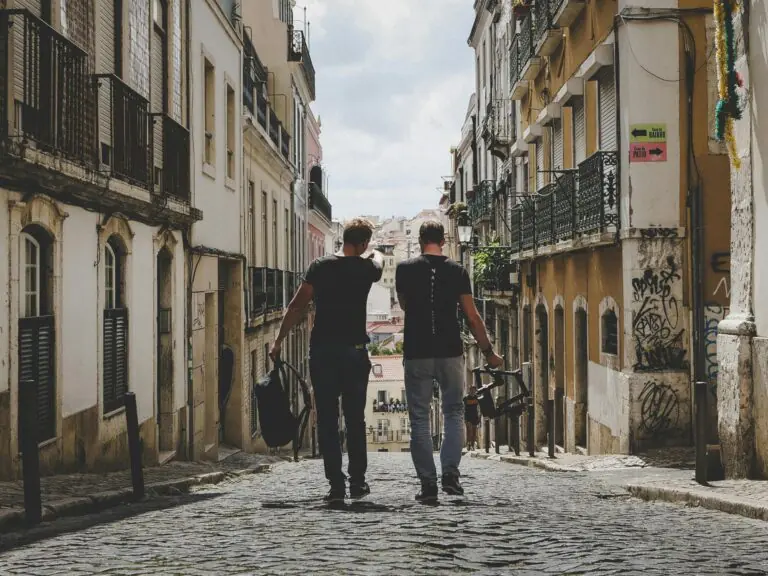

Comfort Zone of North Florida Inc. is a nonprofit organization based in the Gainesville area that offers therapeutic and recreational programming for grieving children, teens, and young adults. For introverts who carry grief quietly and recharge through stillness and nature, the philosophy behind this organization reflects something deeply familiar: healing happens in spaces where you’re allowed to simply be yourself.
What draws me to organizations like this one isn’t just the mission. It’s the recognition that some people, especially those of us wired for internal processing, need a different kind of environment to find our footing again after loss or burnout. Not a loud room full of group exercises, but something quieter, more grounded, more honest.
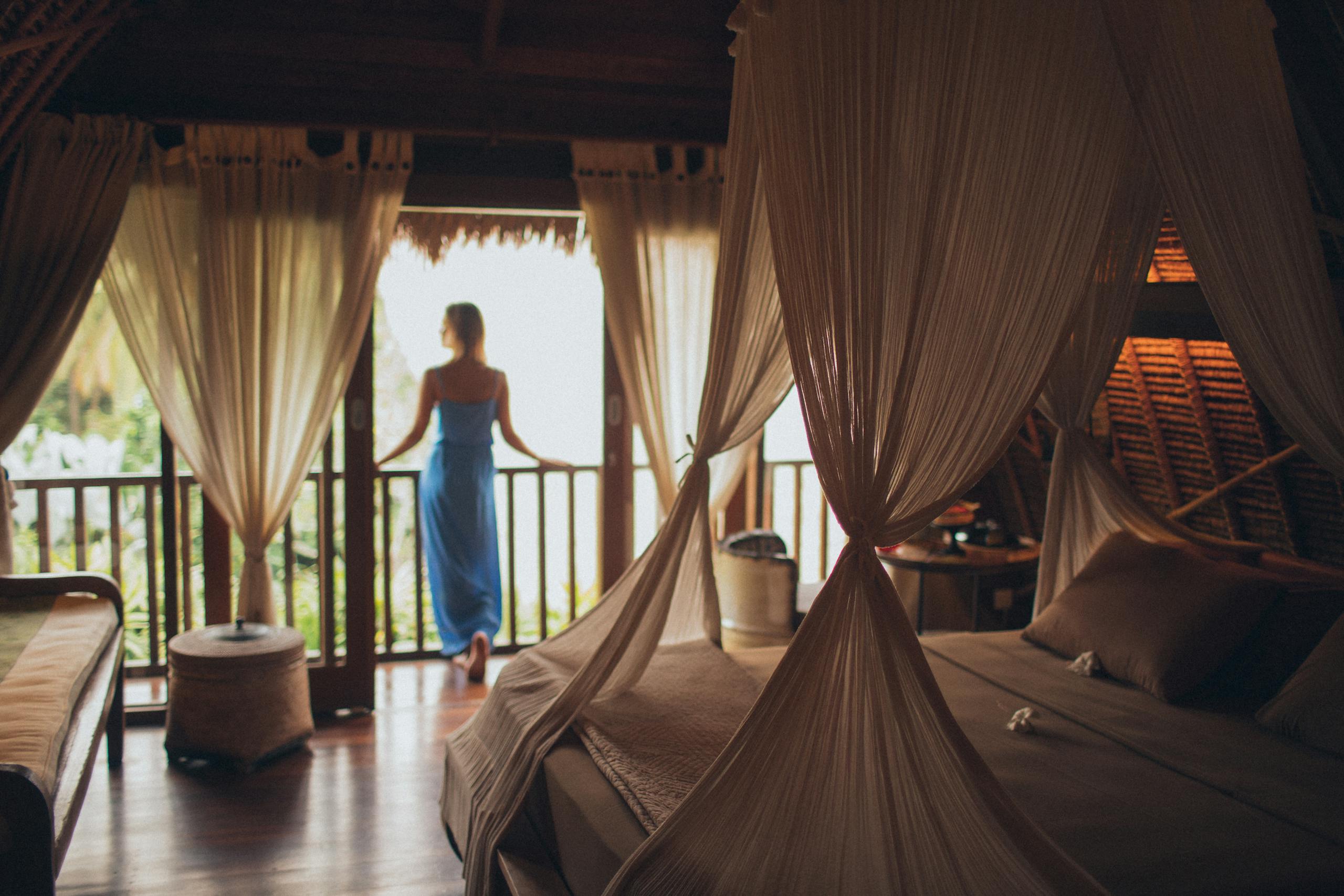
If you’ve spent any time exploring what it means to truly recharge as an introvert, you know that recovery isn’t one-size-fits-all. Our Solitude, Self-Care & Recharging hub covers the full spectrum of what restoration looks like for people wired the way we are, from sensory sensitivity to the specific kind of alone time that actually refills the tank. This article fits squarely into that conversation.
What Is Comfort Zone of North Florida, and Why Does It Matter to Introverts?
Comfort Zone of North Florida operates as a camp-based grief support program, drawing from the national Comfort Zone Camp model. It creates safe, structured spaces where young people who have experienced the death of a parent, sibling, or other significant person can process that loss alongside peers who understand.
What strikes me about this model is how much it aligns with what introverts need in any kind of healing context. The programming isn’t about performing emotions in front of a crowd. It’s about creating conditions where genuine feeling can surface at its own pace. Small groups. Nature settings. Activities that allow for both connection and quiet withdrawal. That’s not accidental design. That’s what actually works for people who process internally.
I spent more than two decades running advertising agencies, and I watched grief show up in professional settings in ways nobody ever acknowledged. A creative director loses a parent and comes back to work three days later because the client deadline doesn’t move. A junior copywriter loses a sibling and sits in brainstorms looking hollowed out while everyone pretends not to notice. There was no space for that kind of processing in the agency world I inhabited. You pushed through, performed competence, and dealt with the rest on your own time.
Organizations like Comfort Zone of North Florida are doing something the corporate world almost never does: they’re building environments where emotional reality is the whole point, not an inconvenience to be managed around.
Why Introverts Grieve Differently, and Need Different Recovery Spaces
Grief is one of the most internal experiences a person can have. Even in the midst of shared loss, what happens inside each individual is entirely private. For introverts, that inward quality of grief can feel both natural and isolating at the same time.
We tend to process emotion through reflection rather than expression. We need time alone to understand what we feel before we can articulate it. We’re often more comfortable with written communication than spoken. We find large group settings during emotional moments genuinely overwhelming, not just uncomfortable. And we tend to carry things for a long time before we show any outward sign of struggle.
That last one is something I know personally. When I lost someone close to me during a particularly brutal stretch of agency life, I kept running the business. Kept showing up to client presentations. Kept managing a team of thirty people who needed direction. On the outside, I was functional. On the inside, I was running on something that wasn’t quite fuel. It took months before I even admitted to myself how much I was carrying.

The cost of that delayed processing is real. When introverts don’t get adequate space to decompress and restore, the effects compound. I’ve written before about what happens when introverts don’t get alone time, and grief without solitude is one of the most acute versions of that depletion. You’re not just tired. You’re operating with a kind of internal static that affects everything.
Camp-based grief programs that build in nature time, quiet reflection, and peer connection in small doses are essentially designing for introvert recovery without necessarily labeling it that way. The structure does the work that introverts need but rarely ask for.
How Nature-Based Healing Connects to Introvert Restoration
North Florida is a particular kind of place. The landscape has a quality that’s hard to describe to people who haven’t spent time there. Longleaf pine forests. Spring-fed rivers so clear they look invented. Flatwoods that go quiet in a way that feels almost pressurized. It’s a region that rewards slow attention, and that makes it genuinely well-suited to the kind of healing that requires stillness.
There’s a growing body of understanding around why natural environments support emotional recovery, and it maps closely onto what introverts already know intuitively about being outdoors. Nature doesn’t demand anything from you. It doesn’t require performance, conversation, or social maintenance. You can sit beside a spring run for an hour and feel genuinely restored without having spoken a word to anyone.
For highly sensitive people, which overlaps significantly with introversion, that restorative quality of natural settings is especially pronounced. If you’ve explored the connection between HSP nature connection and the healing power of the outdoors, you’ll recognize the pattern: sensory-rich but socially neutral environments are where sensitive nervous systems do their best recovery work.
Comfort Zone of North Florida’s camp setting isn’t just logistically convenient. The location itself is part of the therapeutic design. Putting grieving young people in a natural Florida environment, away from the noise and obligation of ordinary life, creates the conditions for something genuine to happen. That’s not a small thing.
A Frontiers in Psychology analysis examining the psychological effects of nature exposure found meaningful connections between time in natural settings and reduced emotional distress. For introverts already managing the particular weight of grief, that kind of environment isn’t a luxury. It’s infrastructure.
What Solitude Actually Does During Grief Recovery
There’s a persistent cultural narrative that grief should be shared. That community is the antidote to loss. That isolation is dangerous and connection is the cure. And while connection genuinely matters, the framing often misses something important: solitude and isolation are not the same thing.
Isolation is involuntary and depleting. Solitude is chosen and restorative. For introverts, the distinction is everything. We don’t retreat from people because we don’t care about them. We retreat because internal processing requires quiet, and quiet requires space.
Harvard’s health resources make a useful distinction between loneliness and isolation, noting that the subjective experience of connection matters far more than the objective amount of social contact. An introvert who chooses an hour alone in the woods after a group grief session isn’t isolating. They’re integrating. That’s a meaningful difference that grief support programs are increasingly recognizing.

The need for solitude as a genuine psychological requirement, not a preference or a quirk, is something I’ve come to understand more clearly over the years. HSP solitude and the essential need for alone time captures this well: for people with sensitive nervous systems, time alone isn’t optional self-indulgence. It’s how the system resets.
During my years running agencies, I built in what I privately called “decompression windows.” Fifteen minutes before a major client call where I’d sit in my office with the door closed. A long drive home after a particularly difficult day. Sunday mornings before anyone else was awake. These weren’t laziness. They were the maintenance that kept me functional. I just didn’t have the language for it at the time.
Grief, layered on top of ordinary introvert depletion, requires more of those windows. Organizations that build them into their programming, even implicitly, are giving participants something that most structured support environments don’t offer.
The Overlap Between Grief Support and Introvert Self-Care
What I find genuinely interesting about the Comfort Zone model is how much it resembles good introvert self-care practice, even though that’s not the explicit framing.
Structured small-group connection. Time in nature. Activities that allow for both participation and observation. Permission to feel without performing. Removal from the usual demands and stimulation of daily life. These are the same elements that show up in any thoughtful conversation about what introverts need to restore themselves.
For highly sensitive people specifically, the overlap is even more direct. HSP self-care and essential daily practices consistently emphasize sensory regulation, emotional boundaries, and deliberate recovery time. A well-designed grief camp hits most of those markers without being explicitly HSP-focused.
Sleep is another piece of this that rarely gets enough attention in grief contexts. Loss disrupts sleep in ways that compound emotional depletion significantly. For introverts and highly sensitive people who already need more recovery time than average, disrupted sleep during grief can accelerate burnout in ways that are hard to recover from without intentional intervention. The connection between HSP sleep and rest recovery strategies is particularly relevant here: the nervous system needs consistent, quality rest to process emotional weight, and grief takes that away at exactly the moment you need it most.
Camp environments, with their structured schedules and outdoor physical activity, often improve sleep quality almost incidentally. That’s not a minor side effect. For grieving young people whose nervous systems are working overtime, better sleep is part of the healing architecture.
Why Introverts Often Resist Seeking This Kind of Support
Here’s something I’ve noticed about introverts in general and INTJs specifically: we’re often the last people to ask for help, and the first to rationalize why we don’t need it.
I spent the better part of my agency career believing that self-sufficiency was a virtue and that needing support was a weakness. That belief served certain professional purposes and cost me significantly in personal ones. The INTJ tendency to internalize, systematize, and solve problems independently is genuinely useful in a lot of contexts. Applied to grief, it tends to produce a very organized, very lonely kind of suffering.
For introverted young people who’ve experienced loss, the resistance to group support programs can be real and understandable. The idea of sitting in a circle and sharing feelings with strangers sounds like a particular kind of nightmare. What organizations like Comfort Zone of North Florida understand is that you don’t have to force the sharing. You create the conditions, you reduce the pressure, and you let people come to it at their own pace.

That approach respects introvert processing styles in a way that traditional grief support often doesn’t. The question isn’t whether you’re willing to talk about your feelings. The question is whether the environment feels safe enough for something genuine to happen. For introverts, safety usually comes from predictability, low stimulation, and the absence of social pressure. Get those conditions right and the processing tends to follow on its own.
There’s also something worth noting about what happens when introverts find their version of solitude within a shared experience. My dog Mac taught me more about this than any professional development seminar ever did. The piece I wrote about Mac’s alone time captures something real: even in the presence of others, there’s a quality of internal retreat that introverts find naturally. A grief camp that makes room for that, that doesn’t require constant engagement, is giving introverted participants something they may not even know they were looking for.
What the Research Suggests About Solitude and Emotional Processing
Beyond the personal and anecdotal, there’s meaningful support for the idea that solitude plays a genuine role in emotional recovery and creative processing. A Greater Good Science Center piece from Berkeley explores how solitude supports not just creativity but the kind of deep self-reflection that allows people to make sense of difficult experiences. That meaning-making function is central to grief work.
The CDC’s work on social connectedness and risk factors is worth noting here too, because it helps clarify what we’re actually talking about when we discuss the balance between solitude and connection. The research points to subjective social connection, feeling meaningfully connected, as the protective factor, not the raw quantity of social contact. An introvert who has one deep conversation at a grief camp and then spends an hour alone by a lake may be better supported than someone who participates in every group activity but feels unseen throughout.
There’s also emerging understanding around how the brain processes emotional experience during periods of quiet. A PubMed Central study examining rest and emotional consolidation suggests that unstructured mental time, the kind you get during solitary walks or quiet sitting, plays an active role in integrating emotional experience rather than simply pausing it. For introverts who already do much of their emotional work internally, this validates what we’ve always known intuitively: the quiet isn’t empty. Something real is happening in there.
How to Support an Introverted Grieving Person in Your Life
If you’re reading this as someone who loves or supports an introverted person who is grieving, a few things are worth understanding.
Presence without pressure is the most valuable thing you can offer. Introverts don’t need you to draw them out or make sure they’re talking about their feelings. They need to know you’re available when they’re ready, and that your availability doesn’t come with an expiration date or a performance requirement.
Practical support often lands better than emotional encouragement. Bringing food, handling a logistical problem, or simply sitting quietly nearby communicates care without demanding a response. For introverts who are already at capacity emotionally, the expectation of reciprocal emotional engagement can feel like one more thing to manage.
Respect the withdrawal. When an introvert goes quiet after a loss, that’s usually processing, not avoidance. The instinct to pull them back into social engagement, even with the best intentions, can actually interrupt the internal work they need to do. Give them room. Check in gently. Trust that they know what they need even when they can’t articulate it.
And if you’re the introverted grieving person yourself, consider what a Psychology Today piece on embracing solitude for health makes clear: choosing solitude during difficult periods isn’t pathological. It can be one of the most self-aware things you do. The challenge is making sure the solitude is restorative rather than avoidant, and that distinction usually comes down to whether you’re moving toward something or simply away from everything.

What Introverts Can Take From the Comfort Zone Model
Even if you’re not a grieving young person in North Florida, the design principles behind Comfort Zone’s programming offer something worth borrowing.
Create your own version of the structured retreat. Not a vacation where you’re expected to be social and active, but a deliberate period of reduced stimulation, natural environment, and permission to feel whatever you’re actually feeling. This doesn’t require a formal program. It requires intention.
Build in peer connection that doesn’t require performance. One of the things that makes camp-based programs work is that participants are with people who genuinely understand their experience. For introverts in ordinary life, finding even one or two people who get it, who don’t need you to explain why you need quiet, who don’t interpret your withdrawal as rejection, is enormously protective.
Use nature as infrastructure, not just backdrop. The North Florida landscape isn’t incidental to what Comfort Zone does there. It’s doing active work. Whatever your version of restorative natural environment looks like, make it a regular part of your recovery practice rather than an occasional treat.
And give yourself the same grace you’d give a grieving child at a camp designed specifically for their needs. You’re allowed to need a comfort zone. You’re allowed to design your life around what actually restores you, rather than what you think you should be able to handle.
That shift in perspective, from managing my introversion to actually building around it, took me most of my professional life to make. The advertising world rewarded endurance and performance. It didn’t reward self-knowledge. Looking back, the most effective version of me was always the one who’d had enough quiet. The problem was I spent years treating that quiet as something to apologize for rather than something to protect.
There’s also a broader conversation worth having about how introverts can use solo experiences, including solo travel and independent retreat, as part of a sustainable self-care practice. A Psychology Today exploration of solo travel notes that for many people, traveling or retreating alone isn’t a last resort. It’s a preferred approach that aligns with how they actually restore themselves. That reframing matters. What looks like isolation from the outside can be deeply intentional self-care from the inside.
A PubMed Central review on emotional regulation and recovery adds further context here, pointing to the role of intentional self-directed activity in emotional resilience. For introverts, that intentionality is often the difference between solitude that heals and withdrawal that compounds the problem.
Comfort Zone of North Florida is doing something genuinely valuable. And whether you connect with it as a resource for a young person in your life, as a model for your own recovery design, or simply as evidence that quiet spaces for internal processing have real and legitimate value, the underlying message is one introverts have always needed to hear: you don’t have to be loud to heal. You just have to be honest about what you need.
There’s much more to explore on this topic across our full Solitude, Self-Care & Recharging hub, where we go deeper into everything from daily practices to the science of introvert restoration.
About the Author
Keith Lacy is an introvert who’s learned to embrace his true self later in life. After 20 years in advertising and marketing leadership, including running agencies and managing Fortune 500 accounts, Keith now channels his experience into helping fellow introverts understand their strengths and build fulfilling careers. As an INTJ, he brings analytical depth and authentic perspective to every article, drawing from both professional expertise and personal growth.
Frequently Asked Questions
What is Comfort Zone of North Florida Inc.?
Comfort Zone of North Florida Inc. is a nonprofit organization in the Gainesville, Florida area that provides camp-based grief support programming for children, teens, and young adults who have experienced significant loss. Drawing from the national Comfort Zone Camp model, it creates structured, nature-based environments where participants can process grief alongside peers who share similar experiences, with an emphasis on emotional safety, small-group connection, and time in natural settings.
Why do introverts often struggle more visibly with grief in social settings?
Introverts tend to process emotion internally rather than through outward expression, which means their grief is often invisible to others even when it’s deeply felt. In social settings that expect visible emotional engagement, sharing feelings in groups, accepting comfort publicly, or performing recovery, introverts can feel pressured to manage both their grief and the social expectations around it simultaneously. That double burden is genuinely exhausting and can delay genuine processing. Environments that reduce social pressure and allow for quiet reflection tend to be far more effective for introverted grievers.
How does solitude support grief recovery for introverts?
Solitude gives introverts the internal space they need to integrate emotional experience without the interference of social demands. During grief, the nervous system is processing an enormous amount of information, emotional, cognitive, and physical, and quiet time allows that processing to happen at its own pace. Chosen solitude in a natural setting is particularly effective because it reduces sensory and social stimulation while providing a grounded, calming environment. The distinction between chosen solitude and involuntary isolation is important: solitude is restorative, while isolation tends to compound emotional distress.
Is North Florida a good environment for introvert recovery and recharging?
North Florida offers a natural landscape that is genuinely well-suited to introvert restoration. The region’s longleaf pine forests, spring-fed rivers, and flatwood environments provide sensory richness without social demand. Natural settings consistently support emotional recovery by reducing stress responses and creating conditions for internal reflection. For introverts and highly sensitive people, environments that are visually and acoustically calm but still alive with natural detail tend to be especially restorative. North Florida’s particular geography makes it a strong setting for the kind of camp-based programming that Comfort Zone of North Florida provides.
How can introverts apply the Comfort Zone model to their own self-care practice?
The core design principles behind Comfort Zone’s approach, structured time in nature, low-pressure peer connection, permission to process at your own pace, and removal from ordinary stimulation demands, can be applied individually without a formal program. Introverts can create their own version by scheduling deliberate retreat periods in natural settings, identifying one or two trusted people who respect their processing style, building consistent solitude into their recovery routine, and treating quiet time as active restoration rather than passive avoidance. The shift from managing introversion to designing around it is often what makes the difference between chronic depletion and genuine resilience.