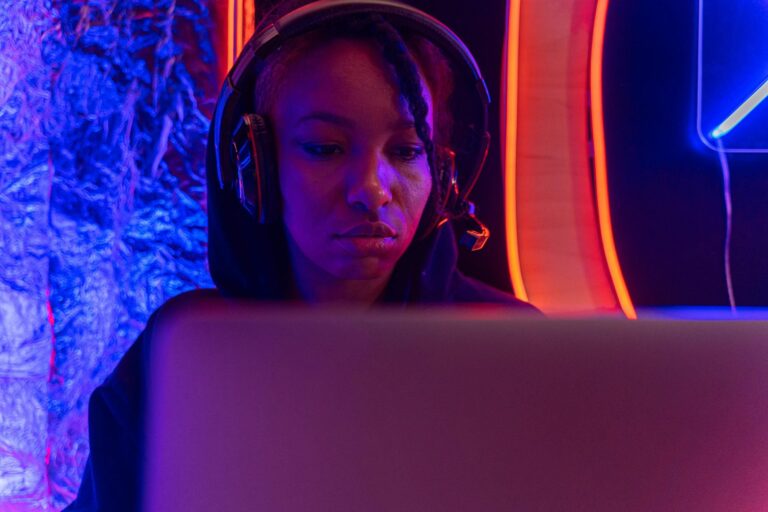

Working from home suits introverts in ways that open offices simply cannot replicate. When your best thinking happens in quiet, when your energy rebuilds through solitude rather than socializing, and when deep focus is your professional superpower, remote work stops being a perk and starts being a genuine competitive advantage. Fifth Harmony captured something real in their 2016 hit “Work From Home,” even if the song had different things on its mind.
Most conversations about remote work center on productivity metrics and Zoom fatigue. What gets missed is the more personal story: for introverts who spent years performing extroversion in open-plan offices, working from home can feel like finally being allowed to work the way their brains actually function. That shift changes everything, including career trajectory, creative output, and personal wellbeing.
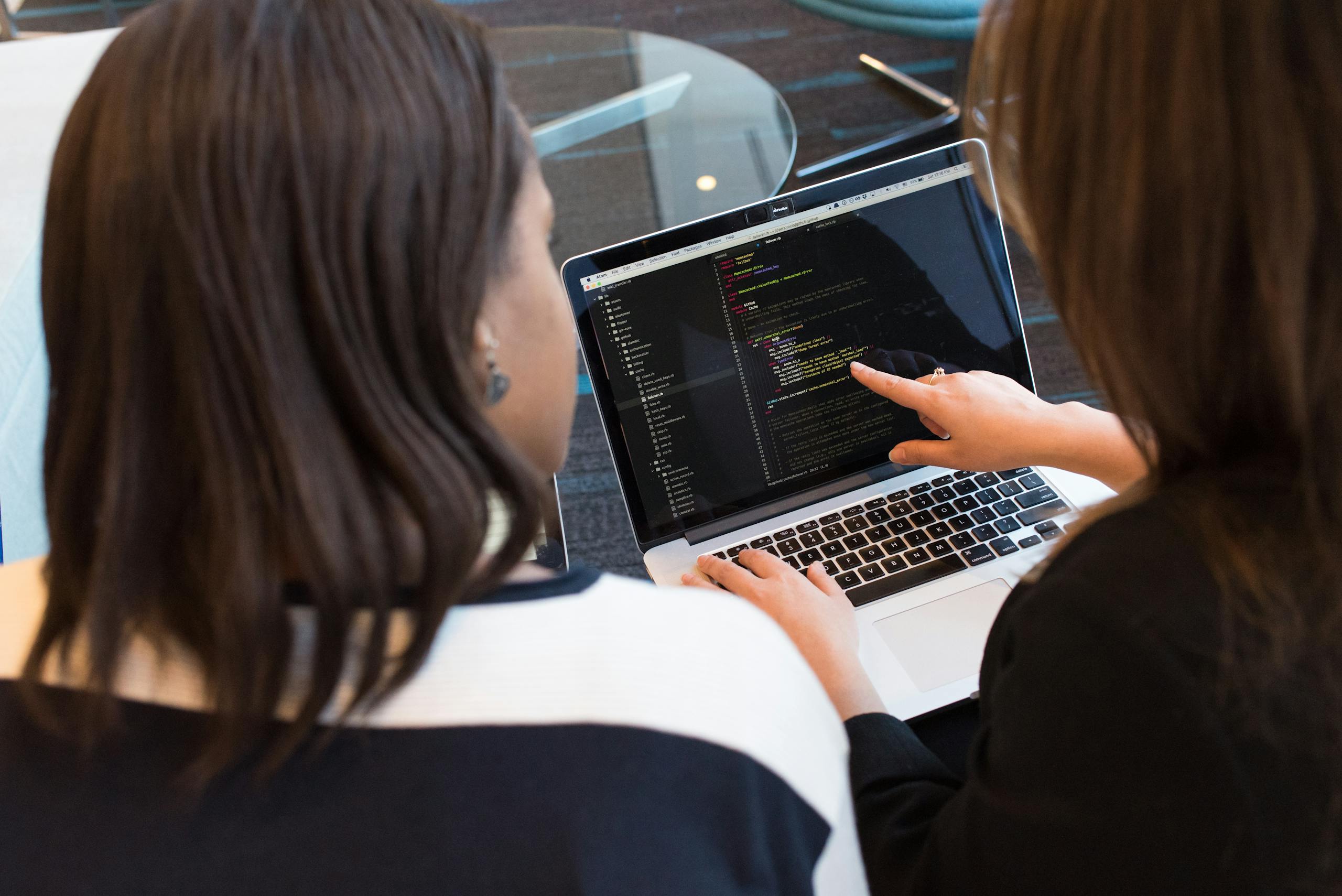
If you’re building your professional life around your introverted strengths, the broader picture matters too. Our Career Skills and Professional Development Hub covers the full range of workplace challenges introverts face, from communication strategies to career transitions, and working from home fits squarely into that conversation.
What Does “Work From Home” Actually Mean for an Introvert’s Brain?
My first advertising agency had an open floor plan. No walls, no quiet corners, just a vast expanse of noise, motion, and the constant low hum of people being around other people. I designed it that way because every article I read told me that open offices sparked creativity and collaboration. What those articles didn’t mention was that roughly half my team was quietly burning out by 3 PM every afternoon.
I didn’t understand introversion well enough back then to connect the dots. What I observed was that my most thoughtful writers and strategists produced their sharpest work when they had closed their email, put on headphones, or, in a few cases, worked from home on days I’d granted as a quiet exception. The environment was doing something to their output, and not in the direction I wanted.
What was actually happening has a neurological basis. Frontiers in Human Neuroscience has published extensively on how introverts and extroverts process stimulation differently at a brain chemistry level. Introverts tend to have higher baseline arousal in their nervous systems, which means additional environmental stimulation, noise, movement, social demands, pushes them past their optimal threshold faster. Working from home removes most of that excess stimulation and lets the brain operate in its preferred register.
That’s not a weakness. It’s a wiring preference, and once you stop fighting it, you can build a work life that actually capitalizes on it.
Why Do Introverts Perform Differently in Remote Environments?
Performance differences in remote work aren’t random. They follow a predictable pattern rooted in how introverts restore energy and process information. Psychology Today’s exploration of how introverts think describes a processing style that favors depth over speed, internal reflection over external brainstorming, and careful consideration over spontaneous reaction. Remote work environments accommodate all three of those tendencies in ways that crowded offices rarely do.
When I finally started working from a home office more consistently, something shifted in how I approached client strategy. I had always been good at my work. But working from home, I was producing the kind of thinking I’d previously only managed on Sunday mornings before the rest of the world woke up. Long, uninterrupted stretches of quiet let me actually finish a thought before moving to the next one.
Asynchronous communication was the other piece. Email and written messaging play to introvert strengths in ways that phone calls and impromptu office conversations simply don’t. Given time to compose a response, introverts tend to communicate with more precision, more nuance, and more strategic clarity. That’s not a small thing in professional environments where miscommunication costs real money.

There’s also the matter of energy management. In an office, an introvert spends a portion of their cognitive resources simply managing the social environment around them, reading the room, responding to interruptions, performing engagement. At home, those resources stay available for actual work. The cumulative effect over a week or a month is significant.
How Does Remote Work Connect to Highly Sensitive Introverts Specifically?
Not every introvert is a highly sensitive person, and not every HSP is introverted, but there’s meaningful overlap between the two groups. For those who sit at that intersection, the case for remote work is even stronger.
Highly sensitive people process sensory and emotional information more deeply than most. Fluorescent lighting, background conversations, the smell of someone’s lunch, the emotional temperature of a tense meeting, all of it registers more intensely for an HSP than it might for a colleague who seems unbothered. Working from home lets you control your sensory environment in ways that a shared office space never could.
One of my former creative directors was both introverted and highly sensitive. She was exceptional at her work, producing campaign concepts that consistently outperformed expectations. She was also visibly depleted by office life in a way that took me years to fully appreciate. Once she shifted to a primarily remote schedule, her output increased and her sick days dropped. She wasn’t less capable in the office. She was just spending too much energy surviving it.
If you’re an HSP thinking about remote work, HSP productivity strategies that work with your sensitivity rather than against it can help you structure your remote workday in a way that honors how your nervous system actually operates. success doesn’t mean work harder. It’s to work in conditions where your natural depth becomes an asset rather than a liability.
Remote work also changes the feedback dynamic in ways that matter for sensitive people. Written feedback, delivered asynchronously, gives an HSP time to process a critique without the added layer of managing their visible emotional response in real time. That breathing room can make the difference between a productive professional conversation and one that derails into anxiety. For a closer look at that dynamic, handling criticism sensitively as an HSP covers the territory in depth.
What Are the Real Career Advantages of Working From Home as an Introvert?
There’s a tendency to frame remote work as a lifestyle preference rather than a career strategy. That framing undersells it considerably. For introverts, working from home can produce measurable career advantages that compound over time.
Deep work is one of them. Cal Newport’s concept of deep work, cognitively demanding tasks performed in states of distraction-free concentration, maps almost perfectly onto how introverts naturally prefer to operate. Remote environments make sustained deep work far more accessible than open offices do. Over a career, the ability to produce genuinely complex, high-quality work consistently is a meaningful differentiator.
Written communication is another. As more professional communication moves to written channels, whether email, Slack, project management tools, or documentation, introverts’ tendency toward thoughtful, precise written expression becomes a genuine competitive edge. Walden University’s overview of introvert strengths highlights this communication advantage alongside others that tend to flourish in remote settings.

Negotiating for remote work arrangements is its own skill. Introverts often approach negotiation thoughtfully rather than aggressively, which can actually serve them well in these conversations. Harvard’s guidance on salary and arrangement negotiations emphasizes preparation and clear articulation of value, both areas where introverts tend to excel when they’ve had time to prepare. Interestingly, some perspectives suggest introverts can be more effective negotiators precisely because they listen carefully and don’t rush to fill silence.
There’s also the career longevity factor. Burnout is a real professional risk, and introverts in high-stimulation office environments face elevated exposure to it. Remote work, by reducing the daily energy drain of managing social environments, can extend the period during which an introvert operates at full professional capacity. That’s not a small thing when you’re thinking about a 30 or 40-year career.
What Challenges Do Introverts Still Face Working From Home?
Remote work isn’t a frictionless solution. It comes with its own set of challenges, and being honest about them matters more than pretending the arrangement is perfect.
Visibility is the most persistent one. Office environments, for all their noise and interruption, do provide organic opportunities to be seen doing good work. Remote introverts have to be more intentional about communicating their contributions, which can feel uncomfortable when your instinct is to let the work speak for itself. It doesn’t always speak loudly enough when no one is watching.
Procrastination can also intensify in remote settings, and not for the reasons most people assume. For introverts, especially those with perfectionistic tendencies, the unstructured time of a home office can create a kind of paralysis around tasks that feel high-stakes. The absence of external accountability removes one of the social pressures that sometimes pushed action in office environments. Understanding what actually drives procrastination for sensitive types is worth reading if you find that working from home has made this pattern worse rather than better.
The hiring process for remote roles adds another layer. Interviews, even video ones, still favor extroverted presentation styles in many organizations. Introverts who know their strengths cold can still struggle to convey them in the compressed, high-energy format of a job interview. Strategies for showcasing sensitive strengths in job interviews can help bridge the gap between how you actually perform and how you come across in those thirty-minute windows.
Financial planning also matters more in remote careers, particularly for those who freelance or move between contract roles. Having a solid financial cushion reduces the anxiety that can derail remote workers during gaps between projects. The Consumer Financial Protection Bureau’s guide to building an emergency fund is a practical starting point for anyone building that kind of stability.
Which Careers Translate Best to Remote Work for Introverts?
Not every career lends itself to remote work, but a significant range of introvert-friendly roles do. Writing, editing, software development, data analysis, research, graphic design, financial planning, and strategic consulting all translate well to remote environments. These roles tend to reward depth, independent thinking, and the kind of sustained focus that introverts bring naturally.
Some careers that seem incompatible with remote work are actually more flexible than they appear. Medical and healthcare fields, for instance, have expanded telehealth significantly, creating remote-compatible roles for introverts drawn to that sector. Medical careers suited to introverts covers how those options have grown and which roles align best with introverted working styles.

Understanding your own personality profile matters when evaluating remote career fit. An employee personality profile assessment can help clarify not just whether you’re introverted, but what specific work conditions bring out your best performance. That kind of self-knowledge is genuinely useful when you’re making career decisions or negotiating work arrangements with an employer.
When I ran my second agency, I had a senior strategist who was deeply introverted and had spent years in client-facing roles that exhausted her. She was good at them, technically, but she was never thriving. When we restructured her role to be almost entirely research, analysis, and written strategy development with minimal client contact, her work quality jumped considerably. The role had existed all along. She just hadn’t been in it.
How Do You Build a Remote Work Life That Actually Sustains You?
Structure matters more in remote work than most people anticipate. The freedom of working from home is real, but freedom without structure tends to produce anxiety rather than productivity, particularly for introverts who do their best thinking within predictable frameworks.
Start with your energy curve. Most introverts have a natural rhythm to their cognitive energy across the day. Some are sharpest in the early morning before the world intrudes. Others hit their stride mid-morning after a slow start. Mapping your own rhythm and protecting your peak hours for your most demanding work is one of the highest-leverage things you can do in a remote setup.
Batch your social obligations. Video calls, collaborative sessions, and team check-ins are necessary parts of most remote roles. Grouping them into defined windows rather than scattering them throughout the day preserves the long uninterrupted stretches that introverts need for deep work. A morning of three back-to-back calls is easier to recover from than three calls spread across a day, each one interrupting a different flow state.
Physical environment design is underrated. Your home workspace is a tool, and treating it as one pays dividends. Lighting, sound, temperature, visual clutter, all of these affect cognitive performance. Introverts tend to be more sensitive to environmental variables than they realize, and a workspace that feels calm and controlled isn’t a luxury. It’s a performance condition.
Communication norms matter too. In a remote team, being explicit about your availability and response times protects your focus without making you seem disengaged. Setting clear expectations, “I respond to non-urgent messages within a few hours,” is professional and self-protective at once. Most reasonable managers appreciate the clarity more than they’d appreciate the appearance of constant availability.
There’s also the social piece, which deserves honest attention. Introverts don’t need constant social contact, but complete isolation isn’t healthy either. The research literature on loneliness, including work published through PubMed Central on social connection and wellbeing, is clear that humans need some degree of meaningful connection regardless of personality type. Building that deliberately into a remote life, through regular calls with colleagues you genuinely like, in-person meetups, or community involvement outside work, matters more than most introverts initially expect.
My own remote work evolution happened gradually. Early in my career, I would have told you I needed the energy of an office to stay motivated. What I actually needed was the accountability. Once I built other accountability structures, clear project milestones, regular check-ins with collaborators I respected, a physical workspace I actually wanted to sit in, the office stopped being necessary. What replaced it was something better: a work environment designed around how I actually think.
That’s what working from home offers introverts at its best. Not escape from professional demands, but alignment between those demands and the conditions under which you genuinely meet them.
There’s a lot more to cover when it comes to building a career that fits how you’re wired. The full Career Skills and Professional Development Hub at Ordinary Introvert is worth bookmarking if you’re working through any of these questions in your own professional life.
About the Author
Keith Lacy is an introvert who’s learned to embrace his true self later in life. After 20 years in advertising and marketing leadership, including running agencies and managing Fortune 500 accounts, Keith now channels his experience into helping fellow introverts understand their strengths and build fulfilling careers. As an INTJ, he brings analytical depth and authentic perspective to every article, drawing from both professional expertise and personal growth.
Frequently Asked Questions
Is working from home actually better for introverts than working in an office?
For many introverts, yes. Remote work removes the constant sensory and social stimulation of open offices, which allows introverts to operate closer to their natural cognitive rhythm. The ability to control your environment, work in sustained quiet, and communicate through written channels plays to the strengths most introverts already have. That said, remote work requires intentional structure to avoid isolation and visibility problems, so it isn’t automatically better without some deliberate design.
How can introverts stay visible and advance their careers while working remotely?
Visibility in remote environments requires more intentionality than it does in offices. Documenting your work clearly, contributing thoughtfully in written channels, and scheduling regular one-on-ones with managers and key colleagues all help. Introverts often underestimate how much their contributions go unnoticed simply because they don’t narrate them. In remote settings, written updates, project summaries, and proactive communication about progress replace the organic visibility that comes from being physically present.
What are the best remote careers for introverts?
Roles that reward depth, independent thinking, and sustained focus tend to translate well to remote work for introverts. Writing, editing, software development, data analysis, research, graphic design, financial analysis, and strategic consulting are strong fits. Healthcare has also expanded remote options through telehealth. The best remote career for any individual introvert depends on their specific strengths, so taking a personality profile assessment can help clarify which roles align with how you actually work best.
How do highly sensitive introverts benefit specifically from remote work?
Highly sensitive people process sensory and emotional information more intensely than most, which makes the controlled environment of a home office particularly valuable. Remote work allows HSPs to manage lighting, sound, temperature, and visual stimulation in ways that shared offices cannot accommodate. It also shifts feedback and communication to written, asynchronous formats, which give sensitive people time to process information without managing their visible emotional response in real time. Both factors tend to support stronger performance and lower burnout rates.
What’s the biggest mistake introverts make when working from home?
The most common mistake is treating remote work as purely solitary and neglecting the social and professional connection that even introverts need. Complete isolation erodes wellbeing over time and can damage career progression by removing you from the informal networks that shape opportunities. Building deliberate connection, through regular calls with colleagues, mentors, or professional communities, is essential. success doesn’t mean replicate office social dynamics. It’s to maintain enough meaningful contact to stay energized, visible, and professionally connected.