

Meditation to lower blood pressure works by activating the body’s parasympathetic nervous system, which counteracts the stress response that keeps blood pressure elevated. Regular practice, even as little as ten to fifteen minutes daily, can produce measurable reductions in both systolic and diastolic readings over time. For people who process the world deeply and quietly, this particular tool often fits better than anything a doctor’s office can prescribe.
My blood pressure was never something I thought about until my mid-forties. I was running an advertising agency, managing a team of about thirty people, and fielding calls from Fortune 500 clients who treated every deadline like a cardiac event. My doctor mentioned my numbers at a routine checkup, not in an alarming way, but in that careful way doctors use when they want you to hear something without panicking. “You might want to look at your stress levels,” he said. I remember thinking, what stress? I had everything under control. That was the problem, of course. I had been managing my stress so efficiently on the outside that I had no idea what it was doing on the inside.
What followed was a slow, sometimes awkward, genuinely useful introduction to meditation. Not the kind with singing bowls and incense, though I have nothing against those. The kind where you sit quietly, pay attention to your breath, and let your nervous system remember that not everything is an emergency.
If you’re working through the broader picture of how your inner life affects your physical health, our Introvert Mental Health Hub covers this territory in depth, from anxiety and sensory overload to emotional processing and perfectionism. Blood pressure is just one thread in a much larger fabric.
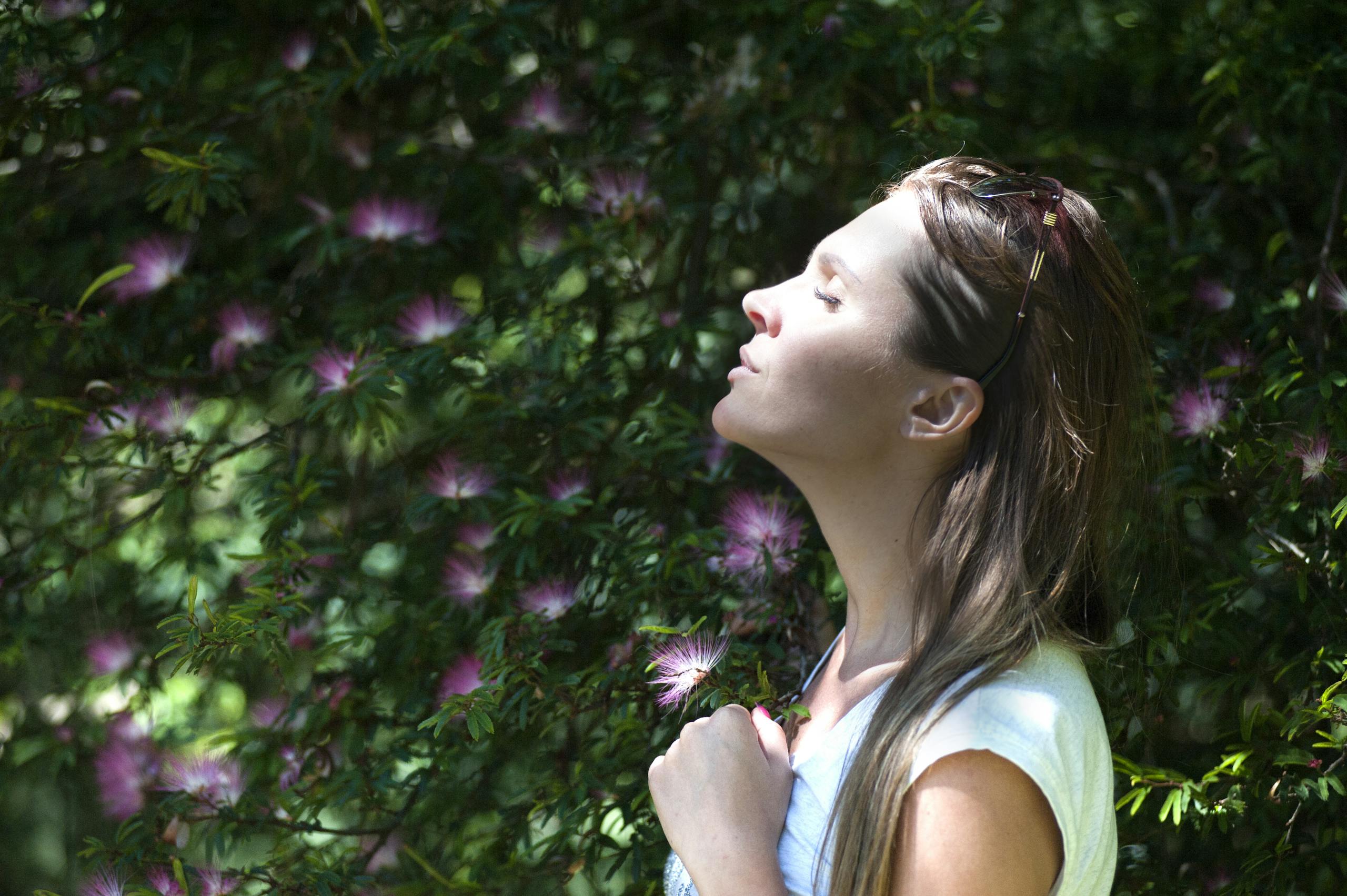
Why Does Stress Drive Blood Pressure Up in the First Place?
Blood pressure rises when your body believes it needs to act fast. The sympathetic nervous system, the fight-or-flight branch, floods your system with adrenaline and cortisol. Your heart rate increases. Blood vessels constrict. Your body is preparing to run or fight, even if you’re just sitting in a conference room listening to someone misread a campaign brief.
The challenge for people who process deeply is that this system can stay activated long after the immediate trigger passes. I noticed this in myself for years before I had language for it. A difficult client call at 2 PM would still be running in the background of my mind at 11 PM. I wasn’t ruminating exactly. I was processing. Turning the thing over, examining it from different angles, working out what it meant and what I should have said and what I’d say differently next time. That kind of internal processing, which feels productive and even satisfying, still registers as arousal in the nervous system. The body doesn’t distinguish between useful reflection and anxious replay. It just knows you haven’t settled.
Chronic activation of this stress response keeps blood pressure elevated over time. According to the National Institutes of Health, sustained hypertension significantly increases risk of cardiovascular disease, stroke, and kidney damage. The numbers matter. And for people whose nervous systems are already running a more sensitive calibration of the world, the accumulated load of daily stress can be quietly significant.
This is especially relevant if you identify as a highly sensitive person. HSP overwhelm and sensory overload aren’t just emotional experiences. They have physiological signatures. Bright lights, loud environments, and emotional intensity all activate the same stress pathways that drive blood pressure up. Managing that load isn’t just about feeling better. It can be about protecting your heart.
What Does Meditation Actually Do to the Body?
Meditation works by deliberately activating the parasympathetic nervous system, the rest-and-digest counterpart to fight-or-flight. When you sit quietly, slow your breathing, and direct attention inward, you’re essentially sending a signal to your body that the emergency is over. Heart rate slows. Blood vessels dilate. Cortisol levels drop. Blood pressure follows.
A review published in PubMed Central examined the effects of various meditation practices on blood pressure and found consistent evidence that regular meditation produces meaningful reductions in hypertensive adults. The effects weren’t dramatic in a single session, but they accumulated over weeks and months of consistent practice. That’s an important distinction. Meditation isn’t a quick fix. It’s a recalibration.
What I find genuinely interesting, and what no one told me when I started, is that the mechanism isn’t just relaxation. Meditation changes how the brain processes threat. Over time, regular practitioners show reduced reactivity in the amygdala, the part of the brain that triggers alarm responses. You don’t stop noticing stressors. You stop treating every stressor as existential. That distinction matters enormously if you’re someone whose mind naturally notices everything.

There’s also the matter of what happens to anxiety in the body. The National Institute of Mental Health describes anxiety disorders as among the most common mental health conditions, and chronic anxiety and elevated blood pressure share overlapping physiological roots. Meditation addresses both simultaneously, which is why many people who start practicing for one reason find unexpected benefits in the other. If anxiety is part of your picture, it’s worth understanding how HSP anxiety operates and how it intersects with your body’s stress response.
Which Types of Meditation Work Best for Blood Pressure?
Not all meditation is the same, and this matters more than most introductory articles admit. Different practices engage different neural mechanisms, and finding the right fit is more important than finding the “correct” technique.
Mindfulness-based practices, where you focus on breath or body sensation without trying to change your experience, are the most extensively studied for cardiovascular effects. The evidence base here is solid. But mindfulness isn’t the only path.
Transcendental Meditation, which uses a repeated mantra to settle the mind into a state of restful alertness, has been studied specifically for blood pressure effects. A study available through PubMed Central found that mantra-based meditation showed particularly meaningful results in reducing systolic blood pressure in adults with hypertension. The repetitive, inward quality of mantra practice suits many introverts well. There’s no performance involved. No one is watching. You’re simply sitting with a sound.
Body scan meditation, where you move attention slowly through different parts of the body, is another option that tends to resonate with people who process deeply. It requires patience and a willingness to stay with subtle sensations, qualities that many introverts already possess in abundance. I found body scans particularly useful during agency years when I’d arrive home still carrying the tension of a difficult day. Fifteen minutes of systematically releasing that tension from my feet to my shoulders was more effective than an hour of television.
Loving-kindness meditation, where you generate feelings of warmth toward yourself and others, has a different flavor entirely. It’s less about calming and more about shifting emotional register. For people who carry a lot of empathic weight, this practice can be both challenging and deeply restoring. The connection between empathy and physical health is real. When you absorb others’ emotional states constantly, as many deeply feeling people do, that absorption has a physiological cost. Understanding how HSP empathy functions as both a gift and a burden can help you choose practices that support rather than deplete you.
How Long Before Meditation Affects Blood Pressure?
Patience is required here, and I say that as someone who spent two decades in an industry that measured everything in quarterly results. Meditation doesn’t produce a quarterly report. The timeline is more like gardening than advertising.
Most people who practice consistently, meaning daily or near-daily sessions of at least ten minutes, begin to notice changes in how they respond to stress within the first few weeks. The blood pressure numbers themselves tend to shift more gradually, often over eight to twelve weeks of regular practice. Some people see movement sooner. Others take longer. Individual variation is real.
What I noticed first wasn’t a number on a monitor. It was a pause. A small but unmistakable gap between a stressor arriving and my body responding to it. A client would call with a crisis, and instead of my chest tightening immediately, there was a breath. Just a breath. But that breath was everything. It was the difference between reacting and choosing. Over time, those pauses accumulated into something that showed up in my doctor’s office as improved readings.
The depth-processing that characterizes many introverts and highly sensitive people can actually accelerate this progress, once it’s pointed in the right direction. The same capacity for sustained internal attention that makes quiet people excellent observers makes them unusually good at meditation. Deep emotional processing isn’t a liability in meditation practice. It’s an asset, provided you learn to observe your inner experience rather than getting swept into it.

What Gets in the Way of a Consistent Practice?
Consistency is where most people stumble, and the reasons are more interesting than simple laziness or busy schedules.
One of the biggest obstacles I’ve seen, in myself and in people I’ve talked with, is perfectionism. There’s a version of meditation that exists in the mind as a pristine, uninterrupted state of calm. When the actual practice involves a wandering mind, physical discomfort, and the sudden memory of seventeen things you forgot to do, it can feel like failure. It isn’t. A wandering mind that you gently redirect is precisely the practice. The redirection is the exercise. But perfectionism doesn’t care about that distinction.
I ran agencies for over two decades, and I can tell you that perfectionism was the silent tax on almost everything good that happened in those buildings. It made people afraid to try things that might not work perfectly. It made me slow to delegate because no one would do it exactly as I envisioned. In meditation, perfectionism shows up as the voice that says you’re doing it wrong, that you should be calmer by now, that other people probably find this easier. That voice is worth examining. Breaking the perfectionism trap applies as much to your inner practice as to your outer work.
Another obstacle is what I’d call the productivity paradox. Sitting quietly, doing nothing visible, feels wasteful to people who have spent their lives equating busyness with value. I felt this acutely in my agency years. Every minute I wasn’t producing something felt like a minute I was falling behind. Meditation asks you to sit with the discomfort of non-production and discover that nothing falls apart. That can take a while to believe.
Social comparison is a quieter obstacle. Psychology Today’s Introvert’s Corner has noted that introverts often develop elaborate internal narratives about how they compare to others, even in private practices like meditation. Hearing someone describe their profound meditation experiences can make your own quiet, ordinary sessions feel inadequate. They aren’t. The ordinary sessions are the practice.
Does Rejection or Emotional Hurt Affect Blood Pressure Too?
This question doesn’t appear in most blood pressure articles, but it belongs here.
Emotional pain activates many of the same physiological pathways as physical stress. Social rejection, criticism, perceived failure, and interpersonal conflict all trigger stress responses. For people who feel things deeply, these responses can be prolonged and intense. A harsh word from a client in a Monday morning call could still be reverberating through my nervous system on Wednesday, not because I was weak, but because my mind processed it thoroughly rather than dismissing it.
The body keeps score in these moments. Elevated cortisol from an unresolved emotional wound looks physiologically similar to elevated cortisol from a deadline crisis. Blood pressure doesn’t distinguish between sources of stress. It just responds to the load. Processing rejection and healing from it isn’t just emotionally important. It’s cardiovascularly relevant.
Meditation helps here by creating a container for emotional processing that doesn’t extend the stress response. When you sit with a difficult feeling in meditation rather than suppressing it or spinning in it, you allow the nervous system to metabolize the experience and return to baseline. That’s different from both avoidance and rumination. It’s a third option that many deeply feeling people have never been taught.

Can Breathing Techniques Amplify the Blood Pressure Benefits?
Yes, and this is one of the most accessible entry points into the whole territory.
Slow, controlled breathing directly stimulates the vagus nerve, which is the primary pathway of the parasympathetic nervous system. When you extend your exhale to be longer than your inhale, you’re activating the body’s natural calming mechanism with precision. A simple practice: inhale for four counts, exhale for six or eight. Do this for five minutes. Notice what happens to your shoulders, your jaw, the space behind your eyes.
I used this technique before every major client presentation during my agency years. Not because I was anxious in an obvious way, but because I knew my best thinking happened when my nervous system was settled rather than activated. The difference between presenting from a calm state and presenting from a mildly stressed state was significant, not in how I appeared to others, but in the quality of my own thinking. Calm produced clarity. Stress produced performance.
A study from the University of Northern Iowa examining relaxation techniques and physiological stress found that controlled breathing interventions produced measurable reductions in physiological arousal markers. Breathing is not a soft skill. It’s a lever with direct mechanical access to your cardiovascular system.
Box breathing, which involves equal counts for inhale, hold, exhale, and hold again, is another technique worth exploring. It’s used in high-stress professional contexts, including military and emergency medicine, precisely because it works under pressure. For introverts who carry stress internally rather than expressing it outwardly, having a reliable tool that works quietly and privately is particularly valuable.
How Do You Build a Practice That Actually Lasts?
Sustainability matters more than intensity. A ten-minute practice you maintain for a year will do far more for your blood pressure than a forty-minute practice you abandon after three weeks.
Anchor your practice to an existing habit. Morning coffee, the few minutes before you open your laptop, the transition between work and evening. Introverts often have established rituals around solitude already. Meditation slots naturally into those spaces rather than competing with them.
Remove friction. A meditation cushion in a visible spot, a phone app already open, a dedicated chair that signals to your body that this is the time, these small environmental cues reduce the decision cost of starting. The harder it is to begin, the more likely you’ll skip it on difficult days, which are precisely the days it matters most.
Track something, but not everything. I kept a simple notebook during my first year of practice. Not a detailed journal, just a date and a brief note about what I noticed. Some days: “restless, mind kept returning to Ogilvy account.” Other days: “genuinely quiet for about four minutes, felt different afterward.” That record became evidence. On days when I doubted whether any of it was working, I could look back at six months of entries and see a pattern I couldn’t see in individual sessions.
The American Psychological Association’s resources on resilience emphasize that consistent small practices build psychological and physiological durability over time. Meditation isn’t about achieving a permanent state of calm. It’s about developing a reliable way back to equilibrium when you’ve been pulled away from it. That’s a different and more honest framing than most wellness content offers.
Is Meditation Enough on Its Own?
Honestly, no, and any article that suggests otherwise is overselling it.
Meditation is a powerful component of a broader approach to cardiovascular health. Sleep, physical movement, diet, and social connection all play significant roles. If your blood pressure is clinically elevated, you need a conversation with a physician, not just a meditation app. Meditation can complement medical treatment and in some cases reduce the need for medication over time, but that’s a conversation to have with someone who can actually measure your numbers and assess your overall health picture.
What meditation does uniquely well is address the stress component of blood pressure in a way that most other interventions don’t touch. Exercise helps, but you can exercise while mentally rehearsing every difficult conversation you’ve had this week. Diet matters, but changing what you eat doesn’t change how your nervous system responds to a hostile email. Meditation works on the response itself, on the gap between stimulus and reaction, on the baseline level of activation your body carries through ordinary days.
For people who process deeply and feel things intensely, that baseline tends to run higher than average. Not because something is wrong with you. Because you’re built to notice more, absorb more, and carry more. That’s a feature in many contexts. It requires more deliberate maintenance in others. Meditation is part of that maintenance.
There’s a broader conversation happening across all of these mental health topics, from perfectionism to anxiety to emotional sensitivity, and it’s worth exploring in one place. Our Introvert Mental Health Hub brings those threads together if you want to see how they connect.
About the Author
Keith Lacy is an introvert who’s learned to embrace his true self later in life. After 20 years in advertising and marketing leadership, including running agencies and managing Fortune 500 accounts, Keith now channels his experience into helping fellow introverts understand their strengths and build fulfilling careers. As an INTJ, he brings analytical depth and authentic perspective to every article, drawing from both professional expertise and personal growth.
Frequently Asked Questions
How long does it take for meditation to lower blood pressure?
Most people who practice consistently, meaning daily sessions of ten to fifteen minutes, begin to notice stress response changes within the first few weeks. Measurable changes in blood pressure readings typically emerge over eight to twelve weeks of regular practice. Individual variation is real, and some people see shifts sooner while others take longer. what matters is consistency over any single session’s duration.
Which type of meditation is most effective for blood pressure?
Mindfulness-based practices and mantra meditation have both shown meaningful results in published research. Mantra-based approaches, including Transcendental Meditation, have been specifically studied for hypertension and show consistent evidence of reducing systolic blood pressure in adults with elevated readings. Body scan and breathing-focused practices are also effective. The most effective type is in the end the one you’ll practice consistently, so finding a format that suits your temperament matters more than selecting the theoretically optimal technique.
Can breathing exercises alone lower blood pressure?
Slow, controlled breathing directly activates the parasympathetic nervous system through vagal stimulation, producing real-time reductions in heart rate and blood pressure. Extending the exhale to be longer than the inhale is particularly effective. While breathing exercises alone may not produce the same cumulative structural changes as a full meditation practice, they are a powerful standalone tool and an excellent entry point for people new to these practices.
Is meditation safe to use alongside blood pressure medication?
Meditation is generally considered safe alongside medication, and many physicians actively encourage it as a complementary approach. That said, if your blood pressure responds significantly to meditation practice over time, your medication needs may change, and that requires monitoring by a healthcare provider. Never adjust or stop medication based on improved readings without medical guidance. Meditation works best as part of a conversation with your doctor, not as a replacement for one.
Why do introverts and highly sensitive people often have elevated stress responses?
People who process deeply tend to notice more environmental and emotional input than average, and their nervous systems remain engaged with that input for longer periods. This isn’t a disorder or a weakness. It’s a different calibration of attention and processing. The cumulative physiological cost of sustained processing, particularly in high-stimulation environments, can keep baseline stress markers, including blood pressure, elevated. Meditation helps by creating regular intervals of genuine nervous system rest, giving the body time to return to baseline between processing cycles.