

Solving your stress cycle starts with understanding that burnout isn’t just exhaustion. It’s what happens when your nervous system gets stuck in a loop it can’t exit on its own. For introverts especially, that loop runs deeper and quieter than most people realize, which makes it harder to catch and significantly harder to break.
My body figured out I was burned out long before my brain admitted it. Running an advertising agency means you’re always performing, always available, always “on.” I had convinced myself that the fatigue was just the cost of ambition. It took a full system shutdown, the kind where you sit in a parking lot for twenty minutes because you genuinely cannot make yourself walk into a building, to recognize what was actually happening.
Burnout doesn’t announce itself. It accumulates. And for introverts, the stress cycle that feeds it is wired differently than what most mainstream advice is designed to address.
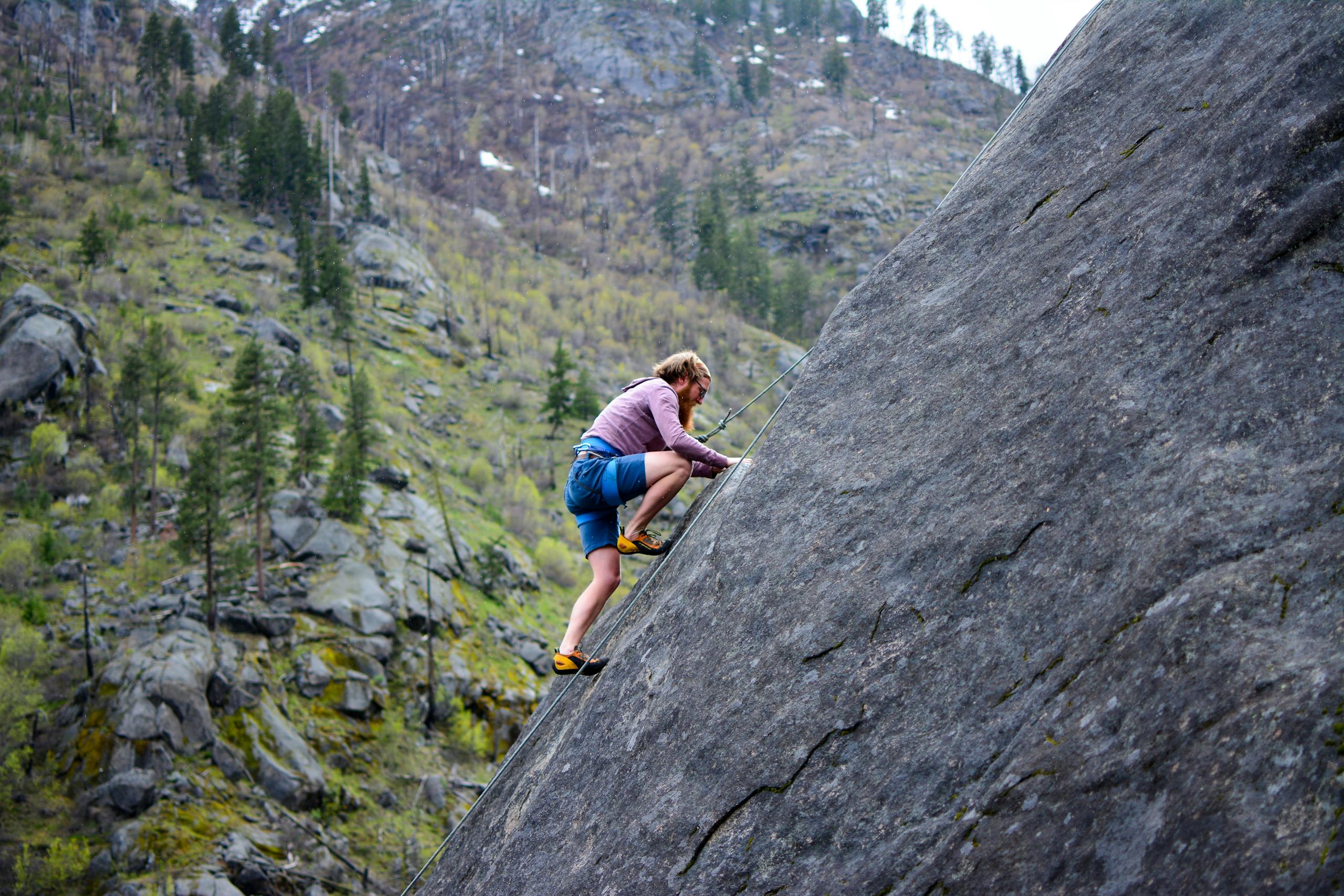
If you’re working through burnout or trying to understand the patterns that keep pulling you back into it, our Burnout & Stress Management hub covers the full landscape, from early recognition to sustainable recovery strategies built specifically around how introverts process stress.
What Is the Stress Cycle, and Why Do Introverts Get Stuck in It?
Psychologists Amelia and Emily Nagoski describe the stress cycle as a biological process your body initiates in response to a perceived threat. Your heart rate increases, cortisol floods your system, your muscles tighten. That’s the opening of the cycle. The problem is that completing the cycle requires a physical signal to your nervous system that the threat has passed. Without that signal, your body stays in a low-grade state of activation indefinitely.
For introverts, the threat triggers are often social and environmental rather than physical. A packed open-plan office. Back-to-back meetings with no buffer. A client call that runs long followed by a team lunch you can’t skip. None of these feel like emergencies, so you don’t treat them as threats. You just push through. And your nervous system, which doesn’t distinguish between a predator and a performance review, stays activated for hours, sometimes days, without ever getting the signal that it’s safe to wind down.
I managed a creative team of fourteen people at one point, and I noticed something consistent in the introverts on my staff. They weren’t struggling with the work. They were struggling with the relentless social overhead that surrounded the work. One of my senior copywriters, a deeply talented INFJ, would produce extraordinary thinking in the morning and be visibly depleted by two in the afternoon. Not from creative effort. From the constant ambient noise of an open floor plan and the expectation of availability. Her stress cycle was opening every single morning and never fully closing.
There’s a related layer worth naming here. Highly sensitive introverts often experience this cycle with even greater intensity. If you recognize yourself in that description, the piece on HSP burnout recognition and recovery speaks directly to how sensory and emotional overload compounds the standard burnout pattern.
Why Does Pushing Through Make Burnout Worse?
There’s a particular kind of pride that introverts in high-performance environments develop. We learn to mask the cost of social exertion so effectively that even we stop noticing it. You get very good at functioning while depleted. You confuse the absence of collapse with the presence of health.
Pushing through an open stress cycle doesn’t close it. It compounds it. Each new stressor gets added to an already-activated system. Over time, your baseline shifts. What used to feel like a difficult week starts to feel like a normal week. You lose the reference point for what rested actually feels like.
During the years I was running agencies and managing major accounts, I operated in a state I now recognize as chronic low-grade burnout for probably three years straight. I wasn’t incapacitated. I was functional, productive even. But I was drawing from a reserve that was never being replenished. The introvert energy equation is real, and I was running a significant deficit without acknowledging it.
The other thing pushing through does is it trains your nervous system to ignore its own signals. You stop recognizing irritability as a stress indicator. You stop reading tension headaches as data. You stop noticing that you’re snapping at people you genuinely care about. By the time burnout becomes undeniable, you’ve often been in it for months.

What Does Completing the Stress Cycle Actually Look Like?
Completing the stress cycle means giving your body a physiological signal that the threat has passed and it’s safe to return to baseline. The methods that work best are physical, because your nervous system communicates in body language, not logic.
Movement is the most direct route. A twenty-minute walk after a high-stress meeting isn’t a luxury. It’s a nervous system intervention. Physical activity metabolizes the stress hormones your body produced in response to the threat, which is what allows the cycle to close. The American Psychological Association’s overview of relaxation techniques covers several approaches that work at the physiological level, not just the cognitive one.
Breath work is another reliable tool. Extended exhales activate the parasympathetic nervous system, which is the branch responsible for rest and recovery. A simple practice of inhaling for four counts and exhaling for six to eight counts, done for five minutes, creates a measurable shift in nervous system state. The 5-4-3-2-1 grounding technique from the University of Rochester is another practical option that works well for introverts because it’s quiet, internal, and requires no social component.
Creative expression closes cycles too. Writing, drawing, playing music, even cooking with full attention can signal safety to a nervous system that’s been on alert. For introverts, solitary creative activities carry the added benefit of not requiring the social energy expenditure that many conventional stress relief recommendations assume.
What doesn’t complete the cycle, despite how it feels in the moment, is scrolling through your phone, watching television passively, or ruminating on what stressed you out. These activities may feel like rest, but they don’t send the biological signal your nervous system needs. They’re more like pressing pause than pressing stop.
I started building deliberate cycle-closing practices into my workday after that parking lot moment I mentioned. Fifteen minutes of walking after my most demanding meetings. A brief breathing practice before getting in my car to drive home. These weren’t dramatic changes. They were small, consistent signals to my nervous system that the day’s threats had passed. Over several weeks, my baseline shifted noticeably.
How Does Social Stress Specifically Feed the Burnout Loop?
Social interaction isn’t inherently stressful for introverts. That’s a misconception worth clearing up. What’s stressful is sustained social performance without adequate recovery time. The difference matters because it changes what you’re actually managing.
Introverts process social information deeply. Where an extrovert might skim the surface of a conversation and move on, many introverts are running a fuller analysis: tone, subtext, what wasn’t said, how the other person seemed to feel, whether the interaction landed well. That processing isn’t a flaw. It’s a genuine cognitive strength. But it consumes more energy than surface-level engagement, and it doesn’t stop when the conversation ends.
Forced social rituals amplify this significantly. There’s a reason that icebreakers are genuinely stressful for introverts, not because introverts are antisocial, but because performative spontaneity in group settings requires exactly the kind of fast, surface-level social output that runs counter to how introverts naturally engage. Each of these forced interactions opens a small stress cycle. Enough of them in sequence, without recovery, and you’re accumulating a significant deficit.
Social anxiety adds another layer to this. The anticipatory stress of upcoming social demands, the post-event analysis of how things went, the vigilance during interactions: all of these keep the stress cycle open even when you’re technically alone. The stress reduction skills for social anxiety piece goes deeper on this specific pattern and offers practical tools for interrupting the loop before it compounds.
One thing I observed consistently across my years managing creative teams: the introverts who struggled most with burnout weren’t the ones doing the hardest work. They were the ones in roles that required the most continuous social performance. Account management. Client-facing creative direction. Open-plan team environments with an always-on culture. The work itself was manageable. The social overhead was what broke people down.

What Are the Structural Changes That Break the Cycle Long-Term?
Completing individual stress cycles matters. So does building a life structure that doesn’t generate more cycles than you can close. These are different problems requiring different solutions.
The structural changes that make the most difference for introverts tend to fall into three categories: schedule architecture, environment design, and honest self-assessment about sustainable workload.
Schedule architecture means building recovery into your calendar as a non-negotiable, not as something that happens when everything else is done. Because for high-performing introverts, everything else is never done. I started blocking thirty-minute buffers after my two most demanding weekly meetings. Not for work. For walking, breathing, or sitting quietly. My assistant initially questioned these blocks. I explained that they were when I did my best thinking. That was true, but the more honest answer was that they were when I let my nervous system close its open cycles before the next one started.
Environment design means being honest about which physical and social environments drain you most and making deliberate adjustments where you have control. I moved my primary workspace from the center of our open office to a smaller room at the end of the hall. The optics felt slightly awkward at first. The productivity and mood improvement was significant enough that I stopped caring about the optics.
Sustainable workload assessment is the hardest of the three because it requires saying no to things that feel important. Burnout often develops in people who care deeply about their work. Caring deeply is not the problem. The problem is treating your capacity as infinite because the work feels meaningful. Meaning doesn’t replenish energy. Rest does.
Self-care gets misrepresented in a lot of introvert content as bubble baths and journaling, which misses the structural dimension entirely. The practical self-care approaches that don’t add stress piece covers this more honestly, including how to build recovery practices that fit actual introvert lives rather than aspirational ones.
One structural change that’s worth mentioning separately: income diversification. Many introverts burn out partly because financial pressure forces them into high-drain work environments with no exit. Building a secondary income stream through work that genuinely suits your energy profile creates options. The low-stress side hustles for introverts resource is worth exploring if you’re at a point where you need more flexibility in how and where you work.
How Do You Know If You’re Actually Recovering or Just Coping?
Coping keeps you functional. Recovery restores you. The distinction matters because many introverts become expert copers without ever actually recovering. They manage the symptoms well enough to keep going, which prevents the full breakdown that might force a real change, while the underlying depletion continues to accumulate.
Some markers that suggest you’re coping rather than recovering: you feel better on weekends but dread Sunday evenings. You need caffeine to reach what used to be your natural baseline. You feel relief at the end of social situations rather than satisfaction. You find it harder to access genuine enthusiasm for things you used to care about. Your patience with the people closest to you is shorter than it used to be.
Genuine recovery looks different. You wake up with energy that doesn’t require maintenance. You can engage socially and feel neutral or positive afterward rather than depleted. You feel curious rather than obligated about your work. You have access to the full range of your cognitive and emotional capacities rather than a reduced version of them.
One honest signal I’ve learned to pay attention to: my quality of thinking. As an INTJ, strategic thinking is where I live. When I’m genuinely recovered, I can hold multiple complex variables simultaneously, see patterns clearly, and generate novel approaches to problems. When I’m burned out, even if I’m functioning, my thinking is flatter. More reactive, less generative. I can execute but I can’t create. That shift in cognitive quality is, for me, one of the most reliable early warning signs that the stress cycle is winning.
There’s also the question of how you respond when someone checks in on you. When a colleague or partner genuinely asks how you’re doing, notice your first internal response. Introverts who are burned out often deflect or minimize automatically, not because they’re dishonest, but because they’ve gotten so practiced at managing their presentation that the honest answer feels inaccessible. The piece on what it means to ask an introvert if they’re stressed gets into this dynamic with some real nuance.

What Does the Science Tell Us About Introvert Stress and Recovery?
The physiological differences in how introverts process stimulation are well-documented. Introverts tend to have higher baseline arousal in the cortex, which means they reach their optimal stimulation threshold more quickly than extroverts. What an extrovert experiences as energizing stimulation, an introvert may experience as overstimulation. This isn’t a preference or a personality quirk. It’s a neurological reality with direct implications for how stress accumulates and what recovery requires.
A PubMed Central study on personality and stress response examined how individual differences in temperament affect the experience and management of chronic stress. The findings support what many introverts know intuitively: that the same environmental demands generate meaningfully different physiological responses depending on how a person is wired, and that effective stress management has to account for those individual differences rather than applying a one-size approach.
Separately, research published in Frontiers in Psychology explored the relationship between introversion, emotional regulation, and wellbeing, finding that introverts who develop effective emotion regulation strategies show significantly better outcomes across multiple wellbeing measures. The implication is that success doesn’t mean change how you process experience. It’s to build the regulatory skills that work with your natural processing style.
There’s also meaningful evidence on the physiological effects of sustained social performance. A PubMed Central review on social stress and cortisol response documents how repeated social evaluation situations, exactly the kind of environments introverts often find themselves in professionally, generate sustained cortisol elevation that, over time, contributes to the kind of systemic dysregulation that underlies burnout.
None of this means introverts are fragile or poorly suited for demanding work. It means that the recovery requirements are real and specific, and ignoring them has physiological consequences that go well beyond feeling tired.
How Do You Build a Recovery Practice That Actually Holds?
Consistency matters more than intensity. A five-minute breathing practice done every day will do more for your stress cycle than an occasional weekend retreat. Your nervous system responds to reliable patterns. It learns to anticipate recovery the way it learns to anticipate threat.
Start with what’s already in your life rather than building something new. Most introverts already have solitary activities they value. Reading. Walking. Cooking. Creating. The question isn’t whether you’re doing these things. It’s whether you’re doing them with the intentionality that signals recovery to your nervous system, or whether you’re doing them while simultaneously processing the day’s stressors in the background.
Presence is the variable. A walk while mentally rehearsing tomorrow’s difficult conversation doesn’t close the stress cycle. A walk where you’re genuinely attending to your surroundings, even imperfectly, does. The difference is in where your attention is directed, and that’s something you can practice.
There’s also value in being honest with yourself about what you’re actually recovering from. Not all introvert depletion is the same. Social exhaustion, cognitive overload, emotional labor, sensory overwhelm: these are distinct experiences that may respond to different recovery approaches. Paying attention to the specific texture of your depletion helps you match your recovery practice to what your system actually needs.
A piece of advice I wish someone had given me twenty years ago: protect your mornings. The first hour of the day, before the demands of other people begin, is when many introverts do their best thinking and experience their most natural state. Surrendering that hour to email, news, or social media is a significant loss. That time, used for quiet reflection, light movement, or creative work, can function as a daily stress cycle completion before the cycles of the day even begin.

Recovery isn’t something you do once and finish. It’s an ongoing practice, and the introverts who manage it best are the ones who’ve stopped treating it as optional. The Psychology Today piece on the hidden weight of small talk captures something important here: even the micro-interactions that seem trivial carry a real cognitive and emotional cost for introverts. Accounting for that cumulative cost in your recovery practice is part of what makes the difference between coping and genuinely healing.
What I’ve found, both personally and in watching others work through this, is that the introverts who recover most fully are the ones who stop apologizing for their recovery requirements. They stop framing their need for solitude as a social failing. They stop treating rest as laziness. They start treating their nervous system’s requirements with the same respect they’d give any other genuine physical need. That shift in framing, from “I’m not as resilient as I should be” to “I understand what my system needs and I’m going to provide it,” is where the real change begins.
You can find more resources on this across our full Burnout & Stress Management hub, including pieces on early recognition, specific recovery strategies, and how to build sustainable work and life structures that honor how you’re actually wired.
About the Author
Keith Lacy is an introvert who’s learned to embrace his true self later in life. After 20 years in advertising and marketing leadership, including running agencies and managing Fortune 500 accounts, Keith now channels his experience into helping fellow introverts understand their strengths and build fulfilling careers. As an INTJ, he brings analytical depth and authentic perspective to every article, drawing from both professional expertise and personal growth.
Frequently Asked Questions
What is the stress cycle and why does it matter for burnout?
The stress cycle is a biological process your body initiates in response to a perceived threat. It has a beginning, a middle, and an end. Burnout develops when the cycle opens repeatedly but never fully closes, leaving your nervous system in a sustained state of activation. For introverts, social and environmental demands often trigger this cycle without being recognized as threats, which means cycles accumulate silently over time until the system reaches a breaking point.
How do introverts complete the stress cycle differently than extroverts?
Introverts tend to complete stress cycles most effectively through solitary, low-stimulation activities: physical movement, breath work, creative expression, or time in quiet environments. Extroverts often complete cycles through social connection and high-stimulation activities. The physiological mechanisms are the same, but the inputs that work best differ significantly. Introverts who try to recover through social activities recommended for extroverts may find they’re opening new cycles rather than closing existing ones.
What are the early warning signs that an introvert is approaching burnout?
Early warning signs include a noticeable shift in cognitive quality (flatter thinking, more reactive and less generative), shortened patience with people you care about, relief rather than satisfaction at the end of social situations, difficulty accessing genuine enthusiasm, and needing more caffeine or stimulants to reach what used to be your natural baseline. Many introverts also notice increased irritability and a growing reluctance to engage with things they previously valued.
What is the difference between recovering from burnout and just coping with it?
Coping maintains function without restoring capacity. You manage symptoms well enough to keep going, but the underlying depletion continues to accumulate. Recovery actually restores your baseline, so you wake with natural energy, engage with genuine curiosity, and have access to your full cognitive and emotional range. Many introverts become skilled copers without ever genuinely recovering, which is why burnout can persist for years even in high-functioning people.
How long does it take to recover from introvert burnout?
Recovery timelines vary significantly depending on how long burnout has been accumulating, how depleted your baseline has become, and how consistently you’re able to implement recovery practices. Mild burnout with consistent cycle-closing practices may show meaningful improvement within weeks. Chronic burnout that has been building for months or years typically requires a longer, more deliberate recovery process. Structural changes to schedule, environment, and workload tend to be necessary for lasting recovery, not just symptom management.