

Stonewall, Manitoba weather shapes daily life in ways that outsiders rarely appreciate. The long winters, the sharp prairie cold, and the quiet rhythms of a small town create a backdrop that naturally suits introverted personalities. For introverts thinking about dating and connection in Stonewall, the climate isn’t just a conversation topic. It’s a framework for understanding how relationships form, deepen, and sustain themselves in a place where stillness is built into the seasons.
Stonewall sits about 25 kilometers north of Winnipeg, and anyone who’s spent a January there knows the cold is serious. Average winter temperatures drop well below minus 20 Celsius, and the landscape flattens into a white expanse that can feel either isolating or deeply peaceful depending on your wiring. For introverts, that kind of quiet tends to feel like permission. Permission to slow down, to think, and to connect on your own terms.
Much of what I’ve written about introvert dating and attraction comes back to this idea that environment shapes how we open up. Our Introvert Dating and Attraction hub explores that full range of connection patterns, but the specific texture of a place like Stonewall adds another layer worth examining closely.

How Does Stonewall Manitoba Weather Actually Affect How Introverts Connect?
Cold climates tend to push social life indoors and inward. That’s not a bad thing for someone wired the way I am. When I think back to the advertising agency years, some of my most productive and meaningful conversations happened in small, contained spaces, not at loud industry events. A quiet corner of a coffee shop in the middle of a snowstorm has a way of stripping away the performance layer that large social settings demand.
Stonewall’s weather creates natural social rhythms that align surprisingly well with how introverts prefer to connect. The town’s social calendar concentrates around specific events and seasons rather than sprawling across every weekend. Limestone City Days in summer, hockey in winter, the kind of community gatherings that feel purposeful rather than obligatory. For someone who finds open-ended socializing draining, structured community events offer a clear beginning and end, which makes them far more manageable.
There’s also something about extreme weather that creates genuine shared experience. When it’s minus 30 and the wind is coming off the fields, strangers become allies. Conversations that might feel forced in a mild-weather city emerge naturally in Stonewall because the environment gives everyone an immediate, honest starting point. Cold weather strips pretense. That appeals to me as an INTJ, and I suspect it appeals to many introverts who find small talk exhausting precisely because it feels hollow.
A piece from Psychology Today on romantic introverts captures this well, noting that introverts often form their strongest connections through shared experience and quiet proximity rather than through high-energy social performance. Stonewall’s weather manufactures exactly that kind of proximity.
What Do Stonewall’s Four Seasons Mean for Introvert Relationship Rhythms?
Manitoba has four distinct seasons, and each one creates a different emotional register for relationships. Understanding that rhythm matters if you’re an introvert trying to build something real.
Winter in Stonewall runs roughly from November through March, and it’s long. The cold enforces a kind of domestic intimacy. Couples and potential partners spend more time in shared indoor spaces, which can accelerate emotional closeness if both people are comfortable with that kind of quiet togetherness. For introverts, this is often ideal. Sitting across from someone while the wind rattles the windows, sharing a meal or a book or a film, that’s the kind of connection that feels real rather than performed.
Spring arrives late and feels earned. There’s a collective exhale across the prairies when the snow finally recedes, usually in April, sometimes stubbornly into May. That seasonal transition creates a natural opening for new connections. People emerge from their winter routines with genuine curiosity about the world. As someone who spent years managing client relationships through seasonal campaign cycles, I noticed that the best new business conversations often happened in spring, when everyone was a little more hopeful and a little more open. The same dynamic plays out in personal relationships.
Summer in Stonewall is short but vivid. The days stretch long, the community comes alive, and social opportunities multiply. This can be both energizing and overwhelming for introverts. The trick is being selective rather than trying to attend everything. Choosing two or three meaningful summer experiences rather than filling every weekend protects your energy and makes the connections you do form more genuine.
Autumn brings the most introspective energy of the year. The light changes, the pace slows, and there’s a quality of reflection built into the season that suits introverted personalities naturally. The patterns that emerge when introverts fall in love often trace back to these quieter, more reflective periods rather than to peak social seasons.
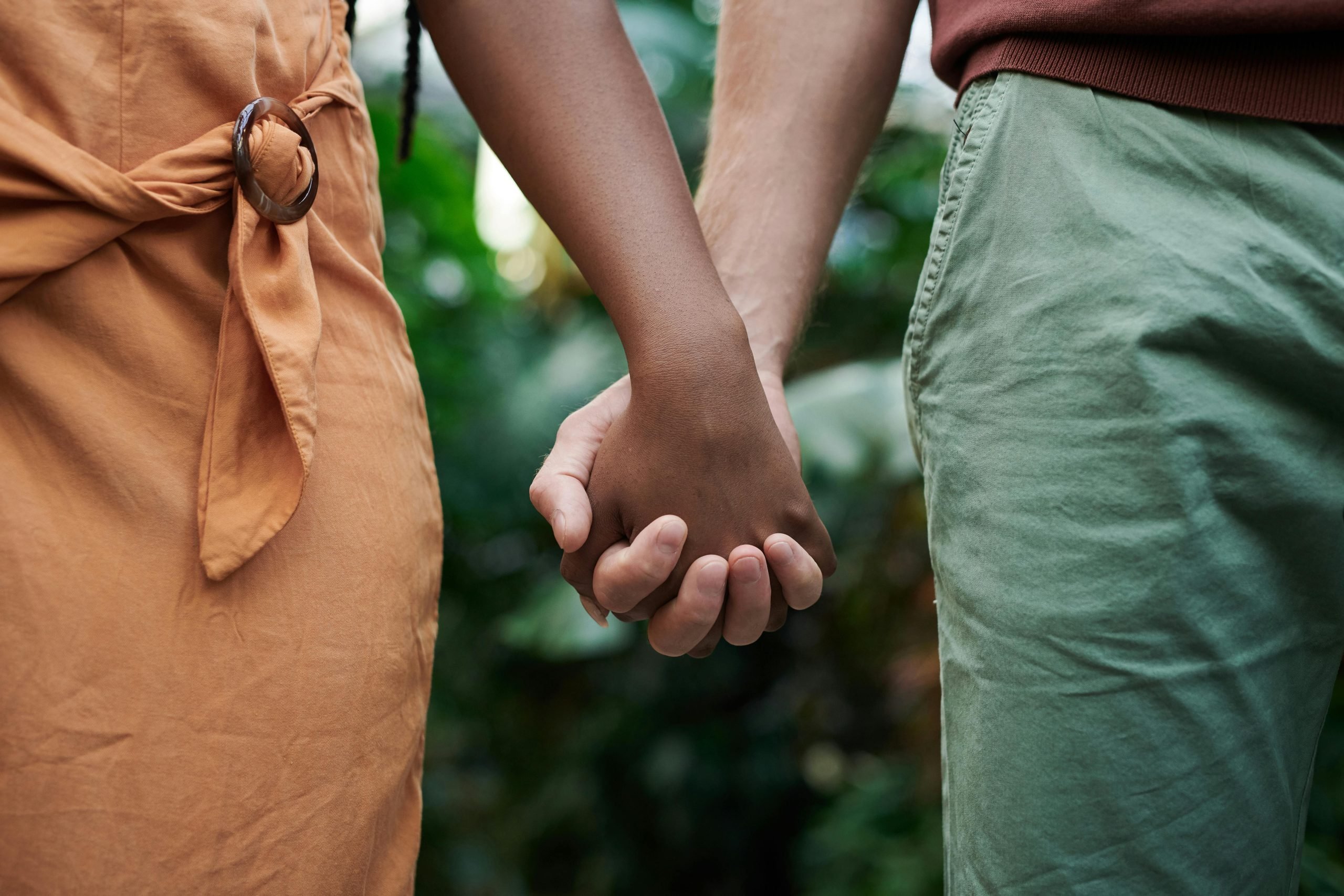
Why Small Town Weather Culture Creates Unique Dating Conditions for Introverts
Dating in a small town like Stonewall is a fundamentally different experience from dating in Winnipeg or any larger city. The pool of potential partners is smaller, which means the social stakes feel higher and the pressure to perform can intensify. For introverts, this cuts two ways.
On one hand, smaller communities tend to value authenticity over novelty. You can’t reinvent yourself every weekend in Stonewall the way you might in a large anonymous city. People know each other, and that sustained familiarity rewards genuine personality over social performance. As an INTJ who spent years trying to match extroverted leadership styles in the advertising world, I can tell you that environments rewarding authenticity feel like oxygen after years of performing. Small town social culture, for all its limitations, often provides exactly that.
On the other hand, the lack of anonymity can feel constraining. Every date is a semi-public event. Every relationship develops under a degree of community awareness. For introverts who need privacy to feel safe opening up, this requires some deliberate management. Choosing lower-profile settings, being comfortable with a slower pace of disclosure, and not letting community visibility pressure you into moving faster than feels natural are all strategies worth considering.
Weather plays directly into this. Winter in particular creates a natural privacy buffer. When it’s cold and dark by 4:30 PM, people stay closer to home and social observation decreases. That seasonal privacy can feel genuinely freeing for introverts who want to build connection without an audience.
The way introverts process and express affection also matters enormously in small town contexts. How introverts show affection through their love language is often more subtle than what small town social norms might expect or celebrate loudly. Recognizing that your way of caring, through consistent presence, thoughtful gestures, and deep listening, is genuinely valuable even when it doesn’t look like the extroverted version of romance is important work.
How Does the Stonewall Manitoba Climate Affect Highly Sensitive People in Relationships?
A significant number of introverts are also highly sensitive people, and the Stonewall climate creates specific conditions worth understanding if you identify with that profile. Highly sensitive people process sensory and emotional information more deeply than average, which means environmental factors like weather, light levels, and seasonal transitions carry more psychological weight.
Manitoba’s winters are characterized by low light, extreme cold, and long periods of reduced outdoor activity. For highly sensitive people, the reduced sensory stimulation of winter can be grounding rather than depressing, provided they’re intentional about maintaining emotional connection and meaningful activity. The risk is that isolation becomes avoidance, and what starts as healthy introvert recharging slides into withdrawal that damages relationships.
The complete dating guide for HSP relationships addresses this balance in depth, but the Stonewall-specific version involves being honest with a partner about your seasonal rhythms. If you know you need more solitude in February than in July, saying so directly prevents misinterpretation. Partners who don’t understand the HSP experience often read seasonal withdrawal as emotional distance or relationship trouble when it’s actually just a weather-driven recharge cycle.
One of the more counterintuitive things I observed managing a team of creatives through a particularly brutal Winnipeg winter, we were doing campaign work for a retail client and the whole office felt the seasonal weight, was that the highly sensitive people on staff often produced their most emotionally resonant work in those low-light months. The same depth of processing that makes winter hard also makes it generative. That’s worth remembering in relationships too. The sensitivity that makes winter difficult is the same sensitivity that makes connection profound.
Conflict management also shifts with the seasons. The compressed indoor living of a Manitoba winter means friction has fewer natural release valves. Handling disagreements peacefully in HSP relationships becomes especially relevant when you’re spending long stretches of time in close quarters with limited opportunity to decompress outdoors. Building in deliberate solitude time, even brief periods of separate activity within a shared space, can prevent the kind of accumulated tension that cold-weather cohabitation sometimes creates.

What Makes Introvert-to-Introvert Relationships Work Differently in Stonewall’s Climate?
Two introverts building a relationship in a cold-climate small town face a specific set of dynamics that deserve honest attention. The shared preference for quieter environments and deeper connection is genuinely compatible with Stonewall’s social texture. Yet, the risk of mutual withdrawal during long winters is real.
I’ve thought about this a lot in the context of my own relationships and what I’ve observed in others. Two introverts who both need significant alone time can easily fall into a pattern where they’re physically present but emotionally parallel, each retreating into their own inner world without maintaining the active connection that relationships require. In a city, external social pressure and opportunity provide natural forcing functions that pull people back into engagement. In Stonewall in February, those external forces are minimal.
The dynamics of when two introverts fall in love include both the deep compatibility of shared introvert values and the specific challenges of maintaining active connection when both partners are naturally inclined toward internal processing. In a cold climate, those challenges intensify during winter months and ease considerably in summer. Knowing that seasonal pattern exists lets couples plan around it rather than being surprised by it.
Practically, this means building in structured connection rituals that don’t depend on external social energy. A weekly shared meal with no phones, a regular walk regardless of temperature (Manitobans have the gear for it), a standing check-in conversation about how each person is actually doing beneath the surface. These rituals feel almost unnecessary in summer when life provides natural connection opportunities. They’re essential in winter.
A useful perspective from 16Personalities on introvert-introvert relationship dynamics highlights that the greatest risk in these pairings isn’t conflict but rather comfortable disconnection, the slow drift that happens when two people who are each fine alone gradually stop actively choosing each other. Cold weather and small town routine can accelerate that drift if couples aren’t paying attention.
How Should Introverts Approach Dating Apps and Online Connection in a Small Manitoba Town?
Online dating in a small town presents a particular set of considerations that weather and geography amplify. In Stonewall, the local dating pool on any app is genuinely small. Most people within a reasonable radius will know each other or share social circles, which changes the calculus of online connection significantly.
For introverts, online dating has genuine appeal. It allows for thoughtful, written communication rather than the pressure of immediate in-person performance. You can take time to craft responses that actually reflect your thinking rather than defaulting to whatever comes out under social pressure. As someone who always processed better in writing than in conversation, I understand the appeal deeply. Some of the most honest communication I managed during my agency years came through email rather than meetings, precisely because writing gave me time to think before speaking.
The honest reality of introverts and online dating is that the medium suits introvert strengths while creating its own specific challenges, particularly the gap between online chemistry and in-person comfort. In a small town context, that gap matters more because moving from online to in-person means entering shared social territory immediately. There’s no urban anonymity buffer.
One approach that works well in small-town Manitoba is expanding the geographic radius of your search deliberately. Winnipeg is 25 minutes south. Portage la Prairie is an hour west. Being willing to drive in good weather, and to meet somewhere in between during winter, opens up the dating pool considerably while still keeping connections within a manageable regional context. Weather becomes a genuine factor in planning first dates, which is actually useful. Suggesting a coffee in Winnipeg when there’s a winter storm warning is a reasonable logistical conversation that also reveals how a potential partner handles the unexpected.
The personality science around introversion and relationship formation is worth understanding before you invest heavily in any dating strategy. A study published through PubMed Central examining personality traits and relationship satisfaction points toward the importance of authentic self-presentation in early relationship formation, something introverts sometimes struggle with when social pressure pushes them toward performed extroversion. Online communication, done honestly, can actually support more authentic early connection than forced in-person small talk.
What Does Emotional Depth Look Like in a Prairie Winter Relationship?
There’s a particular quality to relationships forged through shared winters in places like Stonewall. The cold creates a kind of crucible. You find out quickly whether someone’s presence feels like warmth or like additional weight. That’s not a metaphor, it’s a lived experience anyone who’s spent a Manitoba winter in a relationship will recognize immediately.
Introverts tend to experience love as a slow accumulation of evidence rather than a sudden overwhelming feeling. The process of understanding and working through introvert love feelings often involves a long period of internal processing before anything is expressed outwardly. In a winter climate with long stretches of shared indoor time, that internal processing can happen alongside someone without either person necessarily articulating what’s developing. There’s something genuinely beautiful about that, provided both partners have enough emotional literacy to eventually put words to what they’re feeling.
What I’ve noticed in my own experience, and in watching the relationships of people I’ve worked with over the years, is that introverts often express love through what they notice rather than what they say. Remembering that a partner mentioned being cold and quietly turning up the heat. Noticing that someone is tired before they say so and adjusting plans accordingly. These small acts of attention are a love language in themselves, and they tend to flourish in the contained, observant environment that a Manitoba winter creates.
The psychological research on personality and relationship quality suggests that depth of emotional processing, which introverts tend to have in abundance, correlates with relationship satisfaction over time even when it doesn’t produce the immediate emotional expressiveness that some partners expect. A PubMed Central study examining personality and long-term relationship outcomes supports the idea that depth and consistency of emotional engagement matters more for sustained relationship quality than initial intensity.
Prairie winters test that depth. They also reward it. A relationship that survives and deepens through a Stonewall January has been stress-tested in ways that summer romances simply haven’t. That’s worth something.
How Can Introverts Build a Healthy Dating Life Around Stonewall’s Seasonal Calendar?
Practical strategy matters as much as self-understanding. Knowing you’re an introvert doesn’t automatically produce a fulfilling dating life. You have to build structures that work with your nature rather than against it, and in Stonewall, the seasonal calendar provides a natural framework for doing exactly that.
Late summer and early fall are the highest-value social seasons for meeting new people. Community events, outdoor gatherings, and the general exhale of summer create natural opportunities for low-pressure initial contact. An introvert’s strategy during this window should be presence over performance. Show up to things you genuinely care about rather than forcing yourself into high-energy social situations that drain you. The right connections tend to emerge from genuine shared interest rather than from social grinding.
Winter is better suited to deepening existing connections than to forming new ones. If you’ve met someone in September, a winter of shared indoor time can build genuine intimacy quickly. If you’re starting from zero in January, the social landscape is more challenging. That’s not a reason for despair, it’s just useful information for calibrating expectations and energy.
Spring deserves deliberate attention as a reset point. After a long winter, both you and your social world are ready for something new. Making a conscious effort to expand your social circle slightly in April and May, attending one or two community events you might otherwise skip, can seed connections that develop through summer and into fall.
The broader guidance from Psychology Today’s framework on dating as an introvert emphasizes the importance of choosing environments and activities that allow your genuine personality to emerge rather than suppressing it. In Stonewall’s context, that means leaning into the town’s strengths: community events with clear structure, outdoor activities in good weather, and the particular intimacy that small town life naturally creates when you let it.
One more thing worth saying directly. The common myths about introverts in dating contexts, that they’re cold, disinterested, or emotionally unavailable, are simply wrong. Healthline’s breakdown of introvert and extrovert myths addresses several of these misconceptions clearly, but lived experience is the most persuasive counter-argument. Introverts in Stonewall, or anywhere, bring genuine warmth, deep attention, and lasting loyalty to relationships. The conditions just need to be right for those qualities to surface.

There’s a lot more to explore on this topic. Our complete Introvert Dating and Attraction hub covers the full range of connection patterns, relationship challenges, and practical strategies for introverts building meaningful romantic lives on their own terms.
About the Author
Keith Lacy is an introvert who’s learned to embrace his true self later in life. After 20 years in advertising and marketing leadership, including running agencies and managing Fortune 500 accounts, Keith now channels his experience into helping fellow introverts understand their strengths and build fulfilling careers. As an INTJ, he brings analytical depth and authentic perspective to every article, drawing from both professional expertise and personal growth.
Frequently Asked Questions
Does Stonewall Manitoba weather make it harder for introverts to date?
Not necessarily harder, but different. The long winters concentrate social life into smaller, more intimate settings, which many introverts actually prefer. The challenge is the reduced number of natural opportunities to meet new people during cold months. The advantage is that the connections you do form in winter tend to develop genuine depth quickly because shared indoor time creates sustained closeness rather than brief social encounters.
What is the best season for introverts to pursue dating in Stonewall?
Late summer and early fall offer the best conditions for meeting new people, with community events, outdoor activities, and a generally more open social atmosphere. Winter is better suited to deepening connections already established. Spring functions as a natural reset point where both the social world and individual energy tend to open up after months of cold-weather contraction. Each season has its own value depending on where you are in the relationship process.
How do highly sensitive introverts manage long Manitoba winters in relationships?
Highly sensitive people in relationships during Manitoba winters benefit most from honest communication about seasonal rhythms. Telling a partner directly that you need more solitude in February than in July prevents misreading that withdrawal as emotional distance. Building in deliberate connection rituals, weekly shared meals, regular check-in conversations, and brief outdoor time regardless of temperature, maintains active relationship engagement even when the season pulls toward isolation.
Is online dating a good option for introverts in small Manitoba towns like Stonewall?
Online dating suits introvert strengths well because it allows thoughtful written communication rather than immediate in-person performance pressure. In a small town context, expanding your geographic radius to include Winnipeg and surrounding communities is advisable since the purely local pool is limited. what matters is using online communication to establish genuine connection rather than performing an idealized version of yourself, and being prepared to bridge the gap between online chemistry and in-person comfort when the time comes.
What relationship challenges are unique to two introverts dating in a cold climate like Stonewall?
Two introverts in a cold climate face the specific risk of comfortable disconnection during long winters. When both partners naturally prefer solitude and internal processing, and external social pressure is minimal due to cold weather, it’s easy to drift into parallel existence rather than active partnership. Building structured connection rituals that don’t depend on external social energy, and checking in regularly about the actual state of the relationship beneath the surface, addresses this risk directly and keeps the relationship genuinely alive through winter months.