Three months into my first corporate wellness initiative, I stood in a packed yoga studio with 40 colleagues, surrounded by mirrors on three walls, LED lights bright enough for surgery, and a playlist loud enough to muffle my thoughts. The instructor’s voice bounced off every surface as she walked between mats, adjusting postures and offering what I’m sure were meant to be helpful corrections. Everyone else seemed relaxed. I felt like I was performing.
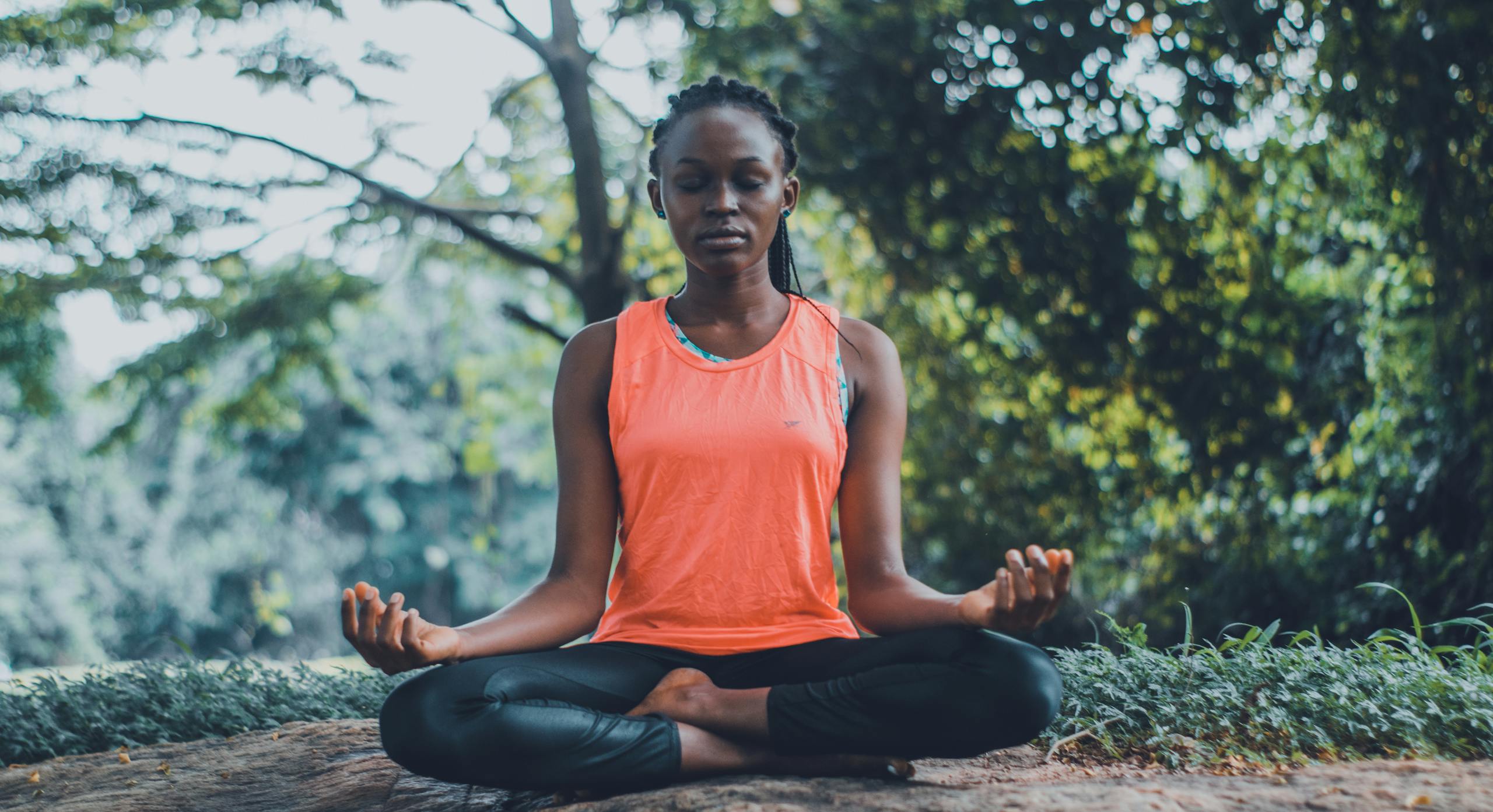
That experience taught me something critical about yoga: the practice works, but the packaging matters. Harvard Medical School findings demonstrate yoga reduces stress by lowering cortisol levels and increasing GABA production in the brain. It strengthens the prefrontal cortex while calming the amygdala. But those benefits depend on one crucial factor: practicing in an environment that supports rather than sabotages your nervous system.
For those of us who recharge through solitude and process internally, traditional group classes often create exactly the conditions we’re trying to escape. That doesn’t make yoga wrong for us. It makes typical studios incompatible with how we’re wired.
Finding the right practice as someone who values quiet requires understanding what drains you in group settings. Our General Introvert Life hub explores this balance between self-care and social demands, and yoga sits precisely at that intersection.
The Group Class Problem Nobody Mentions
During my years managing creative teams, I learned that optimal conditions for focus look different for different people. Some colleagues thrived in open brainstorming sessions. Others produced their best work in quiet corners with headphones. Neither approach was better. They were simply suited to different cognitive styles.
What’s your personality type?
Take our free 40-question assessment and get a detailed personality profile with dimension breakdowns, context analysis, and personalised insights.
Discover Your Type8-12 minutes · 40 questions · Free
Yoga studios typically optimize for extroverted energy. They design for connection, community, and visible participation. That works beautifully for people who gain energy from group dynamics. But according to research published in the International Journal of Yoga, yoga’s primary benefits come from activating the prefrontal cortex while regulating the amygdala. That requires the right environment for your nervous system to shift gears.
When you’re managing social awareness, proximity discomfort, and performance pressure, your brain isn’t relaxing. It’s monitoring.
Why Traditional Studios Overwhelm
Most group yoga classes include several elements that activate rather than soothe an already-stimulated nervous system:

Physical proximity creates constant awareness. Mats placed three feet apart mean you’re perpetually managing spatial boundaries. Someone’s hand enters your peripheral vision during side stretches. Another person’s breathing becomes part of your sensory input. In a 2022 study published in the International Journal of Environmental Research and Public Health, researchers found social anxiety scores dropped by 60.97% when participants practiced in controlled, low-stimulation environments compared to busy studios.
Mirrors multiply self-consciousness. Three walls of mirrors mean three versions of yourself simultaneously visible from different angles. That’s three sources of visual processing competing with internal awareness. Yoga asks you to feel into your body. Mirrors keep redirecting attention outward to appearance and comparison.
Sensory input compounds quickly. Music playing, instructor’s voice amplified, temperature adjusted for 30 bodies generating heat, scented candles or incense, the rustle of clothing and yoga mats. Each element adds to cognitive load. What feels “energizing” to some registers as overstimulating to nervous systems already processing at high levels.
Social obligations extend the energy drain. Arriving early for good spots, managing pre-class small talk, handling post-class conversations near the exit. The actual practice might be 60 minutes, but the total energy expenditure spans 90 minutes or more.
Why Yoga Still Matters
Despite these challenges, yoga offers specific benefits worth pursuing. A comprehensive review in the International Journal of Yoga found regular practice reduces stress hormone levels, improves heart rate variability, and enhances parasympathetic nervous system function. These aren’t minor improvements. They’re measurable changes in how your body responds to daily demands.
Think of yoga as a tool for nervous system regulation. The question isn’t whether to use the tool. It’s how to create conditions where the tool works as designed.
My agency work taught me that systems perform best when environmental factors support rather than fight core objectives. You can’t expect deep creative thinking in a conference room with fluorescent lights and constant interruptions. Similarly, you can’t expect nervous system downregulation in environments that keep triggering alertness.
Home Practice: Creating Your Space
A home yoga practice eliminates most of the sensory complications immediately. You control lighting, temperature, sound levels, and timing. Nobody’s watching. Nothing extends beyond the actual practice time.
Starting requires surprisingly little equipment. A basic mat (under $30), comfortable clothing you already own, and space equivalent to lying down with arms extended. That’s the complete requirement. Props like blocks and straps can help, but you can substitute books and belts initially.
The real advantage isn’t just avoiding others. It’s customizing every element to your preferences. Prefer dim lighting? Your choice. Find music distracting? Practice in silence. Need to pause mid-session to adjust something? No performance pressure to maintain.
I’ve found the same principle applies here that worked managing different team members: optimal conditions vary. Some people focus better with soft background music. Others need complete quiet. Neither approach is wrong. Match the environment to your nervous system, not to someone else’s template. Just as some of the most successful athletes found performance methods that worked specifically for their temperament rather than copying extroverted approaches.
Online Classes vs. Independent Practice
Following Online Instruction
Online platforms offer instruction without the in-person complications. You’re learning from experienced teachers but practicing in your controlled environment. Most platforms let you pause, rewind, or skip sections based on your needs.
Research from The Yoga Institute found that people practicing at home in private environments reported significantly better stress reduction compared to studio participants, primarily because the absence of social monitoring allowed deeper relaxation.
Look for teachers whose instruction style matches your preferences. Some provide detailed anatomical cues. Others focus on breath and sensation. Some use minimal verbal guidance. Sample different approaches until you find what supports your practice rather than adding cognitive load.
Building Independent Practice
After learning basic poses and sequences, independent practice becomes possible. You’re not abandoning instruction entirely, but building autonomy to practice when and how serves you best.
Start with simple sequences you can remember without constant reference. Sun salutations work well because they flow logically and cover major muscle groups. As confidence builds, you’ll develop preferences for poses that feel particularly beneficial.
Success means creating a sustainable practice that actually happens regularly. Recognizing that quiet, solo activities aren’t less valuable than social ones makes this approach feel like preference rather than limitation.
Choosing the Right Yoga Style

Different yoga styles serve different purposes. For nervous system regulation, certain approaches align better with how internal processors work.
Restorative Yoga holds poses for 5-10 minutes using props for complete support. Your body weight settles into the support, triggering parasympathetic activation. Restorative practice prioritizes doing less rather than more, which runs counter to typical exercise culture but perfectly matches the need for downregulation.
Yin Yoga targets connective tissue through 3-5 minute holds in passive stretches. The extended time in each pose creates space for mental settling alongside physical release. Instruction is minimal once you’re in position, allowing internal focus without constant verbal direction.
Hatha Yoga moves more than restorative or yin but maintains a gentle pace with emphasis on breath connection. Poses flow deliberately, giving time to establish each position before transitioning. The balance works well when you want some movement without the rapid pace of vinyasa or power classes.
A 2024 randomized controlled trial published in Frontiers in Public Health found that gentle yoga styles specifically improved autonomic nervous system regulation in ways more vigorous practices didn’t replicate. The slower pace allowed the body’s stress response systems to fully shift into recovery mode.
When Group Classes Actually Work
Group settings aren’t universally problematic. Specific conditions make them manageable:
Early morning classes typically have fewer participants. Seven people spread across a studio creates different energy than 35. Smaller groups mean more personal space and reduced social density.
Specialty restorative studios attract people specifically seeking calm rather than achievement. The culture shifts from performance to rest. Dim lighting, quiet environments, and longer holds in supported poses create conditions closer to home practice.
Private one-on-one sessions eliminate all group dynamics while maintaining expert guidance. Cost is higher, but the targeted instruction and complete environmental control can accelerate learning significantly.
Hybrid approaches let you alternate based on energy levels. Practice at home most of the time. Attend occasional studio classes when you’re specifically seeking the group element rather than tolerating it as a requirement.
Making Yoga Sustainable
Consistency matters more than duration. Fifteen minutes daily creates more benefit than sporadic hour-long sessions. The approach runs counter to gym culture messaging about “real workouts” requiring significant time blocks, but research supports shorter, regular practice for stress management.

Managing teams taught me that sustainable systems beat ambitious plans. The best project timeline is the one team members can actually maintain under real conditions. Same principle applies here. A practice that happens regularly beats an ideal practice that requires perfect circumstances.
Consider what you’ll actually do rather than what sounds impressive. Ten minutes before work might be more realistic than trying to fit in hour-long sessions. Three poses that address your specific tension patterns might serve better than following complete sequences.
Finding sustainable rhythms that match your energy patterns creates long-term success rather than short-term intensity followed by burnout.
Breathing Beyond the Mat
One yoga element transfers immediately to daily life: breath work. The techniques you practice don’t require mats, special clothing, or designated spaces.
Box breathing (four counts in, hold four, four counts out, hold four) activates parasympathetic response within 60-90 seconds. Use it before meetings, during transitions, or when you notice stress building. The physical action directly signals your nervous system to downregulate.
Extended exhales (inhale for four, exhale for six or eight) trigger vagal tone, which regulates heart rate and stress response. This works sitting at your desk, walking between buildings, or lying in bed at night.
These aren’t abstract concepts. They’re portable tools for managing the overstimulation that builds during normal days. That’s yoga’s real value for those of us processing information constantly: it provides concrete methods for interrupting stress cycles before they compound.
Explore more lifestyle resources for managing energy in our complete General Introvert Life Hub.
Frequently Asked Questions
Can I get the same benefits from home practice as studio classes?
Evidence indicates home practice can be equally or more effective for stress reduction, particularly when studio environments create additional stimulation. Success depends on consistent practice rather than location. Online instruction provides guidance without the social complications of in-person classes.
How long should I practice to see stress reduction benefits?
Harvard research demonstrates measurable cortisol reduction after just 12 minutes of yoga practice. Consistency matters more than duration. Daily 10-15 minute sessions produce better results than weekly hour-long practices. Start with what feels sustainable and build from there.
What if I’m not flexible enough for yoga?
Flexibility is a result of yoga, not a prerequisite. Restorative and yin styles use props to support your body at your current range of motion. The practice adapts to you, not the reverse. Improvement happens gradually through regular practice, not by forcing your body into uncomfortable positions.
Is it normal to feel more anxious during group yoga classes?
Completely normal. Group settings create social awareness, proximity management, and performance pressure that can override the calming effects of the practice itself. This isn’t a personal failing. It reflects environmental factors conflicting with your nervous system needs. Home practice eliminates these complications.
How do I know which yoga style to try first?
Start with restorative or yin if stress reduction is your primary goal. These styles prioritize nervous system regulation over physical intensity. Hatha works well if you want moderate movement. Sample different teachers and styles through online platforms to find what feels supportive rather than demanding.
About the Author
Keith Lacy is an introvert who’s learned to embrace his true self later in life. With a background in marketing and a successful career in media and advertising, Keith has worked with some of the world’s biggest brands. As a senior leader in the industry, he has built a wealth of knowledge in marketing strategy. Now, he’s on a mission to educate both introverts and extroverts about the power of introversion and how understanding this personality trait can unlock new levels of productivity, self-awareness, and success.