
Social anxiety doesn’t have to be a permanent condition you simply endure. While severe cases absolutely warrant professional support, a growing body of evidence points to natural approaches that genuinely reduce the fear, avoidance, and physical tension that social situations can trigger. Consistent breathwork, deliberate exposure, sleep regulation, and nervous system practices can meaningfully shift how your brain responds to social threat over time.
What I’ve noticed in my own life, and in conversations with other introverts who’ve wrestled with this, is that the path forward rarely looks like a single cure. It looks more like a collection of small, repeatable practices that slowly change your baseline. And that’s actually encouraging, because it means you have more agency here than you might think.

Before we get into the specific approaches, it’s worth spending a moment on the broader mental health context that shapes all of this. Our Introvert Mental Health Hub covers the full range of emotional and psychological challenges that introverts face, from burnout and overstimulation to anxiety and identity, and this article fits squarely within that conversation. Social anxiety is one piece of a larger picture, and understanding it within that context makes the natural approaches we’ll explore far more effective.
Is Social Anxiety Different From Being Introverted?
This question matters more than most people realize, and getting clear on the distinction can actually change how you approach your own experience.
Introversion is a personality orientation. It describes how you process energy and information, preferring depth over breadth, quiet over noise, reflection over rapid-fire interaction. Social anxiety, by contrast, is a fear response. It’s the nervous system treating social situations as threats, even when no real danger exists. The American Psychological Association draws a clear line between shyness, introversion, and social anxiety disorder, noting that they can overlap but are fundamentally different in origin and mechanism.
Many introverts carry both. I certainly did. For years I assumed my discomfort in large meetings, my dread before presenting to clients, and my tendency to rehearse conversations obsessively were just “introvert things.” Some of it was. But some of it was genuine anxiety, the kind that was costing me energy I didn’t have and opportunities I was quietly avoiding.
A Psychology Today article on introversion and social anxiety captures this well: introverts often prefer solitude, while socially anxious people often want connection but fear the cost. That distinction is important. Knowing which experience is driving your behavior tells you what kind of support you actually need.
If you’re uncertain where you land, the article Social Anxiety Disorder: Clinical vs Personality Traits breaks this down in detail and is worth reading alongside this one.
What Does “Natural” Mean When It Comes to Treating Social Anxiety?
Natural approaches to managing social anxiety generally refer to evidence-based lifestyle, behavioral, and psychological practices that don’t involve medication. That doesn’t mean they’re soft or optional. Some of these methods have significant clinical backing and are recommended by major health institutions as first-line or complementary treatments.
A few important clarifications before we go further. First, “natural” doesn’t mean “instead of therapy.” Cognitive behavioral therapy, in particular, has an exceptionally strong evidence base for social anxiety, and I’ll address that. Second, for those with social anxiety disorder (a clinical diagnosis), natural approaches work best in combination with professional guidance. Harvard Health notes that social anxiety disorder is highly treatable, and that behavioral approaches are central to that treatment. Third, if your anxiety is significantly disrupting your daily life, please don’t try to white-knuckle through it alone. Seeking support is itself a courageous act, not a failure.
With that said, let’s get into what actually works.
How Does Breathwork Actually Reduce Social Anxiety?
Your nervous system doesn’t know the difference between a predator and a networking event. Both can trigger the same fight-or-flight cascade: elevated heart rate, shallow breathing, muscle tension, the urge to flee. Breathwork is one of the most direct ways to interrupt that cascade because it operates on the vagus nerve, the long nerve that connects your brain to your gut and regulates your parasympathetic nervous system.
Extended exhale breathing, specifically making your exhale longer than your inhale, activates the parasympathetic branch and signals safety to your brain. A simple starting point: inhale for four counts, exhale for six or eight. Do this for two to three minutes before a social situation and you’ll often notice a measurable shift in your physical state.
A 2021 study published in PubMed Central found that slow-paced breathing significantly reduced anxiety and improved heart rate variability, a key marker of nervous system flexibility. Heart rate variability matters because it reflects how quickly your body can shift between activation and calm. People with higher variability tend to recover from stress more efficiently.
My own relationship with breathwork started out of desperation, honestly. Running an agency meant constant client presentations, and there was a period where I’d feel my chest tighten the moment I walked into a conference room. Not because I didn’t know the material. I always knew the material. It was the being-watched part, the sense of being evaluated, that my nervous system couldn’t shake. Box breathing, four counts in, hold four, four out, hold four, became something I’d do in the elevator before a big pitch. It didn’t eliminate the anxiety. But it brought me back into my body enough to function from my actual intelligence rather than from fear.
Can Gradual Exposure Help You Overcome Social Fear?
Yes, and this is arguably the most well-supported natural approach available. Exposure therapy, the practice of gradually and repeatedly facing feared situations, is the behavioral backbone of cognitive behavioral therapy for social anxiety. The mechanism is straightforward: your brain learns that the feared outcome doesn’t materialize, and over time, the threat response weakens.
You don’t need a therapist to begin a self-directed version of this, though professional guidance makes it considerably more effective. The principle is to build a hierarchy of feared situations from least to most threatening, then work through them systematically, staying in each situation long enough for your anxiety to peak and begin to naturally subside.
For an introvert, this might look like: making brief small talk with a cashier, then attending a small social gathering, then initiating a conversation with someone new, then speaking up in a meeting, then presenting to a group. Each step builds tolerance. Each completed exposure teaches your brain that you survived, and that the cost was survivable.
What I’ve seen in my own experience is that avoidance feels like relief in the short term but compounds the problem over time. Every meeting I skipped, every networking event I quietly removed from my calendar, reinforced the idea that those situations were genuinely dangerous. It wasn’t until I started showing up anyway, even imperfectly, that the anxiety started to lose its grip.
If your anxiety shows up most intensely in professional settings, the article on Introvert Workplace Anxiety: Managing Professional Stress and Thriving at Work offers practical strategies specifically for that context.
What Role Does Sleep Play in Managing Social Anxiety?
Sleep deprivation and anxiety have a bidirectional relationship that most people underestimate. Poor sleep amplifies the amygdala’s threat response, making you more reactive to social cues and more likely to interpret neutral expressions as hostile or dismissive. It also impairs the prefrontal cortex, the part of your brain responsible for rational evaluation and emotional regulation.
In practical terms, running on six hours of sleep before a high-stakes social situation is a bit like trying to handle a difficult conversation while mildly intoxicated. Your read on the room is off. Your self-monitoring is hyperactive. Your ability to access the calm, grounded version of yourself is significantly reduced.
Prioritizing seven to nine hours of quality sleep isn’t just general wellness advice. For people managing social anxiety, it’s a genuine intervention. Consistent sleep timing, limiting screens before bed, keeping your bedroom cool and dark, and avoiding caffeine after early afternoon are all evidence-based starting points.
During my agency years, late nights were practically a badge of honor. The culture rewarded people who stayed past everyone else, who were always available, who ran on adrenaline and coffee. What I didn’t connect at the time was that my worst anxiety episodes, the ones where I’d spiral before a big client meeting, almost always followed a stretch of poor sleep. Rest wasn’t laziness. It was the infrastructure for everything else.
How Does Exercise Affect Social Anxiety Specifically?
Exercise is one of the most consistently supported natural interventions for anxiety of all kinds, and its effects on social anxiety in particular are worth understanding at a mechanistic level.
Aerobic exercise reduces baseline levels of stress hormones like cortisol and adrenaline. It increases brain-derived neurotrophic factor, which supports neuroplasticity and helps the brain form new associations. It also creates a mild, controlled physiological arousal state, elevated heart rate, increased breathing, muscle activation, that can help desensitize your nervous system to the physical sensations of anxiety. Over time, your body becomes less alarmed by those sensations because it has learned to associate them with something non-threatening.
A 2022 study in PubMed Central examined exercise as an intervention for anxiety disorders and found meaningful reductions in anxiety symptoms with regular moderate-intensity aerobic activity. The threshold for benefit appears to be around 150 minutes of moderate exercise per week, consistent with general physical activity guidelines.
For introverts, the type of exercise matters too. Solo activities like running, cycling, swimming, or hiking tend to be more sustainable because they don’t add social demands on top of a body already managing anxiety. The goal is to build the neurological benefit without creating another situation that triggers the very thing you’re trying to address.
Can Mindfulness and Meditation Actually Change Social Anxiety?
Mindfulness-based approaches have moved well beyond wellness trend territory into genuinely evidence-supported practice. Mindfulness-based stress reduction and mindfulness-based cognitive therapy both have solid clinical backing for anxiety conditions, including social anxiety.
The mechanism is worth understanding. Social anxiety is largely fueled by anticipatory thinking (imagining catastrophic outcomes before an event) and post-event processing (replaying everything that went wrong afterward). Mindfulness interrupts both by training your attention to return to the present moment rather than running anxious simulations of the future or the past.
What makes mindfulness particularly well-suited to introverts is that it works through the exact cognitive strengths many of us already have: introspection, sustained attention, and comfort with internal experience. The practice isn’t about emptying your mind. It’s about observing your thoughts without being controlled by them.
A consistent ten-to-twenty minute daily practice, even using a simple app like Insight Timer or a body scan technique, can meaningfully shift your relationship with anxious thoughts over several weeks. The shift isn’t dramatic at first. It’s more like noticing that you’re having an anxious thought and choosing not to follow it all the way down the spiral.
As someone who processes the world through layers of observation and internal analysis, I found mindfulness uncomfortable at first. My mind didn’t want to stay still. It wanted to plan, evaluate, and anticipate. What I eventually realized was that the discomfort itself was the practice. Sitting with uncertainty, with unresolved tension, with the simple fact of being present in a moment I couldn’t control, that was the work. And it transferred directly into social situations where I’d previously felt overwhelmed.
What Environmental Changes Support Natural Anxiety Reduction?
Your physical environment has a more significant impact on your anxiety baseline than most people account for. For introverts, and especially for those who are highly sensitive, environmental inputs like light, noise, temperature, and sensory stimulation can either deplete or restore your nervous system’s capacity to handle social demands.
Creating intentional recovery spaces at home, limiting exposure to harsh lighting or chronic background noise, and building in genuine quiet time between social commitments aren’t indulgences. They’re maintenance. Think of it like keeping your phone charged. You wouldn’t expect your phone to perform well at 3% battery. Your nervous system works the same way.
For those who identify as highly sensitive, this layer of environmental management is even more critical. The article on HSP Sensory Overwhelm: Environmental Solutions goes into specific, practical detail on how to structure your environment to reduce baseline overwhelm, which directly supports your capacity to handle social situations.
Nature exposure also deserves mention here. Spending time in natural settings, even brief walks in parks, has been shown to reduce cortisol levels and restore directed attention capacity. For introverts managing social anxiety, nature offers a form of restorative experience that doesn’t require social performance. It’s genuinely replenishing in a way that most other activities aren’t.
Should Introverts Consider Therapy for Social Anxiety?
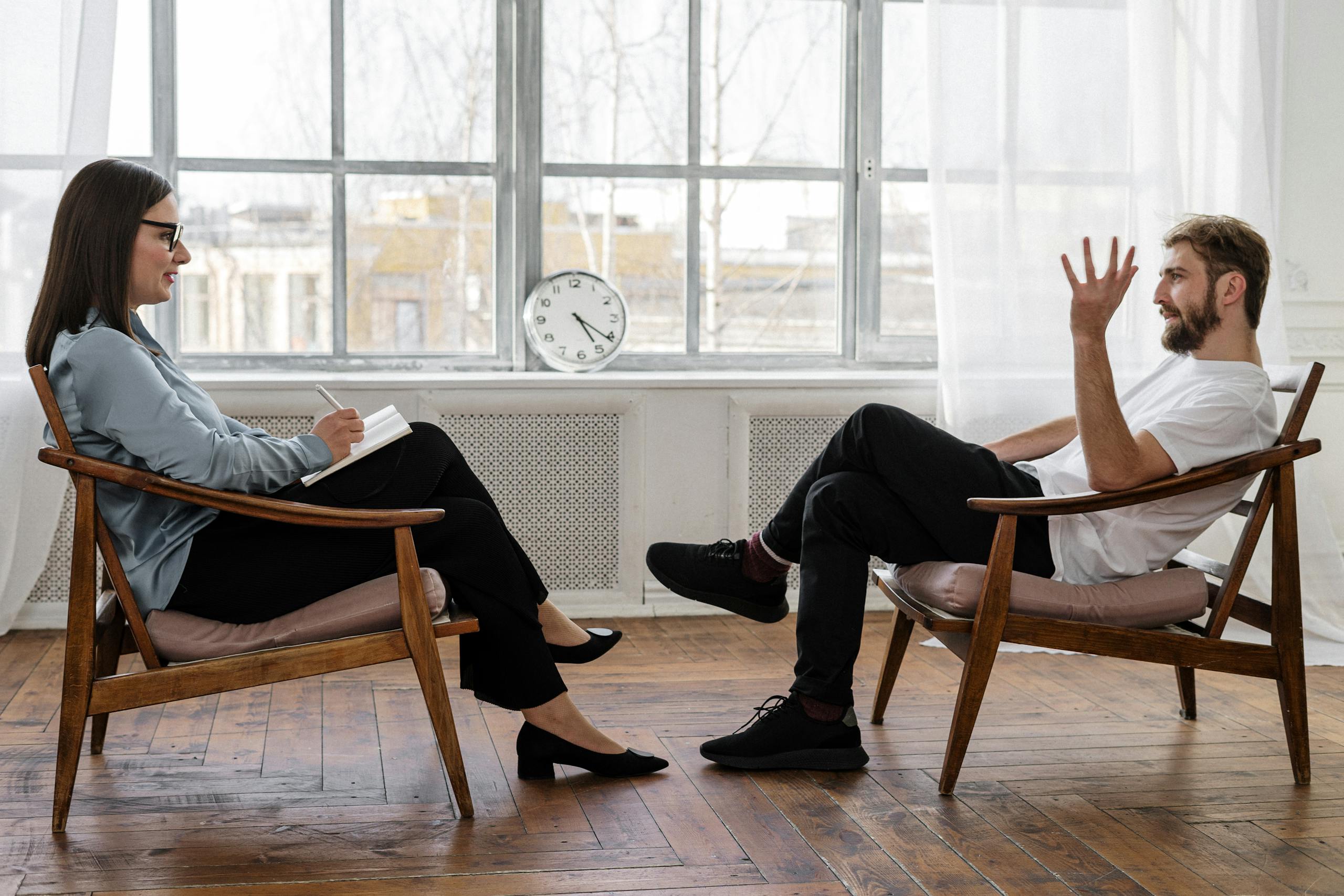
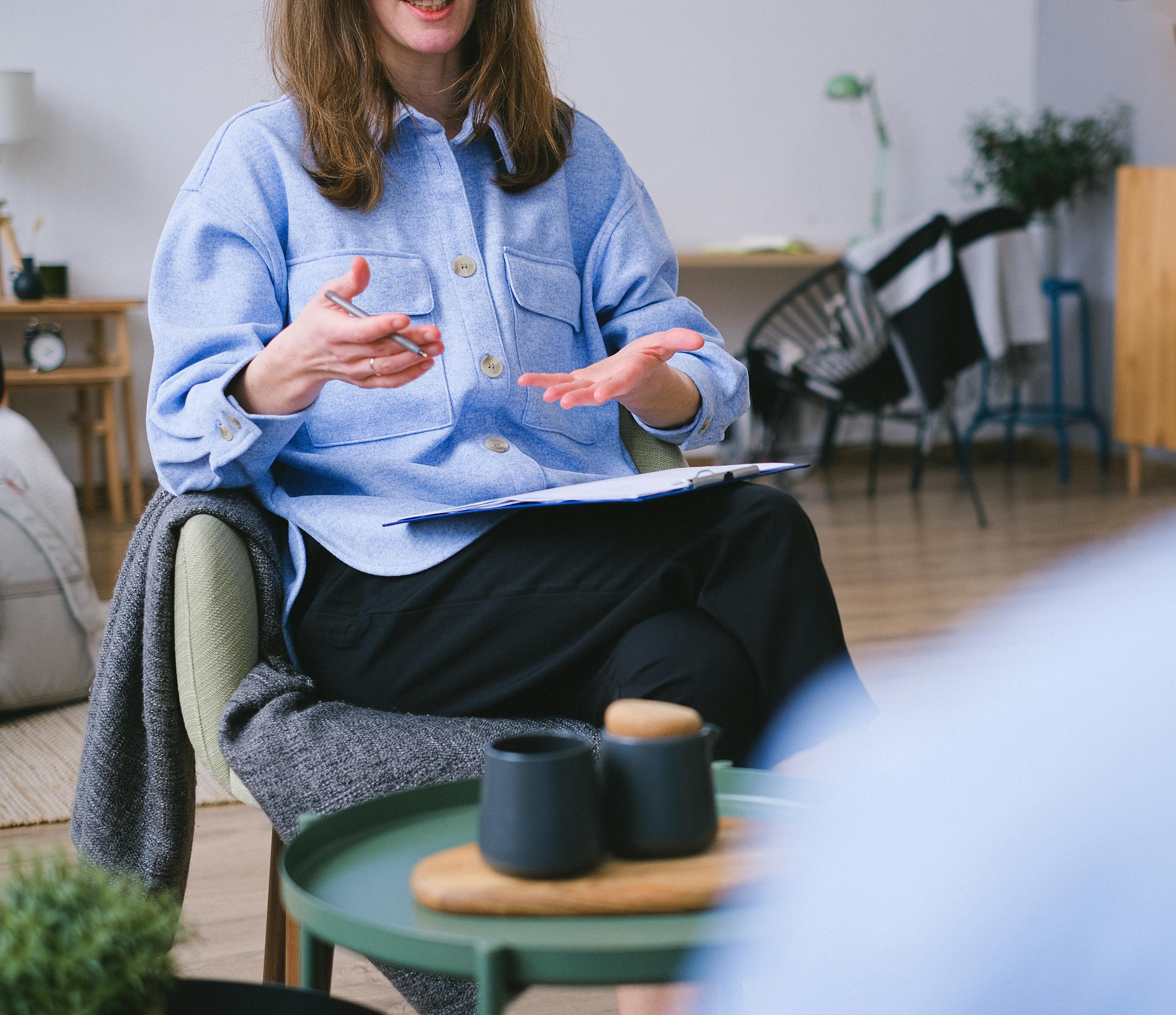
Therapy isn’t the opposite of natural approaches. For many people, it’s the most effective natural approach available. Cognitive behavioral therapy in particular works by changing the thought patterns and behavioral responses that maintain social anxiety, without medication.
The American Psychological Association identifies CBT as one of the most effective treatments for anxiety disorders, and social anxiety disorder specifically responds well to exposure-based CBT. Acceptance and Commitment Therapy (ACT) is another evidence-based option that many introverts find particularly aligned with their cognitive style, since it focuses on clarifying values and taking action in their service, rather than trying to eliminate anxious thoughts entirely.
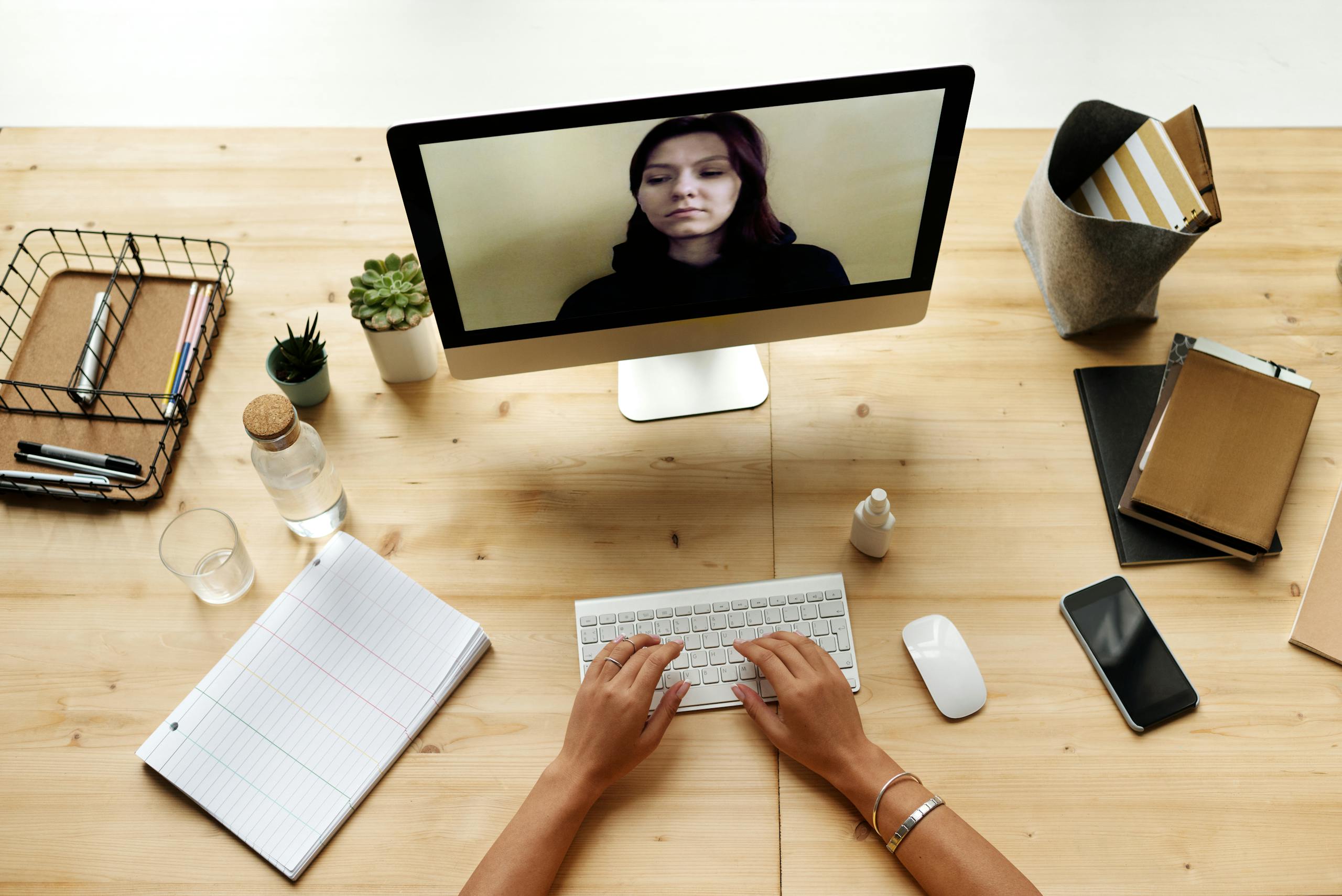
Many introverts avoid therapy because the traditional format, face-to-face sessions in an unfamiliar space, can feel like its own anxiety trigger. That’s a real barrier, and it’s worth knowing there are alternatives. Online therapy, text-based therapy, and therapists who specialize in introversion and anxiety can make the experience significantly more accessible. The article on Therapy for Introverts: Finding the Right Approach covers how to find a format and practitioner that actually fits your personality.
My own experience with therapy came later than it should have. I’d spent years managing anxiety through sheer willpower and strategic avoidance, which worked just well enough to keep me functional but not well enough to actually feel free. What therapy gave me wasn’t a cure exactly. It gave me a vocabulary for what was happening inside me, and a set of tools that made the natural approaches I was already using significantly more effective.
How Do Nutrition and Gut Health Connect to Social Anxiety?
The gut-brain connection is a legitimate area of emerging research, and while the science is still developing, there’s enough evidence to make dietary factors worth considering as part of a comprehensive natural approach.
The gut produces a significant portion of the body’s serotonin, and the vagus nerve creates a direct communication channel between gut health and brain function. Chronic inflammation, often linked to highly processed diets, sugar, and alcohol, can amplify anxiety symptoms. Conversely, diets rich in omega-3 fatty acids, fermented foods, leafy greens, and whole grains appear to support both gut microbiome diversity and mood regulation.
Caffeine deserves specific attention here. Caffeine is an adenosine blocker and a central nervous system stimulant. For people with anxiety, it can directly amplify the physical sensations of anxiety: heart racing, shallow breathing, heightened alertness. If you’re someone who relies on coffee to get through social situations, it’s worth experimenting with reducing your intake and observing whether your baseline anxiety shifts.
Alcohol is similarly worth examining. Many people use alcohol as a social lubricant, and it does reduce inhibition in the short term. But alcohol disrupts sleep architecture, increases baseline anxiety the following day through rebound effects, and over time can actually worsen social anxiety by reinforcing the belief that you can’t handle social situations without chemical support.
What Does Managing Social Anxiety Look Like in Everyday Life?
The gap between knowing what helps and actually doing it consistently is where most people get stuck. So let me be specific about what a sustainable daily practice can look like, drawn from what’s worked for me and what the evidence supports.
Morning: Ten to fifteen minutes of quiet time before engaging with screens or other people. This isn’t meditation necessarily. It might be journaling, a slow cup of coffee, or simply sitting without input. For introverts, starting the day with internal grounding rather than immediate external demands sets a very different nervous system baseline for what follows.
Movement: Some form of aerobic exercise at least four days a week. It doesn’t have to be intense. A thirty-minute brisk walk counts. Consistency matters far more than intensity.
Social preparation: Before high-demand social situations, a brief breathwork practice. Two to three minutes of extended exhale breathing. Not to eliminate anxiety, but to shift your physiological starting point before you walk in.
Post-social recovery: Intentional quiet time after socially demanding events. Not as a reward for surviving, but as a genuine physiological necessity. Introverts process social experience internally, and that processing takes time and space.
Understanding your own mental health needs as an introvert is foundational to all of this. The article Introvert Mental Health: Understanding Your Needs is a good starting point if you want to get clearer on what your specific nervous system requires to function well.
One specific practice I’ve found surprisingly effective is what I’d call “social post-mortems with compassion.” After a difficult social interaction, I used to replay everything I’d said wrong, every awkward pause, every moment I’d failed to be witty or smooth. That replay was its own form of self-torture, and it reinforced the anxiety for the next time. Replacing that habit with a more balanced review, noting what went reasonably well alongside what felt hard, took deliberate effort. But it changed the emotional residue those situations left behind.
Can Travel Help or Hurt Social Anxiety?
Travel is an interesting case because it can go either way depending on how you approach it. New environments, unfamiliar social norms, and the unpredictability of travel can amplify anxiety for people who are already sensitive to social threat. At the same time, travel offers something genuinely therapeutic: the chance to engage with strangers in low-stakes, temporary interactions where the social stakes feel different than they do at home.
Many introverts find that they’re actually more socially at ease when traveling, partly because the interactions are bounded (you’ll likely never see this person again) and partly because the novelty of a new environment overrides some of the habitual anxiety patterns that feel automatic at home.
If travel itself triggers anxiety, the article on Introvert Travel: 12 Proven Strategies to Overcome Travel Anxiety and Explore With Confidence offers specific strategies for making travel feel manageable rather than overwhelming.

What’s the Honest Truth About “Curing” Social Anxiety?
Here’s where I want to be straightforward with you, because I think the framing of “cure” can actually work against people who are trying to make genuine progress.
Social anxiety rarely disappears entirely, especially for introverts whose nervous systems are genuinely calibrated toward careful threat detection and internal processing. What changes, through consistent practice and sometimes professional support, is the intensity of the anxiety, your relationship with it, and critically, your behavior in spite of it.
success doesn’t mean become someone who breezes through networking events with effortless confidence. That’s not your personality, and pretending it is would cost you more than the anxiety ever did. The goal is to expand your range, to be able to show up for the social situations that matter to you, to speak up when you have something worth saying, to connect with people you genuinely want in your life, without being hijacked by fear every time.
There’s a meaningful difference between managing anxiety and living a smaller life to avoid it. One of those paths leads somewhere. The other just delays the problem while shrinking your world.
I spent a lot of years in the second camp. Choosing the smaller room, the safer option, the path with fewer people watching. What I’ve learned, slowly and imperfectly, is that the discomfort of showing up is almost always less costly than the quiet regret of staying hidden. And the natural approaches in this article aren’t about eliminating that discomfort. They’re about building enough internal capacity that the discomfort no longer gets to make your decisions for you.
There’s much more to explore across the full spectrum of introvert mental health, including anxiety, identity, burnout, and the specific emotional needs that come with being wired the way we are. Our complete Introvert Mental Health Hub brings all of that together in one place, and it’s worth bookmarking if this article resonated with you.
About the Author
Keith Lacy is an introvert who’s learned to embrace his true self later in life. After 20 years in advertising and marketing leadership, including running agencies and managing Fortune 500 accounts, Keith now channels his experience into helping fellow introverts understand their strengths and build fulfilling careers. As an INTJ, he brings analytical depth and authentic perspective to every article, drawing from both professional expertise and personal growth.
Frequently Asked Questions
Can social anxiety really be reduced without medication?
Yes, for many people it can. Cognitive behavioral therapy, regular aerobic exercise, breathwork, mindfulness practice, and sleep regulation all have meaningful clinical support as natural interventions for social anxiety. Medication can be helpful, particularly for severe cases, but it isn’t the only path. A 2022 study in PubMed Central found that regular moderate-intensity exercise produced significant reductions in anxiety symptoms. Harvard Health similarly notes that behavioral approaches are central to treating social anxiety disorder. The effectiveness of natural approaches depends on the severity of the anxiety and the consistency of the practice.
Is social anxiety the same as being an introvert?
No, though they often co-exist. Introversion is a personality trait describing how you process energy and information. Social anxiety is a fear response in which social situations trigger threat signals in the nervous system, even when no real danger is present. The American Psychological Association draws a clear distinction between introversion, shyness, and social anxiety disorder. An introvert may prefer quiet and solitude without experiencing anxiety. A socially anxious person may desperately want social connection but be held back by fear. Many introverts carry both, which is why understanding the distinction matters for choosing the right kind of support.
How long does it take for natural approaches to reduce social anxiety?
It varies significantly depending on the person, the severity of the anxiety, and the consistency of the practice. Breathwork can produce noticeable effects within a single session. Exercise benefits tend to accumulate over several weeks of consistent practice. Mindfulness research generally shows meaningful shifts after eight weeks of daily practice. Exposure-based approaches, working gradually through feared situations, typically require several months before the anxiety response measurably weakens. The honest answer is that natural approaches require patience and consistency. They’re not quick fixes, but the changes they produce tend to be more durable than short-term coping strategies.
What’s the best breathing technique for social anxiety?
Extended exhale breathing is the most consistently supported technique for acute anxiety reduction. The principle is simple: make your exhale longer than your inhale. A common approach is to inhale for four counts and exhale for six to eight counts. Box breathing, four counts in, hold four, four out, hold four, is another effective option. Both work by activating the parasympathetic nervous system through the vagus nerve, signaling safety to the brain and reducing the physiological arousal of anxiety. A 2021 PubMed Central study found that slow-paced breathing significantly reduced anxiety and improved heart rate variability. Practice these techniques regularly, not just in crisis moments, to build their effectiveness over time.
When should someone seek professional help for social anxiety rather than trying natural approaches alone?
Professional support is worth seeking when social anxiety is significantly disrupting your daily functioning, causing you to avoid situations that matter to your work or relationships, or producing distress that feels unmanageable on your own. Social anxiety disorder is a clinical condition, and the American Psychological Association identifies cognitive behavioral therapy as one of the most effective treatments available. Natural approaches work well as complements to professional support, and for mild to moderate anxiety, they may be sufficient on their own. But if your anxiety has been present for a long time, is worsening, or is costing you meaningful opportunities in your life, working with a therapist who understands introversion and anxiety is a genuinely worthwhile investment.