

The Moose Knuckles authenticity code is a quiet philosophy hiding inside a loud brand. At its core, it’s about owning who you are without apology, stripping away performance, and choosing substance over spectacle. For introverts who’ve spent years shrinking themselves to fit extroverted expectations, that message lands differently than it might for everyone else.
My first real encounter with this idea didn’t happen in a boutique. It happened in a boardroom in Chicago, sometime around my twelfth year running an agency, when a client told me I needed to “project more energy” in presentations. I remember sitting in my car afterward, genuinely wondering if there was something broken in me. There wasn’t. I just hadn’t found my own code yet.
What follows is my attempt to connect the dots between a brand philosophy built on unapologetic authenticity and the very real work introverts do every day to stop performing and start living from the inside out.

Much of what I write about on this site connects back to a central truth: introverts recharge through solitude, self-care, and intentional living. If you’re new here, the Solitude, Self-Care and Recharging hub is a good place to orient yourself. It holds everything from daily practices to recovery strategies, and it’s the foundation beneath this conversation about authenticity.
What Is the Moose Knuckles Authenticity Code, Really?
Moose Knuckles is a Canadian outerwear brand that built its identity around a specific kind of defiance. Not the loud, performative kind. The quiet, grounded kind. Their messaging consistently returns to the idea that authenticity isn’t a marketing angle, it’s a survival strategy. You wear what protects you. You say what you mean. You don’t dress for the crowd.
That framing resonates with me as an INTJ, because it maps almost perfectly onto how I experience integrity. I’m not wired to perform warmth I don’t feel or enthusiasm I haven’t earned. My brand of authenticity is quieter, more deliberate, and often misread as coldness by people who equate loudness with sincerity. The Moose Knuckles code, as I read it, doesn’t ask you to be louder. It asks you to be truer.
There’s something worth sitting with in that distinction. Authenticity for introverts isn’t about broadcasting more. It’s about broadcasting accurately. It’s about closing the gap between how you present yourself and who you actually are when no one’s watching.
Why Do Introverts Struggle So Much With Authentic Self-Expression?
The honest answer is that most of us were trained out of it early. I grew up in environments, and later worked in industries, that rewarded extroverted expression. Advertising is not a field that celebrates the quiet thinker. It celebrates the pitch, the room, the energy. So I learned to perform.
By the time I was running my own agency, I had developed a whole presentation persona that bore some resemblance to me but wasn’t quite me. Louder. More emphatic. More willing to fill silence. Clients seemed to respond to it. But I’d come home depleted in a way that went deeper than tiredness. It was the exhaustion of having been someone else all day.
That kind of chronic self-suppression has real costs. Frontiers in Psychology has published work on how sustained inauthenticity in social and professional settings correlates with elevated stress and reduced wellbeing. It’s not just uncomfortable. Over time, it erodes something essential.
For highly sensitive introverts, the cost is even higher. People who process the world at a deeper level, noticing subtle shifts in tone, reading the emotional temperature of a room, absorbing more information per interaction, burn through their reserves faster when they’re also managing a performance on top of all that processing. The gap between authentic self and presented self becomes a kind of constant cognitive tax.

I’ve written before about what happens when introverts don’t get adequate recovery time, and it connects directly to this. What happens when introverts don’t get alone time isn’t just fatigue. It’s a gradual loss of access to your own inner voice, which is precisely the voice authenticity requires.
How Does Solitude Create the Conditions for Authentic Living?
You can’t know who you are if you’re never alone with yourself. That sounds simple, but it’s surprisingly easy to avoid. Especially when the world offers endless noise to fill every quiet moment.
I spent a lot of years avoiding solitude without realizing that’s what I was doing. My schedule was always full. There was always a call to take, a deck to review, a client dinner to attend. I told myself I was productive. What I was actually doing was staying in motion so I wouldn’t have to sit with the discomfort of not knowing who I was beneath all the agency CEO performance.
Solitude isn’t just rest. It’s the conditions under which self-knowledge becomes possible. Berkeley’s Greater Good Science Center has explored how time alone supports not just creativity but the kind of internal clarity that makes authentic action possible. When you stop performing for an audience, even an imaginary one, you start to hear what you actually think.
For introverts, this isn’t a luxury. It’s a necessity. The essential need for alone time that many highly sensitive people experience isn’t self-indulgence. It’s the maintenance work required to stay connected to your own signal in a world that constantly broadcasts other people’s frequencies.
My own practice shifted when I started treating my solo mornings the way I treated client commitments: non-negotiable. An hour before anyone else was awake, no phone, no email, just coffee and thinking. Some mornings I’d write. Some mornings I’d just sit. But I started noticing, over weeks and then months, that I was making decisions from a clearer place. Less reactive. More grounded in what I actually valued rather than what I thought others expected.
What Does Authentic Self-Care Look Like for Introverts?
The Moose Knuckles brand leans into functionality. The coat does what a coat is supposed to do, without decoration for its own sake. Introvert self-care works the same way. It should actually restore you, not just check a box on a wellness list.
I’ve watched people, including former colleagues of mine, adopt self-care practices that were more about signaling wellness than actually achieving it. The meditation app they opened twice. The yoga class they attended because it seemed like the right thing to do. The weekend retreat that left them more exhausted than when they arrived because it was full of group activities and forced vulnerability with strangers.
Authentic self-care for introverts is personalized and protective. Essential daily practices for HSPs tend to emphasize consistency over intensity, quiet rituals over dramatic interventions. That matches my experience. The practices that have actually sustained me over the years are unremarkable to look at from the outside. A morning walk. A reading hour. Cooking a meal without background noise. These aren’t Instagram-worthy. They work.

Sleep is another place where authenticity and self-care intersect in ways that often go unacknowledged. Introverts and highly sensitive people frequently struggle with sleep because the processing doesn’t stop when the day does. The mind keeps running through conversations, decisions, and observations long after the body has gone horizontal. Rest and recovery strategies for HSPs address this directly, and getting sleep right is foundational to everything else. You can’t access your authentic self when you’re running on insufficient recovery.
There’s also a physical dimension to authentic self-care that I think introverts sometimes undervalue. Moving your body, particularly in ways that don’t require social performance, matters more than most productivity frameworks acknowledge. A long walk alone in a park isn’t just exercise. It’s a recalibration.
How Does Nature Fit Into the Authenticity Practice?
One thing the Moose Knuckles brand gets right is the relationship between humans and the natural world. Their aesthetic is rooted in the Canadian wilderness, in cold air and open space and the kind of silence that makes you feel small in the best possible way. That resonates with something I’ve come to understand about my own psychology.
Nature doesn’t require performance. It doesn’t evaluate you. It doesn’t have expectations about your energy level or your social output. For an introvert who spends most of their working life managing how they’re perceived, that absence of judgment is genuinely restorative in a way that’s hard to articulate but easy to feel.
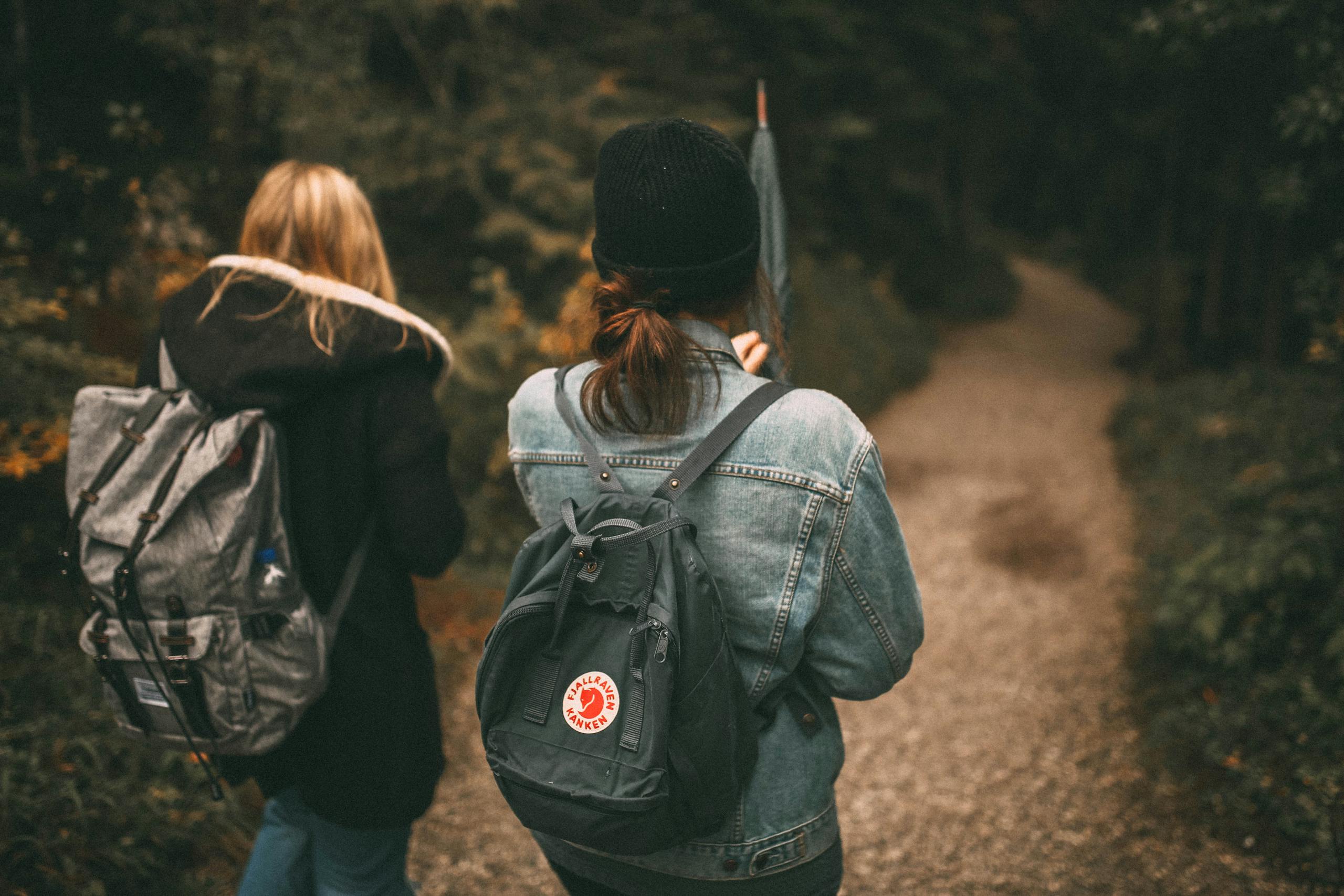
The healing power of the outdoors for highly sensitive people is well-documented in the HSP community, and it aligns with what I’ve found personally. Some of my clearest thinking has happened on trails, not in conference rooms. Some of my most honest conversations with myself have happened with no one else around for miles.
There’s something about natural environments that seems to lower the activation threshold for authentic thought. The sensory input is complex but not demanding. The pace is slow enough to match how introverts actually process. Research published in PubMed Central points to the psychological benefits of time in natural settings, including reduced stress markers and improved mood regulation, both of which create better conditions for the kind of self-reflection that authenticity requires.
Is Authentic Alone Time Different From Loneliness?
This is a distinction worth making clearly, because people who don’t understand introversion often conflate the two. Chosen solitude and unwanted isolation are entirely different psychological experiences, even if they look similar from the outside.
When I take a Saturday morning alone, deliberately, intentionally, without obligation, I come back to the world more connected to myself and more genuinely available to the people I care about. That’s the opposite of loneliness. Loneliness is the pain of disconnection. Chosen solitude is the practice of connection with your own inner life.
Harvard Health draws a meaningful distinction between loneliness and isolation, noting that the subjective experience of being alone matters far more than the objective fact of aloneness. Introverts who choose solitude are not lonely. They’re resourceful.
That said, the CDC’s work on social connectedness reminds us that genuine isolation, the kind that’s not chosen and not restorative, carries real health risks. The distinction matters. Introverts need to be honest with themselves about which kind of alone time they’re practicing.
I’ve been on the wrong side of that line a few times. There were stretches during particularly difficult agency years when I withdrew not because I was recharging but because I was avoiding. Avoiding conflict, avoiding feedback, avoiding the discomfort of being seen struggling. That kind of isolation felt nothing like solitude. It felt like hiding. And hiding is the opposite of authenticity.
What Can Mac-Level Solitude Teach Us About Authentic Recovery?
There’s a concept I’ve explored on this site that I think of as deep-dive alone time, the kind of extended solitude that goes beyond a quiet morning and becomes something more immersive. Mac alone time captures something important about what happens when introverts give themselves extended, uninterrupted space. It’s not just rest. It’s a kind of reset that reaches deeper than surface fatigue.
I’ve had a few of those experiences. A week-long solo trip to a rented cabin in Vermont, years ago, where I had no agenda and no client calls. By day three I felt genuinely strange, unmoored in a way that made me realize how much of my identity had been wrapped up in being needed and being busy. By day five something loosened. I started thinking about what I actually wanted, not what the agency needed, not what clients expected, but what I, Keith Lacy, the person underneath the CEO role, actually wanted from my life.
That trip didn’t produce any dramatic revelations. It produced something quieter and more durable: a clearer sense of my own preferences, values, and limits. Which is, I think, what the Moose Knuckles authenticity code is really pointing toward. Not a dramatic reinvention. A steady, honest relationship with who you actually are.
How Do Introverts Build Authenticity Into Everyday Life?
Authenticity isn’t a destination. It’s a practice, and like most practices, it’s built through small, consistent choices rather than grand gestures.
For me, the most reliable anchor has been protecting my recovery time with the same seriousness I brought to client commitments. When I started treating my recharge time as non-negotiable rather than optional, something shifted in how I showed up everywhere else. I was less reactive in difficult conversations. More willing to hold a position under pressure. More comfortable saying “I need to think about that” instead of performing a confident answer I hadn’t fully formed.
That last one is worth dwelling on. Introverts often perform certainty they don’t feel because the alternative, admitting you need time to process, seems like weakness in extroverted environments. But it’s actually a form of integrity. Saying “I’ll come back to you on that” when you genuinely need to process is more honest, and in the end more useful, than a confident answer that hasn’t been thought through.
Psychology Today’s coverage of solitude and health makes the case that regular time alone supports better emotional regulation, which in turn supports more authentic interpersonal behavior. You’re less likely to say things you don’t mean when you’ve had space to know what you actually mean.
Another piece of this is learning to recognize the environments where you naturally show up most authentically, and deliberately spending more time in them. I do my best thinking in writing, not in real-time verbal exchange. Once I accepted that and started structuring my professional interactions accordingly, sending a thoughtful email instead of calling, preparing notes before meetings instead of winging it, my contributions improved and so did my sense of integrity in the work.
Solo experiences in general tend to support this kind of authentic self-discovery. Psychology Today’s exploration of solo travel touches on how experiences undertaken alone, without the social negotiation of group dynamics, often produce a clearer sense of personal preference and identity. You find out what you actually enjoy when no one else’s enjoyment is part of the equation.

What Does Authentic Introvert Living Actually Produce?
consider this I’ve noticed in myself and in the introverts I’ve worked alongside over the years: when people stop performing and start living from a genuine internal center, the quality of everything they produce improves. Not because they suddenly become more extroverted or more energetic. Because they stop wasting energy on the performance and redirect it toward the work.
One of the most talented creative directors I ever hired was an introvert who had spent years trying to match the energy of louder colleagues. When she finally stopped doing that, when she started leading in her own quiet, deeply considered way, the work her team produced became remarkable. She wasn’t performing confidence anymore. She was exercising it.
PubMed Central research on personality and wellbeing supports the broader point that alignment between internal experience and external expression is a meaningful predictor of psychological health. Living authentically isn’t just philosophically appealing. It has measurable effects on how you feel and function.
The Moose Knuckles authenticity code, stripped of its branding, is really just an argument for that alignment. Wear what protects you. Be what you actually are. Stop performing for an audience that isn’t paying as much attention as you think they are.
For introverts, that message is both permission and practice. Permission to stop trying to be louder, faster, more immediately available, more energetically present. And practice in the daily, unglamorous work of staying honest with yourself about what you need and who you are.
The full range of that practice, from daily rituals to recovery strategies to the deeper work of solitude, is what the Solitude, Self-Care and Recharging hub is built around. If this conversation has opened something for you, that’s a good place to keep going.
About the Author
Keith Lacy is an introvert who’s learned to embrace his true self later in life. After 20 years in advertising and marketing leadership, including running agencies and managing Fortune 500 accounts, Keith now channels his experience into helping fellow introverts understand their strengths and build fulfilling careers. As an INTJ, he brings analytical depth and authentic perspective to every article, drawing from both professional expertise and personal growth.
Frequently Asked Questions
What is the Moose Knuckles authenticity code?
The Moose Knuckles authenticity code is a brand philosophy centered on unapologetic self-expression, choosing substance over performance, and living in alignment with your actual values rather than external expectations. For introverts, it serves as a useful framework for understanding why authenticity requires protecting your inner life and resisting pressure to perform extroversion you don’t feel.
Why is authenticity harder for introverts than for extroverts?
Many introverts grew up in environments that rewarded extroverted behavior, which means they often developed performance habits early on. Workplaces, social settings, and cultural norms frequently equate loudness with confidence and visibility with competence. Introverts who internalize those standards spend significant energy performing a version of themselves that doesn’t match their actual wiring, which creates a persistent gap between authentic self and presented self.
How does solitude support authentic living for introverts?
Solitude creates the conditions under which self-knowledge becomes possible. When introverts have regular, uninterrupted time alone, they can hear their own thinking more clearly, separate their genuine preferences from absorbed expectations, and make decisions from a grounded internal center rather than from a reactive or performative place. Without adequate alone time, the authentic self becomes harder to access.
What is the difference between chosen solitude and loneliness for introverts?
Chosen solitude is an intentional, restorative practice that leaves introverts feeling more connected to themselves and more genuinely available to others. Loneliness is the painful experience of unwanted disconnection. The same physical circumstance, being alone, produces entirely different psychological outcomes depending on whether it’s chosen or imposed. Introverts who practice authentic solitude are not lonely. They are engaged in necessary maintenance of their inner life.
What are practical ways introverts can live more authentically every day?
Practical authenticity for introverts includes protecting recovery time as a non-negotiable commitment, structuring professional interactions to play to introvert strengths such as written communication and prepared contributions, spending more time in environments where authentic self-expression comes naturally, and building consistent daily practices that restore rather than deplete. Small, repeatable habits tend to produce more durable authenticity than dramatic one-time gestures.