

Being a homebody is not a personality flaw or a fear of the world. At its core, homebody psychology describes a genuine orientation toward home as a source of restoration, meaning, and identity, one that many introverts experience as a fundamental part of who they are. People who identify as homebodies tend to draw real psychological nourishment from their domestic spaces, finding that time at home replenishes rather than limits them.
Contrast that with the cultural story most of us grew up hearing: that ambition means going out, staying busy, and filling every weekend with social events. For years, I believed that story. Running advertising agencies, I kept a calendar packed with client dinners, industry conferences, and networking events because that was what successful leaders were supposed to do. It took me longer than I care to admit to recognize that I was running on empty, not because the work was wrong, but because I was fighting my own wiring.
What I eventually understood about myself connects directly to what psychology tells us about homebodies: choosing home is not avoidance. It is a meaningful, healthy, and often deeply intentional way of living.
If you want to explore how your home environment shapes your inner life as an introvert, our Introvert Home Environment hub covers the full range of how sensitive, introspective people relate to the spaces they inhabit.
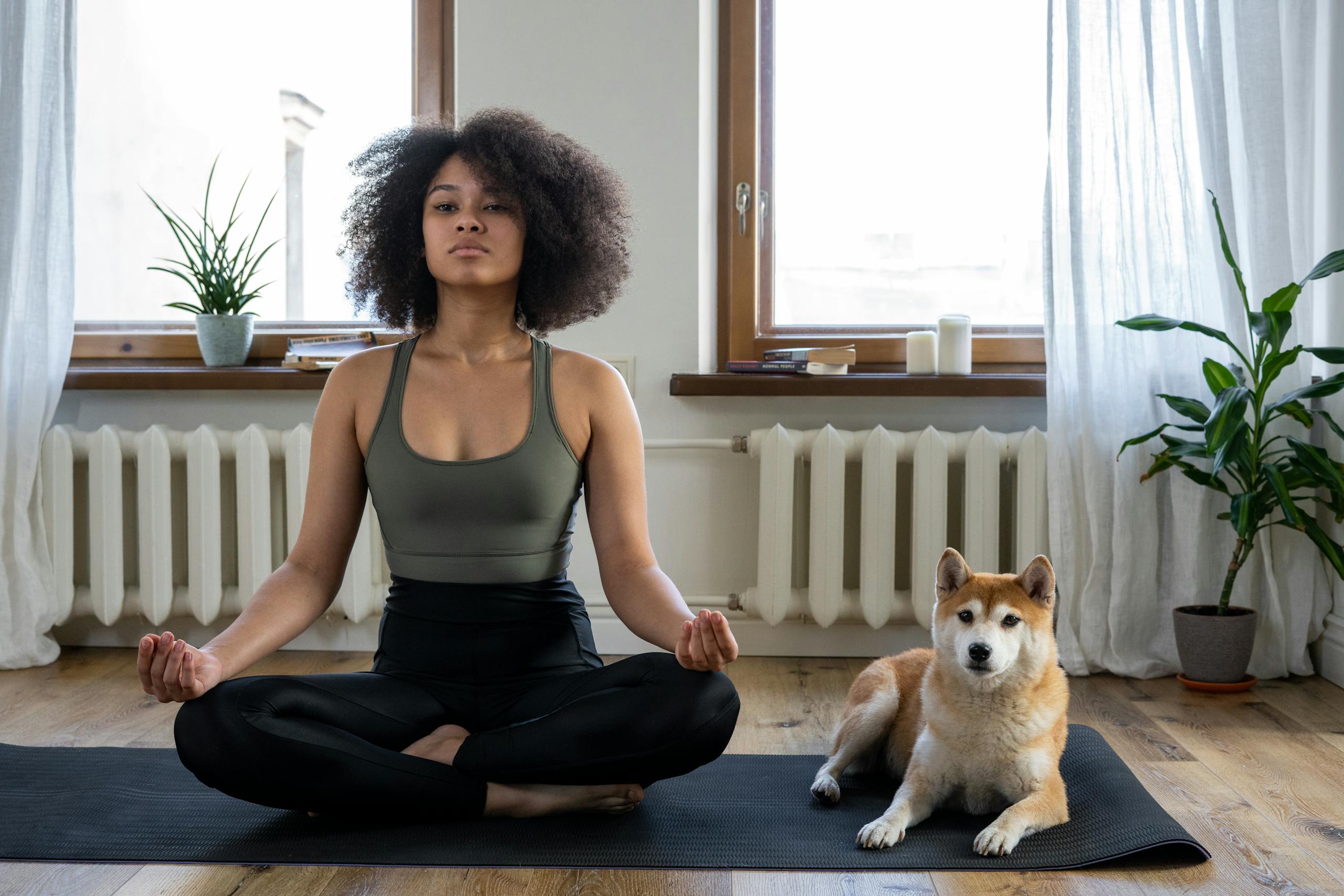
What Does It Actually Mean to Be a Homebody?
The word homebody gets tossed around casually, but the psychology behind it is more layered than the label suggests. A homebody is someone who genuinely prefers spending time at home, not because they are afraid of the outside world, but because home satisfies something real in them. It is a preference rooted in temperament, values, and often a deep need for environmental control.
What’s your personality type?
Take our free 40-question assessment and get a detailed personality profile with dimension breakdowns, context analysis, and personalised insights.
Discover Your Type8-12 minutes · 40 questions · Free
Psychologically, this connects to what researchers call “restorative environments,” spaces that allow the mind to recover from the cognitive and emotional demands of daily life. For introverts especially, those demands accumulate faster than most people realize. Every conversation, every decision made in a crowded room, every moment of sensory input in a busy office pulls on a finite internal resource. Home is where that resource gets rebuilt.
There is also a distinction worth drawing between a homebody and someone who is socially anxious or agoraphobic. Anxiety-driven avoidance is about fear. Homebody psychology is about preference and genuine enjoyment. A person with social anxiety wishes they could feel comfortable going out. A homebody often feels entirely comfortable going out, but simply does not want to as much as others do. That is a meaningful difference, and conflating the two does a disservice to both groups.
I saw this distinction play out clearly in my agency years. One of my account directors was someone who turned down every after-work event, not because she was shy in client meetings (she was excellent in them), but because she genuinely had no desire to extend her social time past 6 PM. She was warm, capable, and professionally confident. She just valued her evenings at home more than cocktail hours. That is not pathology. That is self-knowledge.
Why Do Introverts Feel More at Home Than Others?
Introversion and homebody tendencies overlap significantly, though they are not identical. Not every introvert is a homebody, and some extroverts genuinely love their domestic spaces. Yet the overlap is real and worth examining.
Introverts process information deeply and internally. Where an extrovert might feel energized by a busy social environment, an introvert is typically doing more cognitive work in that same space, tracking social dynamics, filtering stimulation, managing energy output. Coming home after that kind of sustained effort is not laziness. It is neurological recovery.
A study published in PubMed Central examining personality and environmental sensitivity found meaningful differences in how individuals with varying temperaments respond to stimulation levels. People with higher sensitivity thresholds tend to seek lower-stimulation environments more consistently, and home typically offers exactly that kind of regulated, controllable sensory experience.
Home also offers something that no conference room or restaurant can fully replicate: autonomy over the environment. You control the lighting, the sound, the temperature, the pace of interaction. For someone whose inner world is rich and active, that control is not a luxury. It is a prerequisite for functioning well.
This is part of why highly sensitive people often find that HSP minimalism resonates so deeply. Stripping away visual and sensory clutter at home is not just an aesthetic choice. It is a psychological one, creating an environment where the nervous system can finally exhale.

Is There Real Psychological Value in Staying Home?
Absolutely, and the evidence points in a consistent direction. Solitude, which homebodies tend to experience more of by choice, carries genuine cognitive and emotional benefits when it is voluntary rather than imposed.
Voluntary solitude creates space for self-reflection, creative thinking, and emotional processing. When you are not managing the social demands of other people’s presence, your mind can move through its own material more freely. Problems get worked through. Ideas surface. Emotions that got compressed during a busy day finally have room to be felt and understood.
Some of my most useful strategic thinking during my agency years happened not in brainstorming sessions, but on quiet Sunday mornings at home with a cup of coffee and no agenda. I would sit with a client problem that had felt stuck all week and find that my mind, freed from the noise of the office, could actually move around it. My team sometimes wondered how I came into Monday meetings with fully formed perspectives. The answer was almost always the same: I had spent the weekend thinking in peace.
There is also a well-documented connection between a sense of “home” and psychological wellbeing. When people feel that their living space reflects who they are and supports what they need, they report higher life satisfaction and lower baseline stress. Home is not just shelter. It is an extension of identity.
That identity connection is worth sitting with. A Frontiers in Psychology article examining personality and environmental preferences highlights how the spaces people choose to inhabit often mirror their inner psychological needs, including the need for safety, predictability, and self-expression. For homebodies, the home becomes a kind of curated inner world made visible.
How Does the Homebody Identity Form?
Homebody tendencies often emerge early, though many people do not recognize or accept them until adulthood. As children, some of us were the ones who preferred reading in our rooms to playing outside, who found large family gatherings exhausting rather than exciting, who felt most like ourselves in quiet domestic moments. Society tends to interpret those tendencies as shyness or social awkwardness, which is a misreading that can take years to correct.
For me, the agency world actively worked against that self-understanding. The culture of advertising is performative by nature. Pitching, presenting, entertaining clients, attending industry events, all of it rewards extroverted behavior and treats visibility as a measure of value. I spent a significant portion of my career trying to perform a version of leadership that did not fit me, and I was reasonably good at it, but it cost something every single time.
What eventually shifted was not my personality. It was my permission to acknowledge what I actually preferred. Recognizing that I was an INTJ who functioned best with long stretches of uninterrupted thinking time, that I did my best creative work alone before bringing ideas to a group, that I genuinely preferred a quiet dinner at home to a crowded industry party, was not a retreat from ambition. It was a recalibration toward honesty.
Many homebodies go through a similar process. The identity forms gradually, often in contrast to cultural expectations, and solidifies when a person stops treating their preference for home as something to apologize for.
Part of that process is also finding community that understands you, even if that community exists in a quieter form. Chat rooms for introverts offer exactly that kind of connection: social engagement on your own terms, without the sensory demands of in-person socializing, and often from the comfort of the home you love.

What Role Does the Couch Play in Homebody Psychology?
This might sound like a strange question, but bear with me. The physical anchors of home life matter more than we typically acknowledge. For many homebodies, there is a specific spot in the house that functions as a psychological home base: a reading chair, a window seat, a particular corner of the couch. These spots accumulate meaning over time.
The couch, in particular, has become something of a cultural symbol for homebody life, and not without reason. It is the place where the body finally settles, where the social mask comes off, where a book or a film or a long quiet conversation can happen without performance. There is real psychological significance in having a place where you are completely off duty.
We have written about this in more depth in our piece on the homebody couch, exploring why that particular piece of furniture carries so much emotional weight for people who love their home lives. It is not just furniture. It is a psychological anchor.
What the psychology of place tells us is that humans are deeply affected by the specific environments they inhabit. We form attachments to spaces the same way we form attachments to people. A home that feels safe, comfortable, and personally meaningful is not a retreat from life. It is a foundation for it.
Are Homebodies Antisocial, or Just Differently Social?
One of the most persistent misconceptions about homebodies is that they do not like people. Most do. They simply have different preferences about how, when, and in what context they engage with others.
Homebodies often prefer depth over breadth in their social lives. A long dinner with one or two close friends at home feels more satisfying than a party with twenty acquaintances. A meaningful phone call beats a quick check-in text. Quality of connection matters more than quantity of social events attended.
As an INTJ, I have always been drawn to deeper conversations over surface-level small talk, a tendency that Psychology Today has explored at length in the context of introvert social preferences. That preference shaped how I built relationships throughout my career. My closest professional relationships were not formed at networking events. They were formed in one-on-one conversations, often over meals, where we could actually get past the pleasantries.
Homebodies are not antisocial. They are selectively social, and that selectivity is a feature, not a bug. Choosing connection carefully means that the connections you do invest in tend to be richer and more sustaining.
There is also something worth noting about how homebodies show care for the people they love. Because home is their domain and their comfort zone, homebodies often express affection through the home itself: cooking meals, creating comfortable spaces, curating environments where others feel welcome. The home becomes a vehicle for connection rather than a barrier to it.
How Do You Build a Life That Honors Your Homebody Nature?
Accepting that you are a homebody is one thing. Building a life that actually accommodates that nature is another, and it requires some intentional choices.
The first is environmental. Your home should genuinely support the kind of life you want to live inside it. That means investing in the spaces where you spend the most time, not extravagantly, but thoughtfully. A comfortable reading area, good lighting, a kitchen that invites cooking, a workspace that does not feel like a punishment. The physical environment shapes the psychological experience of being home.
When it comes to gift-giving in homebody households, or finding things to add to your own space, our gifts for homebodies guide offers ideas grounded in what actually makes home life richer, not just more cluttered. And if you are looking for something more curated, the homebody gift guide goes deeper into categories that genuinely resonate with people who live intentionally at home.
The second choice is social. Being honest with the people in your life about what you need is not selfish. It is sustainable. When I stopped pretending that I wanted to attend every optional social event and started being more selective, the relationships that mattered actually improved. The people who understood and respected my preferences became closer. The ones who could not accept it were probably not the right fit anyway.
A PubMed Central article on personality and social behavior notes that authenticity in social preferences correlates with higher relationship satisfaction over time. Performing extroversion when you are not wired that way creates a kind of chronic low-grade friction that wears on both you and the people around you.
The third choice is vocational. Not every career accommodates a homebody temperament equally well. Remote work, independent consulting, writing, design, research, and a range of other fields allow for the kind of home-centered life that homebodies thrive in. I have watched the rise of remote work with genuine interest because it has allowed a generation of introverts to stop apologizing for preferring to work from home, and to discover that they are often more productive there than in open-plan offices.

What Does Literature Tell Us About Homebody Psychology?
Some of the most resonant writing about home and interiority comes from people who lived deeply homebody lives, and reading their work can be a form of self-recognition for homebodies who have spent years feeling out of step with a more extroverted world.
There is a whole genre of literature that celebrates domestic life not as smallness, but as depth. Writers who found their richest material in the interior life, in the texture of daily home experience, in the quiet observations available only to someone who has chosen to be still long enough to notice. Reading that kind of writing does something specific for homebodies: it validates the choice to find meaning close to home.
If you are looking for reading that speaks directly to this experience, our piece on the homebody book explores titles that resonate with people who find their richest life at home. It is a good starting point for building a reading life that reflects who you actually are.
There is something quietly radical about choosing literature that affirms your temperament rather than constantly challenging it. Not every book needs to push you toward growth or discomfort. Some books are meant to make you feel understood, and for homebodies, that recognition can be genuinely nourishing.
When Does Homebody Become Isolation?
Honesty requires acknowledging that the homebody orientation, like any personality tendency, can tip into something less healthy. There is a meaningful difference between choosing home because it genuinely sustains you and retreating home because the outside world has become too frightening or painful to engage with.
The distinction usually shows up in how you feel about your home life. A healthy homebody feels content, energized, and connected to life. Someone sliding toward isolation typically feels a growing sense of disconnection, even while staying home. The home stops feeling like a sanctuary and starts feeling like a hiding place.
I have had stretches in my own life, particularly during high-stress periods at the agency when client relationships were deteriorating and the pressure was relentless, where I withdrew more than was good for me. I told myself I was recharging, but I was actually avoiding. The difference became clear when the solitude stopped feeling restorative and started feeling like numbness.
If you notice that your preference for home is accompanied by dread about going out, shrinking social connections, or a persistent sense that you are missing out on life rather than choosing a different version of it, that is worth paying attention to. Talking to a therapist who understands introversion can be genuinely useful. As Point Loma University’s counseling resources note, introverts often make excellent therapeutic clients precisely because they are already practiced at self-reflection. The challenge is usually getting past the resistance to seeking support in the first place.
A healthy homebody life is one where home is a chosen center, not a default hiding place. The difference is agency. You are home because you want to be, not because you are afraid of anywhere else.
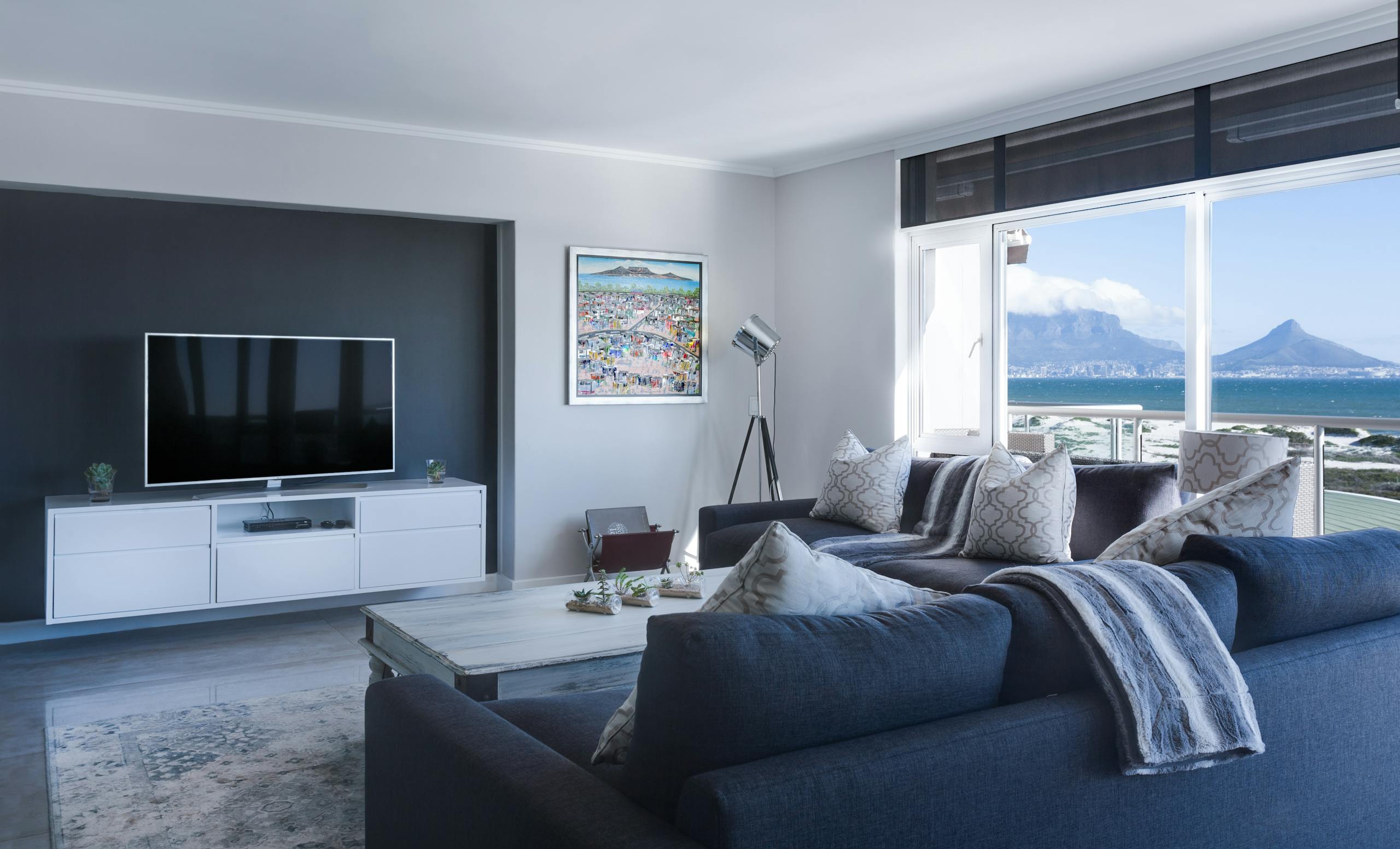
Reclaiming the Word Homebody
For a long time, calling yourself a homebody felt like an admission of something. A confession that you were not ambitious enough, not social enough, not interesting enough. That framing deserves to be retired.
Homebody psychology, examined honestly, describes a person who knows what restores them, who values depth over breadth in their experiences, who has built a life oriented around genuine nourishment rather than social performance. That is not a limitation. That is self-awareness of a fairly high order.
The years I spent trying to be a different kind of person, one who thrived in packed rooms and found energy in constant social engagement, were not wasted. They taught me what I was not. And that knowledge, eventually, pointed me toward what I actually was: someone who does his best thinking alone, who builds his best relationships one at a time, and who has always found the most meaning in quiet, considered, home-centered living.
Owning that identity, without apology, turned out to be one of the most professionally and personally clarifying things I ever did. My leadership got better when I stopped pretending. My relationships got deeper when I stopped spreading myself thin. My work got sharper when I gave myself permission to think in the way that actually worked for me.
Being a homebody is not a personality type to grow out of. It is a way of being in the world that, when honored, produces a life of genuine richness. The psychology backs that up. So does lived experience.
There is much more to explore about how introverts relate to their physical spaces and domestic lives. Our complete Introvert Home Environment hub brings together the full range of those topics in one place, from sensory design to solitude to the specific psychology of home as sanctuary.
About the Author
Keith Lacy is an introvert who’s learned to embrace his true self later in life. After 20 years in advertising and marketing leadership, including running agencies and managing Fortune 500 accounts, Keith now channels his experience into helping fellow introverts understand their strengths and build fulfilling careers. As an INTJ, he brings analytical depth and authentic perspective to every article, drawing from both professional expertise and personal growth.
Frequently Asked Questions
What is the psychological meaning of being a homebody?
Being a homebody refers to a genuine psychological preference for spending time at home, rooted in temperament rather than fear or avoidance. Psychologically, homebodies tend to find their domestic spaces restorative, drawing real energy and meaning from time spent in environments they control. This preference often correlates with introversion and higher environmental sensitivity, and it reflects a healthy orientation toward home as a source of identity and renewal rather than a retreat from the world.
Is being a homebody the same as being introverted?
There is significant overlap between introversion and homebody tendencies, but they are not identical. Introversion describes how a person processes stimulation and social interaction, while homebody describes a preference for domestic environments. Many introverts are homebodies, but some extroverts also genuinely love their home lives. The connection is that introverts typically require more recovery time after social engagement, and home is where that recovery most naturally happens.
Is there a difference between being a homebody and having social anxiety?
Yes, and the difference is significant. Social anxiety involves fear and distress about social situations, with a desire to engage but an inability to do so comfortably. Homebody psychology is about genuine preference, a person who is capable of engaging socially but simply prefers not to as often. A homebody typically feels fine going out when they choose to. Someone with social anxiety wishes they could feel that ease. The two can coexist, but they are not the same thing, and treating homebody preferences as pathological is a misreading of healthy temperament.
Can being a homebody become unhealthy?
It can, when the preference for home shifts from a chosen orientation to a form of avoidance driven by fear, depression, or anxiety. A healthy homebody feels content and energized by their home life. When staying home starts to feel like hiding, when social connections shrink involuntarily, or when the home stops feeling restorative and starts feeling like a trap, that signals something worth examining. The difference lies in whether you are choosing home freely or retreating to it out of dread about the outside world.
How can homebodies build a life that genuinely fits their nature?
Building a life that honors homebody tendencies involves three main areas: environment, relationships, and vocation. Investing thoughtfully in your home space, making it genuinely comfortable and personally meaningful, creates a foundation that supports your wellbeing. Being honest with people in your life about your social preferences, and choosing depth over breadth in relationships, tends to produce more satisfying connections. And where possible, choosing work that accommodates home-centered living, whether through remote work, independent work, or fields that value deep focus, allows your professional life to align with your temperament rather than fight it.