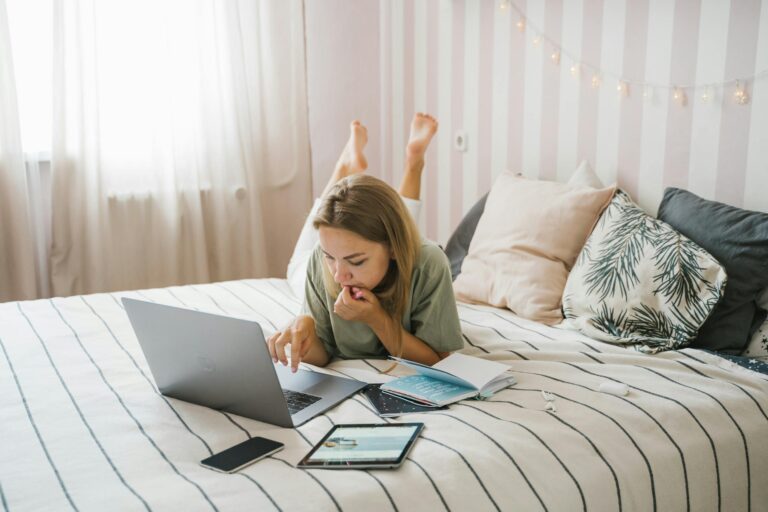

An authentic home in the United States means something different to introverts than it does to the culture at large. Where mainstream American life often prizes open floor plans, constant social availability, and the visible markers of a busy, outward-facing existence, many introverts are quietly building something else: spaces and lifestyles that reflect who they actually are, not who they feel pressured to perform being.
Authentic home living, for introverts across America, is about designing your physical environment, daily rhythms, and social boundaries to match your internal wiring. It’s the difference between a house that looks right and a home that feels right.
There’s a broader conversation happening right now about what it means to live authentically in this country, and introverts are quietly at the center of it. If you want to explore the full spectrum of how introverts are reclaiming their domestic lives, our Introvert Home Environment hub covers everything from sensory design to social boundaries to the psychology of personal space.
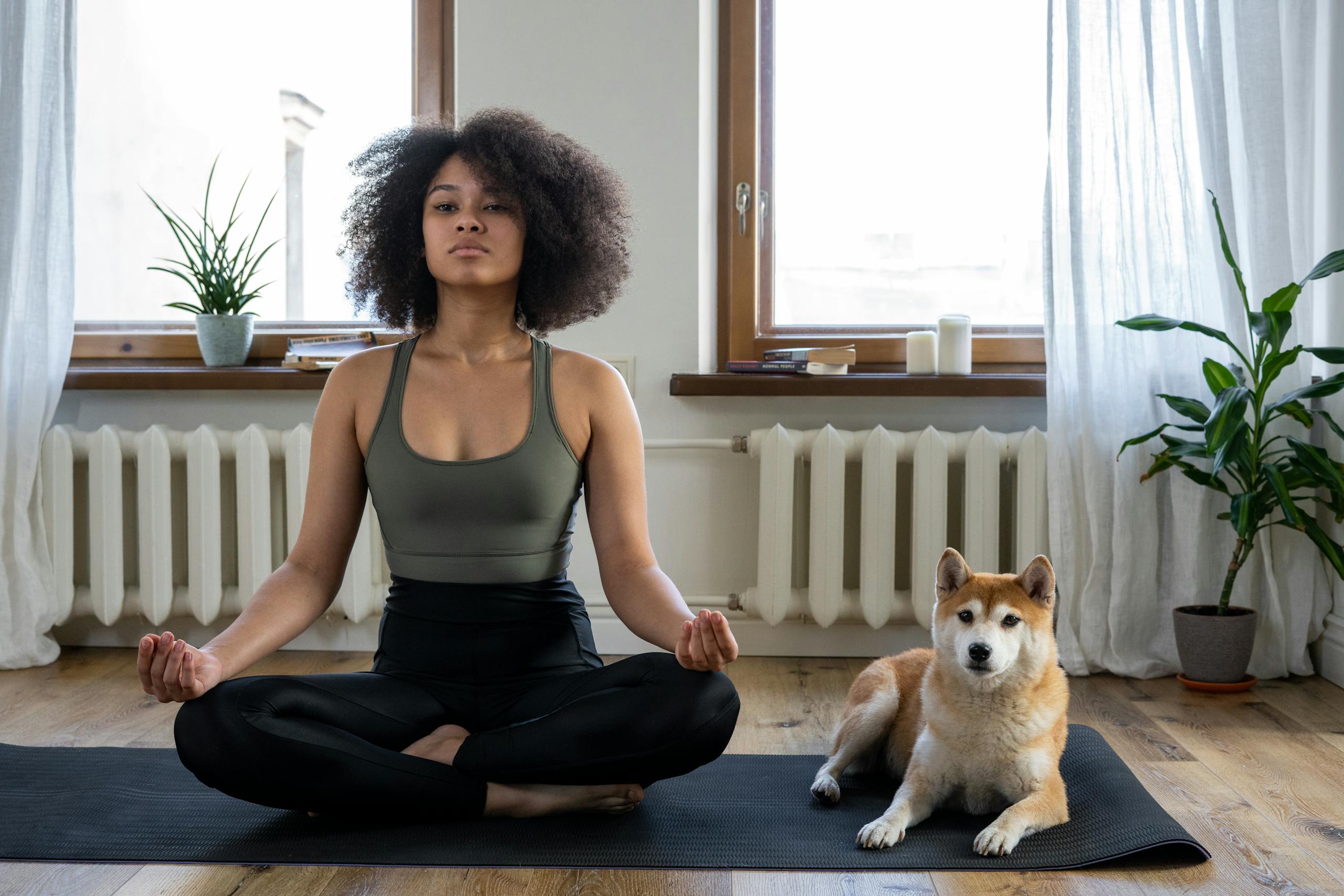
Why Do So Many Americans Feel Like Strangers in Their Own Homes?
My advertising agency years were full of beautiful offices. We had exposed brick, great lighting, communal tables, and a kitchen that was always stocked for impromptu team gatherings. On paper, it was the ideal creative environment. In practice, I spent a lot of time hiding in the one quiet conference room with the door that actually closed, pretending I was on a call so no one would interrupt my thinking.
The same dynamic plays out in American homes. We’ve absorbed a cultural script about what a home should look like and how it should function. Open layouts encourage constant visibility. Guest rooms signal hospitality. A full social calendar suggests a rich life. And somewhere in all of that, introverts end up designing spaces for the version of themselves they think they should be, not the version they actually are.
There’s a real psychological cost to that mismatch. When your home doesn’t support how you actually process the world, you never fully decompress. You’re always slightly on guard, slightly performing, even in your own kitchen. That low-level tension accumulates. Over time, it doesn’t just drain your energy; it chips away at your sense of self.
The shift toward authentic home living isn’t about becoming a hermit or rejecting connection. It’s about making deliberate choices that honor the way your nervous system actually works. And in a country where extroversion has long been the cultural default, that requires some conscious unlearning.
What Does Authentic Home Living Actually Look Like in Practice?
Authentic home living for introverts isn’t a single aesthetic. It doesn’t mean gray walls and empty shelves, though minimalism often appeals to introverts for good reason. What it means is that every element of your space serves your actual needs rather than an imagined audience.
For some introverts, that means a dedicated reading corner with blackout curtains and a lamp angled just right. For others, it’s a home office with a door that locks, or a kitchen table positioned so you can see the yard while you eat breakfast alone in silence. The specifics vary wildly. The principle doesn’t: your home should be calibrated to you.
One concept that resonates deeply with many introverts, particularly those who are also highly sensitive, is the idea of intentional simplicity. Reducing visual clutter, softening sound, and limiting the number of competing stimuli in a space can dramatically change how a home feels to someone who processes the environment at a deeper level. The piece on HSP minimalism and simplifying for sensitive souls gets into this beautifully, and even if you don’t identify as highly sensitive, the principles translate.
Authentic home living also extends to how you use your home socially. Many introverts find that hosting small gatherings on their own terms, where they control the guest list, the timing, and the exit ramp, feels completely different from being a guest at someone else’s event. Your home can be a place of genuine warmth and connection. It just works better when the terms are yours.

How Does the American Cultural Pressure to Perform Extroversion Show Up at Home?
Running agencies for two decades, I watched the same pattern repeat itself with nearly every introverted employee I managed. They’d perform brilliantly in focused, independent work. They’d show up professionally in client meetings. And then they’d go home and spend their evenings recovering from the performance of being someone slightly louder, slightly more gregarious, slightly more “on” than they naturally were.
American culture applies that same pressure at the domestic level. Neighborhood block parties, open-door policies with family, the expectation that a quiet Saturday at home means something is wrong with you. Social media amplifies it: the curated images of lively dinner parties and backyard barbecues suggest that a full life is always a visible, populated one.
The psychological research on introversion and social energy is clear enough that even mainstream psychology acknowledges it. Work published through PubMed Central on personality and environmental preference supports what many introverts already know intuitively: the amount of stimulation that feels optimal varies significantly between individuals, and forcing yourself into chronically overstimulating environments has measurable effects on wellbeing.
What that means practically is that choosing a quieter home life isn’t a failure of social development. It’s a form of self-knowledge. The introvert who declines the standing Sunday brunch invitation and spends that morning reading on the couch instead isn’t antisocial. They’re making a rational choice about how to allocate finite energy. And that couch, incidentally, matters more than most people give it credit for. The homebody couch piece on this site explores why that single piece of furniture often becomes the emotional anchor of an introvert’s home.
The pressure to perform extroversion at home also shows up in how we talk about ourselves. Saying “I’m staying in tonight” still carries a faint social apology in many American contexts. Authentic home living includes the internal work of releasing that apology, of genuinely believing that your preferences are valid rather than merely tolerated.
Can You Be Socially Connected and Still Live as a True Homebody?
One of the most persistent myths about introverts is that preferring home means preferring isolation. That’s not what the evidence suggests, and it’s not what I’ve observed in my own life or in the lives of the introverts I’ve worked with over the years.
Introverts tend to prefer depth over breadth in their social lives. Fewer connections, but more meaningful ones. Conversations that go somewhere real rather than surface-level exchanges that leave everyone feeling vaguely empty. Psychology Today’s exploration of why deeper conversations matter aligns closely with what many introverts report: the quality of connection matters far more than the quantity of social contact.
Authentic home living supports this kind of connection. When you’re not exhausted from performing extroversion all day, you actually have something left to give in your relationships. The friend who gets your full attention over a long dinner at your kitchen table gets more of you than the acquaintance who sees you at a party where you’re half-distracted and counting the minutes.
Digital connection has also expanded what home-based social life can look like. Many introverts have built genuine, meaningful communities through text-based platforms and online spaces that allow for the kind of thoughtful, unhurried communication that suits them. The guide to chat rooms for introverts is worth exploring if you’ve ever wondered whether online community can offer something real, because for many people, it absolutely does.
The homebody life, done well, isn’t an absence of connection. It’s a curation of it.

What Specific Elements Make an American Home Feel Authentically Introverted?
When I finally moved into a space I designed entirely for myself, after years of shared agency offices and houses that had to accommodate a family’s worth of competing needs, I made a list of what I actually wanted. Not what looked good in a magazine. Not what the realtor said would improve resale value. What I, specifically, needed to feel like I was home.
The list was oddly specific. A room with no television. A kitchen with good light in the morning. A back door that opened directly to something green. A desk positioned so my back was to the wall. None of these were expensive choices. All of them were deliberate ones.
Across the broader introvert community, certain elements come up again and again when people describe what makes their home feel authentic to who they are:
Sensory Control
Sound management is often the first priority. This might mean thick rugs that absorb noise, rooms positioned away from street traffic, or simply the discipline to keep the television off during hours that are meant for thinking. Lighting matters too: harsh overhead fluorescents are the enemy of introvert comfort, while layered, warm, adjustable lighting creates an environment where the nervous system can actually settle.
Dedicated Solitude Spaces
Even in small homes, introverts often find ways to carve out a corner, a chair, a specific spot that is understood, at least internally, to be theirs alone. This isn’t selfishness. It’s the spatial equivalent of knowing when to recharge. Research accessible through PubMed Central on restorative environments suggests that having spaces associated with calm and personal restoration has measurable effects on stress recovery, which is something introverts tend to know instinctively long before they read the science.
Intentional Objects
Introverts often fill their homes with things that have meaning rather than things that signal status. Books are the obvious example, and there’s a whole category of literature now dedicated to the philosophy of home-centered living. The homebody book roundup here is a good starting point if you’re looking for reading that validates and deepens this way of life.
Beyond books, the objects that feel right in an introvert’s home tend to be ones that invite inward experience: a record player, a good tea setup, art that you genuinely respond to rather than art that looks impressive at a dinner party.
How Do You Build an Authentic Home Life When the People Around You Don’t Understand It?
This is where it gets genuinely hard. Designing your space is one thing. Holding your ground socially when the people you love operate differently is another challenge entirely.
I managed a team for years that included several extroverts who genuinely couldn’t understand why I didn’t want to debrief over drinks after every major client presentation. They weren’t being inconsiderate. They were wired differently, and for them, the social processing was part of how they wound down. For me, it was another layer of output I didn’t have. Understanding that difference, and being able to articulate it without apology, took longer than it should have.
At home, the same negotiation happens with partners, family members, and close friends who may interpret your preference for quiet evenings as withdrawal or disconnection. Psychology Today’s framework for introvert-extrovert conflict resolution offers some practical language for these conversations, and the framing is useful: it positions the difference as a wiring issue, not a values conflict.
What tends to work, in my experience, is being specific rather than general. “I need some quiet time before dinner” lands better than “I’m introverted.” The first is a concrete request. The second invites a debate about whether introversion is real or whether you’re just being antisocial. Specificity gives the people in your life something they can actually respond to.
Authentic home living, in a shared space, also means finding the places of genuine overlap. Most introverts enjoy connection; they just enjoy it differently. Finding the rituals that work for everyone, a Sunday morning walk, a movie watched together in comfortable silence, a shared meal without phones, creates real intimacy without requiring anyone to perform a personality they don’t have.
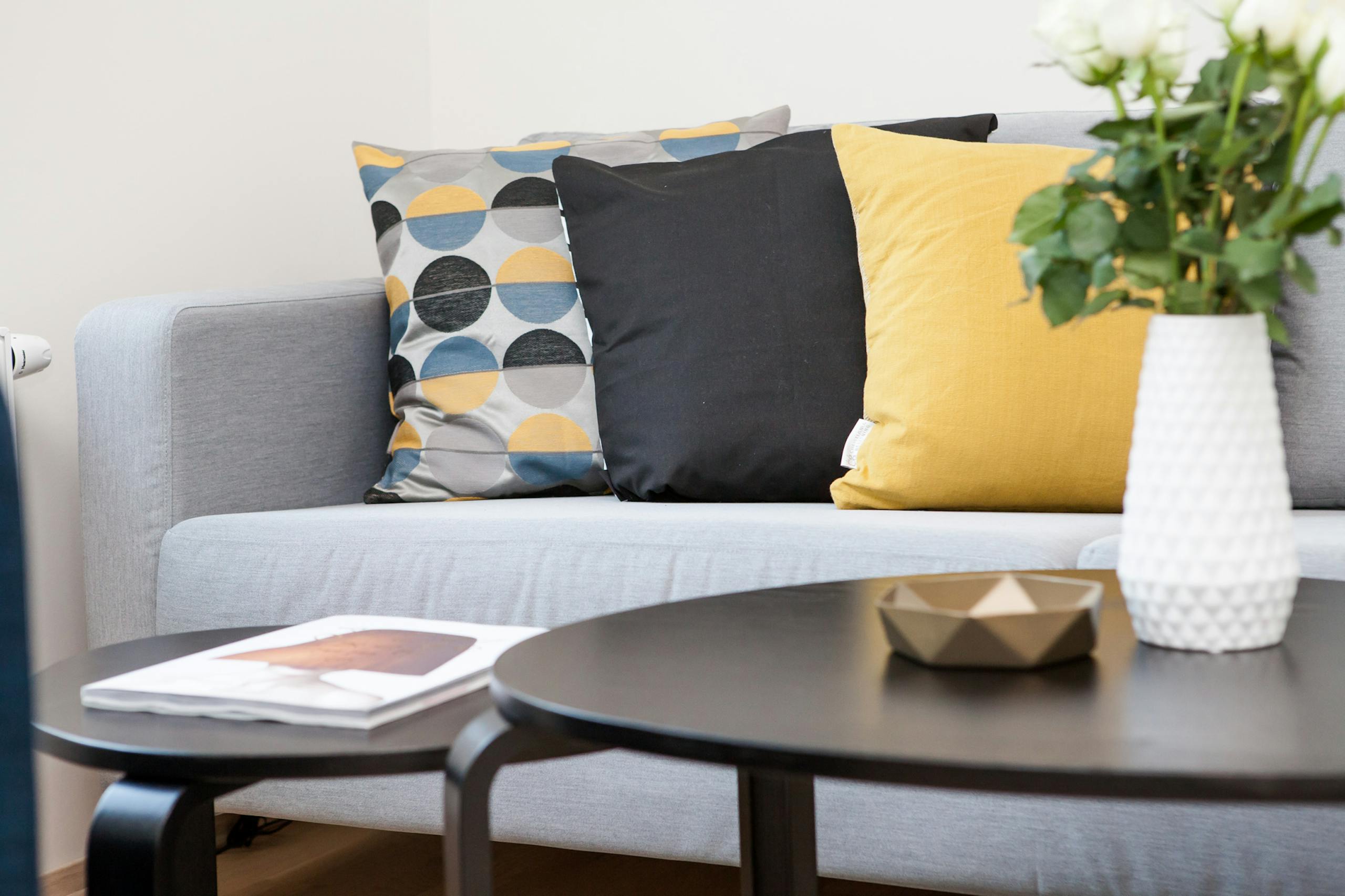
What Role Does Gift-Giving Play in the Authentic Homebody Culture?
Something I’ve noticed over the years is that introverts who have fully embraced their home-centered lives often become very intentional gift-givers. They understand, from personal experience, that the right object in the right space can meaningfully improve daily life. And they tend to give gifts that reflect that understanding.
There’s a whole culture around this now, and it’s worth acknowledging. The rise of the “homebody aesthetic” in American consumer culture has created a genuine market for thoughtful, home-centered gifts, things that make a quiet life more comfortable, more sensory-rich, more personally meaningful. If you’re looking for ideas for the introvert in your life, or for yourself, the gifts for homebodies guide covers a wide range of options that actually make sense for this lifestyle.
What distinguishes a good homebody gift from a generic one is that it serves the interior life. A beautiful notebook. A quality throw blanket. A tea sampler. A book that will genuinely be read. These aren’t extravagant, but they’re specific, and specificity is what makes a gift feel seen rather than obligatory. The homebody gift guide here takes that philosophy seriously and is organized in a way that makes it easy to find something genuinely fitting.
The broader point is that gift-giving culture, when it’s attuned to the homebody lifestyle, reinforces the validity of that lifestyle. Receiving a gift that says “I know you love being home and I think that’s wonderful” is a small but meaningful form of social validation for something that American culture doesn’t always celebrate.
What Does Authentic Home Living Mean for Introverts Across Different American Contexts?
America is not a monolith, and what authentic home living looks like varies considerably depending on where you are and who you are. An introvert in a dense urban apartment is working with different constraints than one in a rural farmhouse. An introvert handling family obligations in a multigenerational household faces different negotiations than someone living alone.
What stays consistent across these contexts is the underlying orientation: a preference for depth over stimulation, for meaning over performance, for spaces that restore rather than drain. The specific expressions of that orientation are endlessly variable.
In American cities, introverts have developed creative strategies for carving out authentic home experiences in small spaces. Noise-canceling headphones as a social boundary signal. Carefully chosen neighborhoods that balance access and quiet. The deliberate choice of a ground-floor apartment with a small outdoor space over a higher floor with a view, because the outdoor space offers a form of solitude that the view doesn’t.
In suburban and rural contexts, introverts often have more physical space but face different social pressures: the expectation of community involvement, the visibility of a quiet lifestyle in a place where everyone knows everyone. Authentic home living in those contexts sometimes requires more explicit boundary-setting, more willingness to be the neighbor who waves from the porch but doesn’t attend every block association meeting.
What personality research consistently suggests is that environmental fit matters enormously for wellbeing. A 2024 paper in Frontiers in Psychology examining personality and environmental interaction reinforces what introverts often discover through lived experience: when your environment matches your personality, you function better across almost every measurable dimension.
The work of building that fit, wherever you are in America, is ongoing. It’s not a destination you arrive at. It’s a set of choices you make, and keep making, as your life changes.
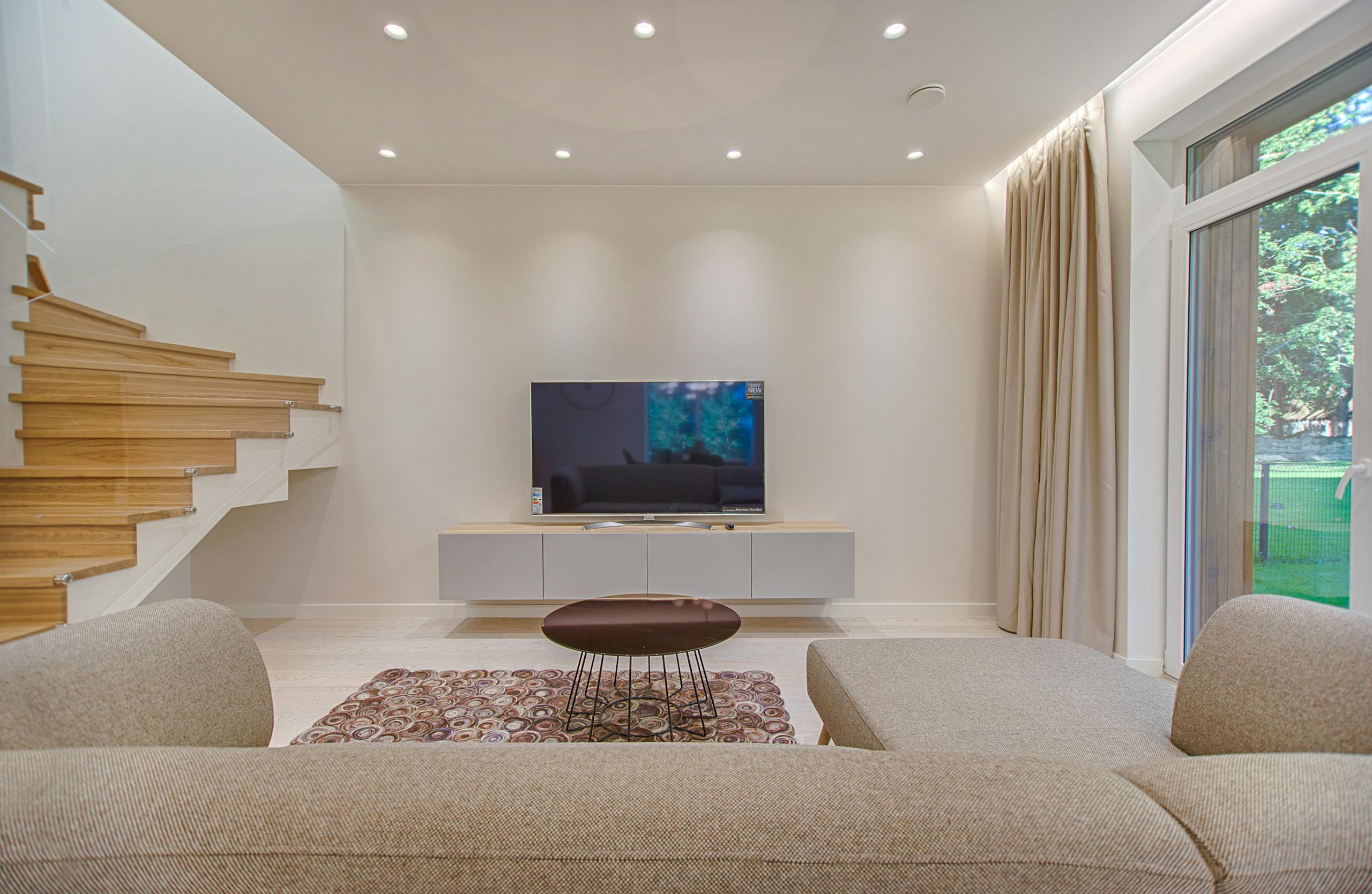
How Do You Know When Your Home Life Is Authentically Yours?
There’s a specific feeling I remember from the first evening I spent in my current home, after the boxes were unpacked and the furniture was roughly where I wanted it. I sat down with a book and a cup of coffee and realized I wasn’t waiting for anything. I wasn’t bracing for an interruption or half-listening for a notification. The space was doing what a home is supposed to do: it was holding me without asking anything of me.
That feeling is the benchmark. Not aesthetic perfection, not a particular style or price point, but the experience of being genuinely at rest in your own space.
For introverts, that experience often requires more deliberate construction than it does for people who recharge through social contact. An extrovert might feel at home anywhere there’s good company. An introvert’s home needs to do more specific work: it needs to offer genuine quiet, genuine privacy, and genuine permission to simply be without performing.
You know your home life is authentically yours when you stop apologizing for it, even internally. When you stop framing your quiet Saturday as something you’re doing instead of something else. When the choices you’ve made about your space and your rhythms feel like expressions of who you are rather than compromises you’ve settled for.
That shift doesn’t happen overnight. For many introverts, it comes after years of trying to live someone else’s version of a full life, and slowly, sometimes painfully, realizing that the fullness they were chasing was never going to feel like home.
The Point Loma University resource on introversion and professional identity makes a point that applies well beyond the therapeutic context: introverts who understand and accept their own wiring tend to be more effective, more grounded, and more genuinely present in their lives. That’s as true at home as it is at work.
If you’re still in the process of building that understanding, the resources in our Introvert Home Environment hub offer a wide range of entry points, from the practical to the philosophical, that can help you think through what authentic home living actually means for you.
About the Author
Keith Lacy is an introvert who’s learned to embrace his true self later in life. After 20 years in advertising and marketing leadership, including running agencies and managing Fortune 500 accounts, Keith now channels his experience into helping fellow introverts understand their strengths and build fulfilling careers. As an INTJ, he brings analytical depth and authentic perspective to every article, drawing from both professional expertise and personal growth.
Frequently Asked Questions
What does “authentic home” mean for introverts in the United States?
An authentic home for introverts means a living space and daily rhythm deliberately designed to match how you actually process the world, rather than how American culture suggests you should live. It prioritizes sensory comfort, genuine solitude, and meaningful connection over social performance and outward-facing busyness. The specifics vary from person to person, but the underlying principle is the same: your home should restore you, not drain you.
Is it healthy to prefer staying home most of the time?
For introverts, a strong preference for home-based living is a natural expression of personality rather than a sign of avoidance or social difficulty. What matters is whether your home life includes genuine connection, meaningful activity, and a sense of personal agency. Many introverts maintain rich, fulfilling social lives while spending the majority of their time at home. The quality of engagement matters far more than the quantity of outings.
How can I make my American home feel more authentically introverted without a major renovation?
Small, deliberate changes make a significant difference. Adjusting lighting to warmer, layered sources rather than harsh overheads is one of the highest-impact changes you can make at low cost. Adding sound-absorbing elements like rugs and curtains reduces ambient noise. Designating one specific spot as your personal retreat space, even if it’s just a chair in a corner, creates a psychological anchor. Removing objects that feel obligatory rather than meaningful reduces visual noise. None of these require renovation, just intention.
How do I handle family or partners who don’t understand my need for a quieter home life?
Specific, concrete requests tend to work better than general explanations of introversion. Instead of explaining your personality type, try naming what you need in a given moment: quiet time before dinner, a morning without plans, an evening in rather than out. Over time, these specific requests build a shared understanding more effectively than abstract personality discussions. Finding rituals that genuinely work for everyone, shared activities that don’t require either person to perform a personality they don’t have, also helps create connection without conflict.
Does embracing a homebody lifestyle mean giving up on social connection?
Not at all. Introverts who build authentic home lives typically don’t abandon social connection; they restructure it. Fewer, deeper relationships tend to replace a wide but shallow social network. Hosting on their own terms replaces obligatory attendance at others’ events. Digital and text-based communities supplement or sometimes replace in-person socializing in ways that feel genuinely satisfying. The homebody lifestyle, at its best, is about curating connection rather than eliminating it.