
A flow state mountain bike festival sounds like the last place an introvert would recharge. Crowds, noise, group rides, strangers everywhere. Yet for many introverts, the act of riding itself, that narrow window of total absorption where the trail demands everything and the mental chatter finally goes quiet, is one of the most restorative experiences available to us. Flow state and solitude aren’t opposites. Sometimes they arrive together, even in the middle of a festival.
Flow state, in the psychological sense, describes that condition of complete immersion where effort and awareness merge and time seems to compress. On a mountain bike, it happens when the trail complexity matches your skill level closely enough that your conscious mind steps aside. You stop thinking about the next corner and start feeling it. For introverts who spend enormous mental energy managing social environments, that release is not a small thing.
Much of what I’ve written about on Ordinary Introvert connects back to the broader practice of caring for an introverted nervous system. Our Solitude, Self-Care and Recharging Hub covers that territory from multiple angles, and flow state through physical activity is one of the more underappreciated pieces of that conversation.
What Does a Flow State Mountain Bike Festival Actually Offer an Introvert?
My first encounter with a flow state mountain bike festival came through a client, not through my own riding. We were managing a sponsorship campaign for an outdoor gear brand, and I spent two days at the event watching how people moved through it. What struck me wasn’t the competition or the vendor tents. It was the quality of attention on the trails. Riders weren’t socializing while they rode. They were completely elsewhere, somewhere inside the movement itself.
That observation stuck with me long after the campaign wrapped. These events are built around flow trail design, which means the courses are engineered specifically to sustain rhythm and momentum. Bermed corners, rollers, and jump lines that carry speed rather than interrupt it. The physical design of the trail does something that most social environments don’t: it removes friction between intention and action. You don’t have to negotiate your way through it. You just ride.
For introverts, that matters more than it might seem. A significant portion of our daily energy goes toward managing transitions, reading social cues, calibrating responses, and processing the ambient noise of group environments. A well-designed flow trail strips all of that away. There’s nothing to interpret. There’s only the next feature, the next turn, the next moment of committed movement.
Many of the riders I’ve spoken with over the years describe their best trail sessions in terms that sound almost meditative. Not peaceful in a passive sense, but absorbed. Present in a way that daily life rarely allows. That quality of presence is something introverts often crave and rarely find in conventional social or recreational settings.
Why Do Introverts Experience Flow Differently Than Extroverts?
Introverts and extroverts aren’t simply different in how much social contact they prefer. The difference runs deeper into how each type processes stimulation and recovers from it. Extroverts tend to seek external input to maintain energy. Introverts generate and restore energy through internal processing, which means they’re often more attuned to their own internal states and more sensitive to overstimulation from outside sources.
Flow state, by its nature, narrows external input to exactly what’s necessary. The rest falls away. That selective narrowing is something introverts often do naturally in other contexts, getting absorbed in a book, losing track of time in a creative project, following a single thread of thought for hours. Mountain biking at a flow festival simply provides a physical version of that same absorption.
There’s also the matter of what happens before and after the ride. Highly sensitive people and introverts often need deliberate transition time, space to arrive at an experience and space to decompress afterward. A well-run flow state mountain bike festival typically structures the day around individual ride sessions rather than constant group activity, which means there are natural pockets of solitude built into the schedule. You can sit at the trailhead, watch other riders, and be alone in a crowd without anyone requiring anything from you.
That kind of structured solitude is something I’ve written about in different contexts. The research on what happens when introverts are consistently denied alone time points toward real cognitive and emotional costs, not just mild discomfort. What happens when introverts don’t get alone time is a question worth taking seriously, and physical activities that create natural solitude within a social setting offer one practical answer.
How Does Nature Amplify the Flow State Experience for Sensitive Riders?
Most flow trail systems are built in forested or mountainous terrain. That’s not incidental. The natural environment is doing its own work on the nervous system, independent of the riding itself. There’s a body of thinking around the restorative effects of natural settings on attention and stress, and for introverts and highly sensitive people in particular, the combination of physical movement and natural surroundings seems to compound the benefit.
I’ve noticed this in my own experience. Some of my clearest thinking has happened not in the office or at my desk, but outdoors, moving through a landscape that requires enough attention to quiet the internal monologue without demanding social performance. Running a busy agency meant my mind was rarely fully quiet. Client demands, team dynamics, campaign deadlines, all of it created a kind of continuous low-grade noise. Time outdoors, particularly in motion, was one of the few things that actually interrupted that pattern.
The connection between nature and nervous system recovery is something the HSP nature connection conversation addresses directly. For highly sensitive people, natural environments aren’t just pleasant. They’re often genuinely regulating in a physiological sense. When you add the focused attention of trail riding to that setting, you get something that works on multiple levels simultaneously.
A paper published in Frontiers in Psychology examining flow experiences in outdoor sports found that natural environments significantly enhanced the conditions for flow onset, particularly in activities requiring sustained attention and physical coordination. The trail itself becomes part of the experience rather than just a backdrop.
Flow state mountain bike festivals often take place over multiple days, which means participants spend extended time in natural settings. For introverts who live primarily in urban or suburban environments, that extended immersion in nature can feel like a genuine reset. Not just a pleasant afternoon, but something that actually shifts the baseline.
Can a Festival Environment Actually Support Introvert Recovery?
This is the question I get most skeptical looks about when I raise it. Festivals mean people. People mean noise, social obligation, and the constant low-level performance of being present in a crowd. For introverts, that’s usually the opposite of recovery.
But flow state mountain bike festivals have a structural quality that separates them from most festival experiences. The activity itself is inherently solitary. Even when you ride with others, the trail demands individual focus. You can’t have a conversation on a technical descent. You can’t monitor social dynamics when you’re committed to a berm at speed. The ride creates a natural boundary around your attention that no social convention could enforce.
There’s also the culture of these events. Mountain biking communities tend toward a particular kind of social interaction: brief, genuine, and not demanding. People talk about the trail, about specific features, about conditions. There’s a shared language that doesn’t require much personal disclosure. For introverts who find small talk exhausting but enjoy substantive conversation around shared interests, that dynamic is actually quite comfortable.
I managed a creative director at my agency for several years who was a committed mountain biker. She was one of the most introverted people on my team, genuinely depleted by client meetings and internal presentations. But she’d come back from riding weekends visibly different, more settled, more present. She described the trail as the one place where no one needed anything from her. That observation has stayed with me.
The broader principle connects to what Berkeley’s Greater Good Science Center has explored around solitude and creative renewal. Genuine solitude, even brief and even within a larger social context, has measurable effects on mental clarity and creative capacity. A flow trail session in the middle of a festival can function as that kind of solitude, a genuine break from the social field even when you’re physically surrounded by people.
What Does Flow State Actually Do to an Introverted Brain?
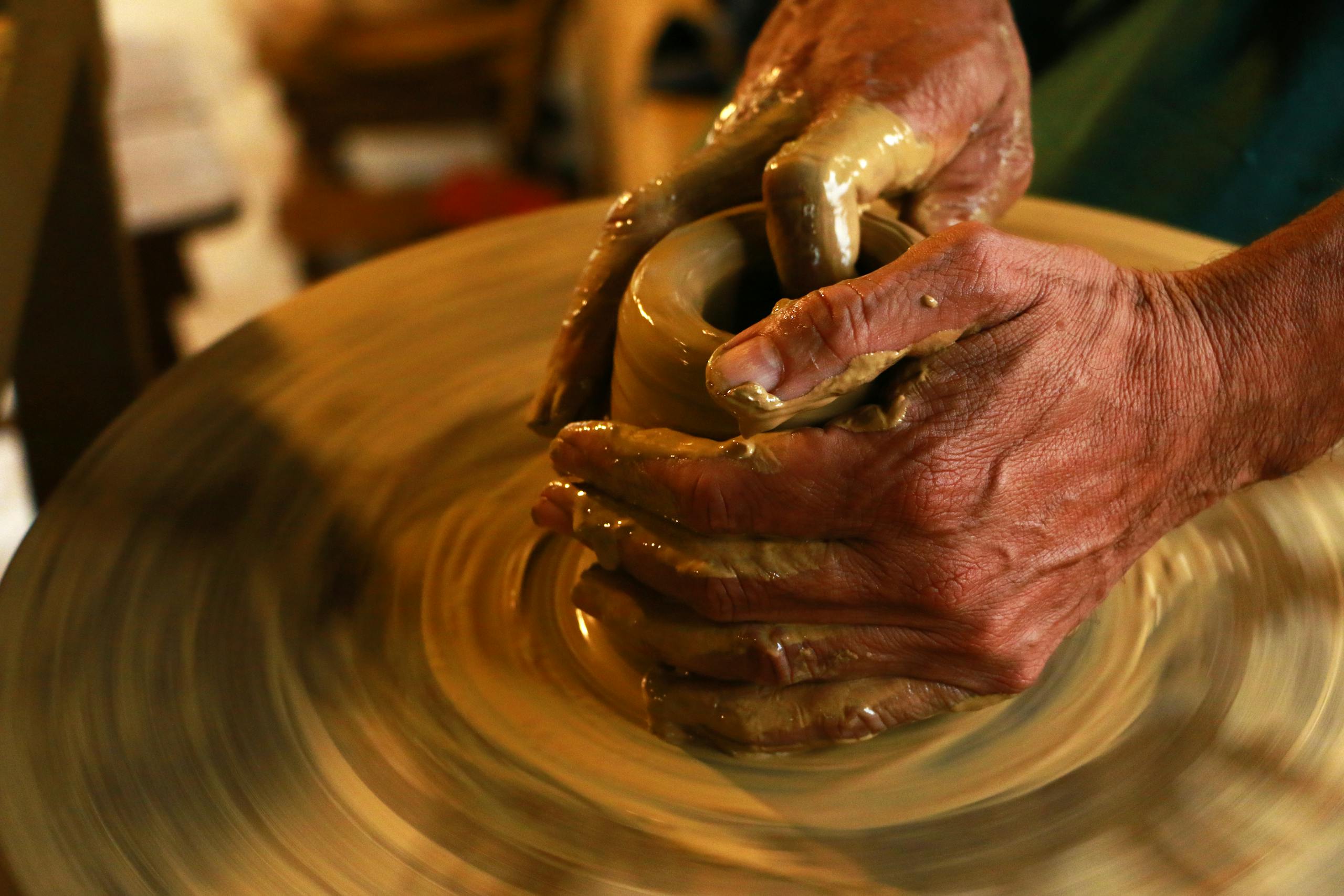
Flow state isn’t mystical, though it can feel that way. Psychologically, it describes a condition where the challenge level of an activity matches the skill level of the person doing it closely enough that self-monitoring drops away. You’re not watching yourself perform. You’re just performing. That disappearance of the self-observing mind is significant for introverts, who tend toward high levels of internal monitoring and self-reflection.
As an INTJ, my default mode involves a lot of internal processing. I’m constantly running simulations, anticipating outcomes, evaluating options. That capacity is genuinely useful in strategic work, but it has a cost. It’s tiring in a specific way, the way that constant background computation tires a processor. Flow state, when it arrives, is one of the few conditions that actually pauses that process. Not through force or discipline, but because the activity simply requires all available bandwidth.
Mountain biking at a technical level does this particularly well. The sensory demands of reading a trail in real time, adjusting weight distribution, timing braking and acceleration, all of it requires a quality of attention that crowds out rumination. You cannot simultaneously worry about a client presentation and commit to a gap jump. The trail enforces presence in a way that meditation retreats sometimes struggle to achieve.
A study published through PubMed Central examining flow states in physical activity found that participants reported significant reductions in anxiety and negative affect following flow experiences, with effects that persisted beyond the activity itself. For introverts managing the cumulative stress of high-stimulation environments, that kind of carry-over benefit is worth taking seriously.
There’s also the physical dimension. Sustained aerobic exercise at moderate intensity has well-documented effects on mood and cognitive function. When that exercise happens in a flow state, the combination seems to amplify both the physical and psychological benefits. You’re not just getting a workout. You’re getting a genuine neurological reset.
How Should an Introvert Prepare for a Flow State Mountain Bike Festival?
Preparation matters more for introverts at any large event than it does for extroverts. Extroverts can often improvise their way through a new social environment and find it energizing. Introverts tend to do better when they know what to expect, have planned their own recovery time, and have given themselves permission to opt out of elements that don’t serve them.
For a flow state mountain bike festival specifically, that means a few practical things. Know the trail map before you arrive. Having a clear plan for which trails you want to ride reduces the decision fatigue that comes with handling a new environment under social pressure. It also means you can move through the event with intention rather than following the crowd.
Build recovery time into the schedule deliberately. If the festival runs from morning to late evening, plan which parts of the day you’ll participate in and which parts you’ll use for genuine rest. This isn’t antisocial. It’s maintenance. The essential daily practices for HSPs apply in festival contexts just as much as at home, and probably more so given the elevated stimulation level.
Sleep is also non-negotiable. Multi-day festivals often involve camping or shared accommodation, both of which can disrupt the sleep quality that introverts depend on for recovery. Bringing earplugs, an eye mask, and whatever creates a sense of personal space in a shared environment isn’t excessive. It’s strategic. The rest and recovery strategies for sensitive people become especially relevant when you’re asking your nervous system to handle both physical exertion and sustained social exposure over multiple days.
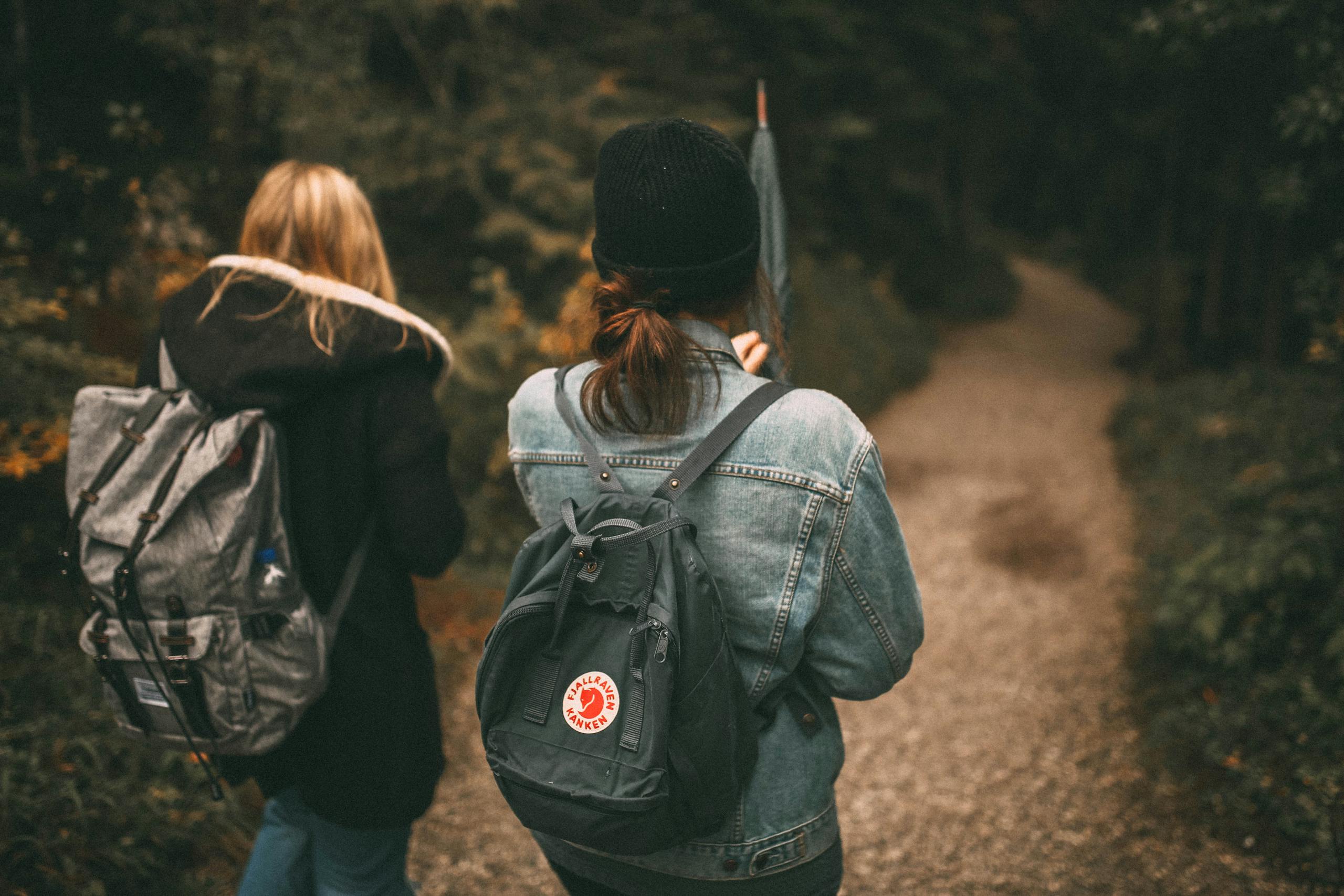
Give yourself explicit permission to ride alone. Many festival participants default to group rides because that’s the social expectation. Introverts often get more from a solo session on a flow trail than from a group ride where the pace and conversation are managed collectively. Riding alone isn’t a sign that something went wrong. Sometimes it’s the whole point.
Is Solo Riding at a Festival a Valid Form of Introvert Self-Care?
Absolutely, and it’s worth saying plainly because many introverts carry an unnecessary guilt about choosing solitude within social settings. The assumption that attending a group event obligates you to constant group participation is one of those unexamined social scripts that doesn’t actually serve anyone well.
Solo riding at a flow festival is a legitimate form of self-care. It’s also, for many introverts, a more authentic way of experiencing the event. You’re there for the trails, for the flow, for the particular quality of attention that this kind of riding produces. You don’t have to justify that by also performing sociability on demand.
My dog Mac taught me something about this years ago, which sounds strange until you’ve read about Mac’s relationship with alone time. Some creatures simply need solitude to function well, and there’s no apology required for that need. Honoring it is the more mature response.
Solo travel and solo participation in group events is a growing pattern, and Psychology Today has noted that choosing solo experiences isn’t a new behavior born of social anxiety but often a deliberate preference that reflects genuine self-knowledge. Introverts who choose to ride alone at a festival are exercising that same kind of self-knowledge.
There’s also something worth noting about the quality of experience that solitude enables in a flow context. When you’re riding alone, there’s no social performance happening in the background of your attention. You’re not managing another rider’s pace or responding to commentary. The trail has your full attention, and that full attention is what produces the flow state you came for.
What Can Introverts Take Home From the Flow State Mountain Bike Festival Experience?
The most durable thing introverts tend to bring home from these events isn’t fitness or technique, though both improve. It’s a renewed understanding of what genuine recovery feels like in the body. Many introverts spend so much time in environments that drain them that they lose the baseline sense of what it feels like to be genuinely restored. A flow trail session in a natural setting can recalibrate that baseline in a way that’s hard to replicate through more passive forms of rest.
After years of running agencies, I got very good at functioning while depleted. I knew how to show up in a client meeting on three hours of sleep and a full day of back-to-back calls behind me. What I was slower to learn was that functioning and thriving are different things, and that the gap between them was costing me in ways I couldn’t fully see from inside it. Physical flow activities were part of what helped me close that gap.
The essential need for alone time that many introverts and HSPs share isn’t fully met by passive rest. Sometimes the nervous system needs active solitude, engagement that’s absorbing enough to crowd out rumination but not socially demanding. Flow riding is one of the better tools available for that particular need.
There’s also the community aspect, which is worth acknowledging even in an article about introvert recovery. The mountain biking community at flow-focused events tends toward a particular quality of connection: shared enthusiasm for a specific thing, low pressure social interaction, and a culture that respects people who want to ride and not talk. For introverts who find most social environments exhausting, that culture can feel like a genuine relief. You can belong without performing.
A recent PubMed Central study on physical activity and psychological well-being found that activities combining physical challenge with natural environments produced stronger recovery effects than either element alone. The flow state mountain bike festival, at its best, delivers exactly that combination, physical engagement, natural setting, and the particular quality of absorbed attention that introverts often find most restorative.
The case for embracing solitude as a health practice has never been stronger, and Harvard Health has drawn an important distinction between solitude chosen freely and isolation experienced involuntarily. Flow riding, particularly in a festival context where connection is available but not required, sits squarely in the healthy category. You’re choosing your own company on the trail. That’s not isolation. That’s self-possession.

If you’re building a more intentional approach to recovery and recharging as an introvert, the full range of practices and perspectives lives in our Solitude, Self-Care and Recharging Hub, where flow activities are part of a broader conversation about what actually restores an introverted nervous system.
About the Author
Keith Lacy is an introvert who’s learned to embrace his true self later in life. After 20 years in advertising and marketing leadership, including running agencies and managing Fortune 500 accounts, Keith now channels his experience into helping fellow introverts understand their strengths and build fulfilling careers. As an INTJ, he brings analytical depth and authentic perspective to every article, drawing from both professional expertise and personal growth.
Frequently Asked Questions
What is a flow state mountain bike festival?
A flow state mountain bike festival is an event centered around trail riding specifically designed to produce flow, that condition of complete absorption where skill and challenge are closely matched and self-conscious thinking drops away. These events typically feature purpose-built flow trails with bermed corners, rollers, and rhythm sections that sustain momentum and encourage the kind of focused, rhythmic riding that produces flow states. They often include multiple days of riding, skills clinics, and a community atmosphere built around shared enthusiasm for trail riding rather than competitive racing.
Can introverts genuinely recharge at a mountain bike festival?
Yes, though the how matters. Flow state mountain bike festivals differ from most festival formats because the central activity, riding, is inherently solitary and absorbing. Even within a social event, the trail creates natural solitude during each ride session. Introverts who plan their schedule deliberately, build in recovery time, protect their sleep, and give themselves permission to ride alone can find genuine restoration at these events. what matters is treating the festival as a vehicle for flow and nature immersion rather than primarily a social event.
How does flow state relate to introvert self-care?
Flow state addresses a specific self-care need that passive rest doesn’t always meet: the need for active solitude. Many introverts find that their minds continue processing and ruminating even during rest, making genuine mental quiet difficult to achieve through stillness alone. Flow state activities, including mountain biking, demand enough focused attention to interrupt that cycle. The result is a quality of mental rest that feels different from sleep or relaxation, more like a genuine clearing of the cognitive field. For introverts who carry high cognitive loads, that clearing effect can be deeply restorative.
Is mountain biking a good activity for highly sensitive people?
Mountain biking can be an excellent fit for highly sensitive people, with some important considerations. The sensory richness of natural trail environments tends to be the kind of stimulation that HSPs find regulating rather than overwhelming, particularly compared to urban or social environments. The physical demands of riding also create a focused channel for sensory input that can feel organizing rather than chaotic. That said, HSPs should approach skill development at their own pace, choose trail difficulty levels that feel challenging without being overwhelming, and be thoughtful about recovery after rides, since physical exertion compounds the sensory processing load of a full festival day.
What should introverts look for when choosing a flow state mountain bike festival?
Introverts benefit most from festivals that offer flexible scheduling rather than mandatory group activities, trails suited to a range of skill levels so you can find your own flow without pressure, camping or accommodation options that allow some degree of personal space, and a culture that respects riders who prefer solo sessions. Smaller regional events often provide a better introvert experience than large commercial festivals, simply because the social pressure is lower and the community tends to be more genuinely connected around the riding itself. Reading event descriptions for language around community, skills development, and trail variety gives a reasonable sense of whether the culture will suit an introverted participant.