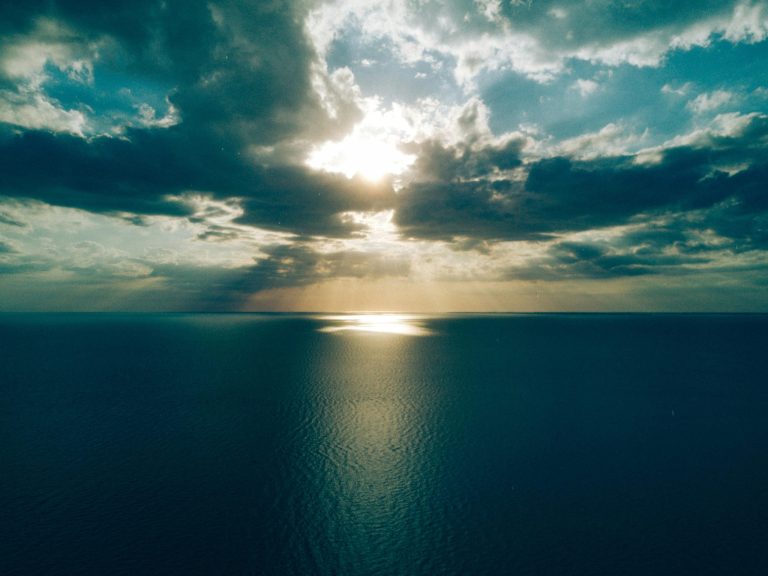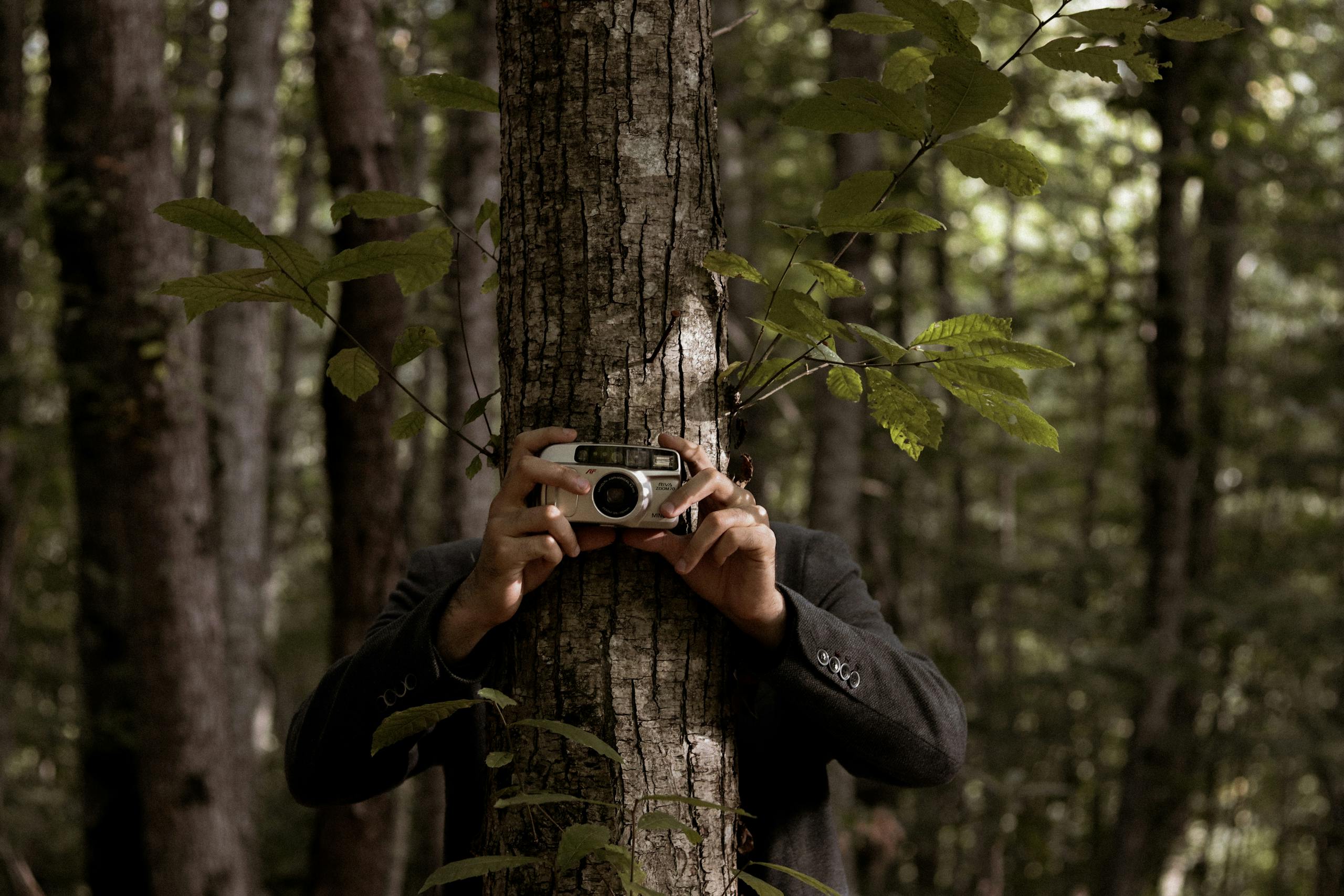

Minimalism photography is the practice of creating images with deliberate simplicity, stripping away visual noise to focus on a single subject, a clean background, or the quiet tension between empty space and form. For introverts, this practice offers something beyond aesthetics. It becomes a form of active solitude, a way of training attention inward while the world outside falls away.
There’s a reason so many introverts are drawn to minimalist images. The visual quietness mirrors something internal, a preference for depth over clutter, meaning over spectacle. When you pick up a camera and start seeing the world through that lens, literally and figuratively, something in the nervous system settles.
I came to minimalism photography the way I come to most things that matter: slowly, sideways, and only after burning out on the louder alternative.

If you’re someone who craves stillness, who finds restoration in quiet rituals and intentional solitude, minimalism photography might be one of the most natural creative outlets you’ve never fully explored. Our Solitude, Self-Care and Recharging hub covers the full range of practices that help introverts restore their energy, and what I’ve found is that creative practices like this one sit right at the intersection of self-expression and genuine rest.
Why Do Introverts Connect So Deeply With Minimalist Images?
Spend any time in introvert communities online and you’ll notice a pattern in the images people share. Not the busy, saturated travel shots or the crowded street photography. What gets passed around, saved, and quietly admired tends to be the opposite. A single bare tree against a white winter sky. A coffee cup on an empty table. One person walking down a long, empty road.
There’s a psychological logic to this preference. Introverts process information deeply and often find dense visual environments overstimulating. A minimalist image gives the mind room to breathe. It asks you to slow down and look more carefully at less. That’s not a passive experience. It’s an active one, and it aligns with how many introverts naturally move through the world.
Running advertising agencies for over two decades, I spent years surrounded by visual noise. Concept boards, pitch decks, brand guidelines stacked three campaigns deep. The creative directors I managed, including several INFPs and ISFPs who had a natural gift for visual storytelling, often did their best work when I cleared their schedules and let them work alone. One ISFP art director I managed for years used to come in early before anyone else arrived, and the work she produced in those quiet hours was consistently the strongest of her week. I watched that pattern repeat across multiple people. Stillness wasn’t a luxury for them. It was a condition for quality.
That observation stuck with me long after I left agency life. Minimalism in visual art isn’t just an aesthetic choice. It’s an environment that supports a certain kind of thinking, the kind that introverts do naturally when given the space.
What Makes Minimalism Photography Different From Other Creative Practices?
A lot of creative hobbies pull you outward. Improv theater. Collaborative music. Group painting workshops with wine and chatter. These are wonderful for people who recharge through social interaction, but they can leave introverts more depleted than when they started.
Minimalism photography is fundamentally a solitary practice. You and a camera and whatever quiet corner of the world you’ve decided to pay attention to. Even when you’re photographing in public spaces, the act itself creates a kind of psychological bubble. You’re observing, not performing. You’re receiving, not transmitting.
There’s a significant difference between being alone and being lonely, and creative solitude sits firmly on the restorative side of that line. Harvard Health has written thoughtfully about the distinction between loneliness and isolation, noting that voluntary solitude chosen with intention carries very different psychological effects than unwanted social disconnection. Minimalism photography is chosen solitude with a purpose, which is about as close to ideal recharging as many introverts can get.
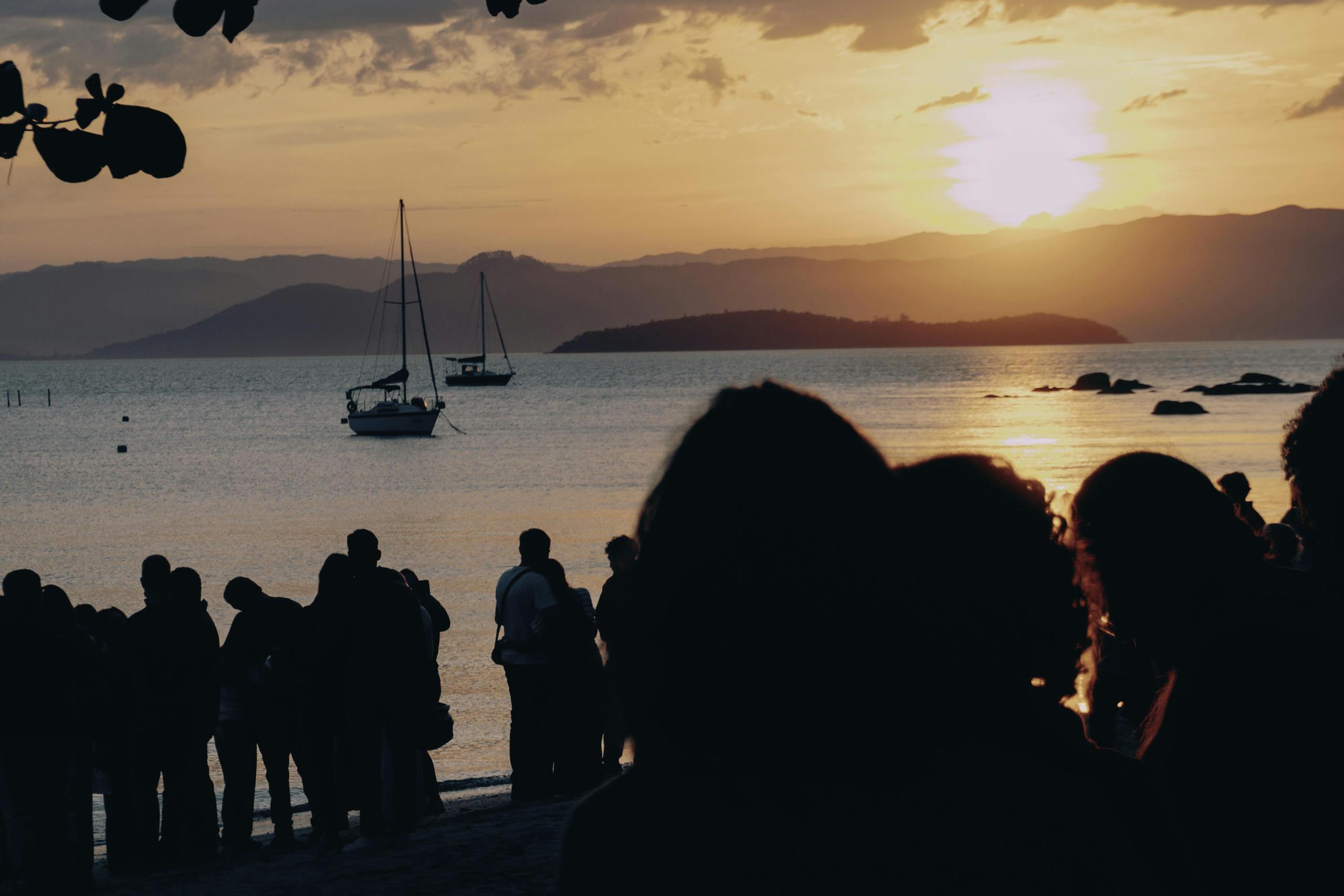
What also sets this practice apart is the quality of attention it requires. You can’t shoot a genuinely minimalist photograph while distracted. You have to look for what to remove, what to include, where the light is falling, how the negative space is working. That kind of focused, present-moment attention is actually restorative for many introverts. It’s the same quality of mind that makes deep reading or journaling feel replenishing rather than draining.
The connection between solitude and creativity is well-documented. Berkeley’s Greater Good Science Center has explored how solitude can enhance creative thinking, pointing to the way uninterrupted quiet allows the mind to make connections it can’t form in noisy environments. Minimalism photography puts you in exactly that state.
How Does the Practice of Minimalism Photography Support Emotional Regulation?
One of the things I’ve noticed in my own life is that when I’m emotionally overwhelmed, my instinct is to simplify my environment. Clear the desk. Close the browser tabs. Step outside. There’s something about reducing external input that creates space for internal processing.
Minimalism photography externalizes that instinct. You’re literally walking through the world asking, “What can I remove? What’s essential here?” That question, practiced enough times with a camera, starts to reshape how you see everything else. It becomes a kind of visual meditation.
Many highly sensitive people find this practice particularly valuable. If you’ve read about HSP self-care and daily practices, you’ll recognize the pattern: activities that require focused, quiet attention tend to regulate the nervous system far more effectively than passive distraction. Scrolling your phone doesn’t restore you. Spending forty-five minutes photographing the way afternoon light falls across an empty stairwell might.
There’s also something worth naming about the emotional safety of the practice. Minimalism photography doesn’t require you to explain yourself to anyone. You’re not performing for an audience in real time. You’re not being evaluated on your social fluency or your ability to hold a room. You’re just looking, and deciding what matters, and pressing a button. For introverts who spend significant energy managing how they’re perceived in social and professional settings, that freedom is genuinely restorative.
I spent years in client-facing agency work where every meeting was a performance. Pitch presentations to Fortune 500 marketing teams where the room was full of people who needed to feel confident in us before they’d sign anything. I learned to do that work well, but it cost me. The recovery time after a heavy presentation week was real, and I didn’t always honor it. Minimalism photography, in the years since, has become one of the ways I pay that debt back to myself.
What Are the Core Principles of Minimalism Photography and How Do You Actually Start?
You don’t need expensive equipment. A smartphone with a decent camera is genuinely sufficient for learning and practicing minimalism photography. What you need is an eye, and that’s something you develop through attention, not spending.
The foundational principles are straightforward, though applying them takes practice.
Negative Space
In minimalist composition, the empty areas of an image carry as much weight as the subject itself. A bird on a wire becomes powerful when surrounded by open sky. A single door in a blank wall becomes compelling because of what isn’t there. Learning to see negative space means training yourself to look at the whole frame, not just the thing you want to capture.
Simplicity of Subject
Minimalism photography typically involves one clear subject. Not a group of subjects competing for attention. Not a complex scene with multiple focal points. One thing, seen clearly. Finding that single subject requires you to edit your environment before you even take the shot, which is itself a meditative act.
Tonal Restraint
Many minimalist photographs work in limited color palettes, often monochrome or near-monochrome. This isn’t a rule, but it’s a useful constraint for beginners. When you remove color variation from the equation, you’re forced to pay attention to form, light, and shadow instead. Those elements are often where the emotional power of an image lives.
Light as the Real Subject
In minimalist work, light isn’t just illumination. It’s often the actual subject of the photograph, even when there’s an object in the frame. The way morning light cuts across a bare floor. The soft diffusion of overcast light on a white wall. Learning to see light rather than just objects is a shift in perception that takes time, but once it happens, you start seeing potential photographs everywhere.
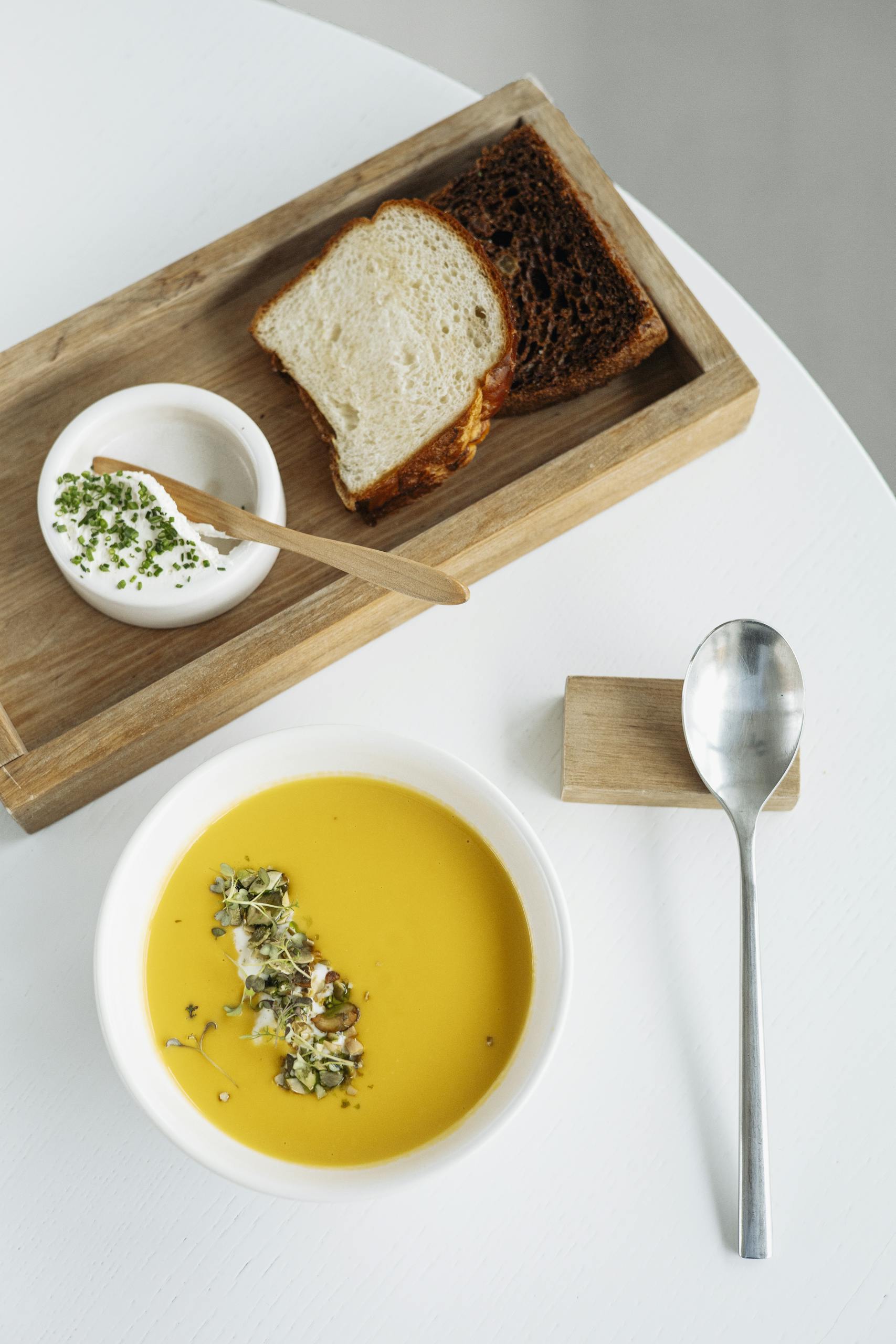
Starting is simple: pick one room in your home, or one outdoor location you know well, and spend thirty minutes looking for minimalist compositions. Don’t worry about whether the images are good. You’re training your eye, not building a portfolio. The practice itself is the point.
How Does Minimalism Photography Connect to Nature and Outdoor Solitude?
Some of the most naturally minimalist environments exist outdoors. Fog-covered fields. Snow-blanketed landscapes. A single tree at the edge of a frozen lake. Nature has a way of arranging itself into compositions that require very little editorial intervention from the photographer.
For introverts who already find restoration in natural environments, combining outdoor time with minimalism photography creates a kind of compounded benefit. You’re getting the restorative effects of nature and the focused attention of a creative practice at the same time. If you’ve explored the healing power of nature connection for highly sensitive people, you’ll recognize how powerfully the two reinforce each other.
There’s also something about outdoor minimalism photography that slows your pace in a healthy way. You can’t rush through a foggy morning looking for the perfect composition. The light changes, the mist shifts, and you have to be present to catch what’s there. That enforced patience is good for an INTJ like me, someone who tends to move fast mentally and can miss what’s right in front of me when I’m operating at full cognitive speed.
Early morning shoots have become a particular ritual. Before the day’s demands arrive, before the phone starts filling with messages, there’s a window of genuine quiet. Going out with a camera during that window, looking for simple compositions in the low morning light, has become one of the most reliable ways I know to start a day feeling centered rather than reactive.
Quality sleep matters here too, in a way that’s easy to overlook. The perceptual sensitivity that makes minimalism photography rewarding, that ability to notice subtle light and quiet beauty, is significantly dulled by fatigue. If you’re working on building any creative practice, the rest and recovery strategies that help highly sensitive people sleep well are worth taking seriously. You see differently when you’re rested.
What Happens to Your Inner Life When You Practice This Consistently?
Something shifts when you practice minimalism photography over weeks and months. The change isn’t dramatic or sudden. It’s more like a gradual recalibration of attention.
You start noticing things you used to walk past. The particular quality of light at 4pm in November. The way a single leaf against wet pavement creates a composition that would have meant nothing to you a year ago. Your eye gets quieter, in a sense. More selective. More patient.
That recalibration carries over into daily life. Introverts who already tend toward observation and internal processing often find that a regular creative practice deepens those capacities rather than depleting them. Work published in Frontiers in Psychology on attention and creative engagement points to how sustained creative practices can strengthen the quality of focused attention over time, which has downstream benefits for everything from emotional regulation to decision-making.
There’s also a specific benefit for introverts who struggle with what I’d call the noise of unprocessed experience. After a demanding week, a heavy client situation, or a stretch of social obligations that have pushed past my comfortable limits, I sometimes find that going out with a camera helps me process what I haven’t had time to sit with. Something about the focused, quiet attention of photography creates conditions for internal sorting that I don’t get from just sitting still.
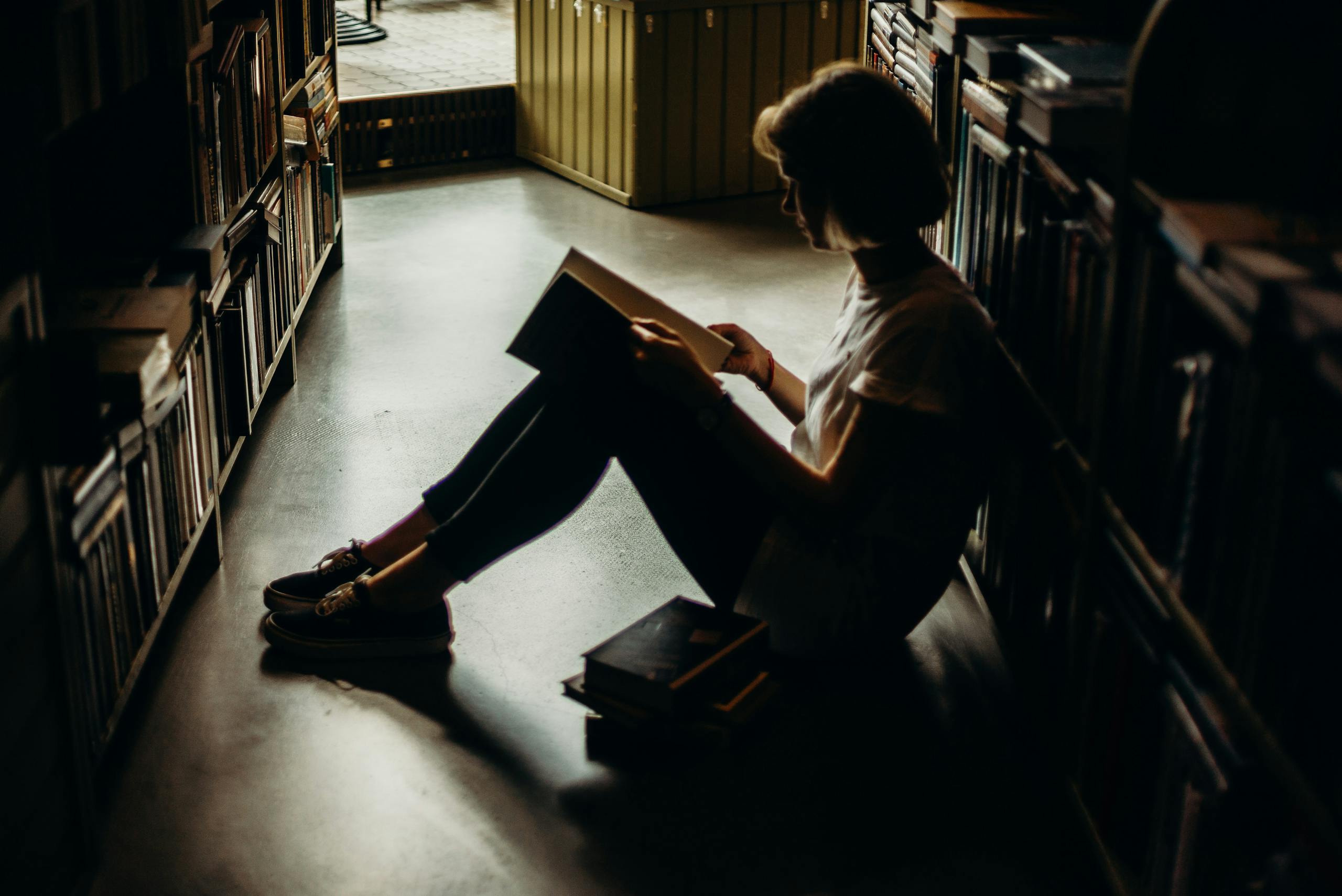
This connects to something important about what introverts actually need from alone time. It’s not just the absence of people. It’s the presence of a certain quality of inner quiet. Solitude as an essential need is something many highly sensitive introverts understand intellectually but don’t always protect in practice. A creative practice like minimalism photography gives solitude a structure, which makes it easier to prioritize and easier to actually inhabit.
When that solitude gets consistently skipped, the effects compound. What happens when introverts don’t get enough alone time isn’t just irritability or fatigue. It’s a gradual erosion of the inner clarity that makes introverts effective, creative, and emotionally grounded. Having a practice that makes you actively seek solitude, rather than just hoping to find it, changes that equation.
Can Minimalism Photography Become a Meaningful Form of Self-Expression?
Introverts often have rich inner lives that don’t translate easily into words, especially in the moment. Conversation requires real-time processing that can feel like trying to write a first draft while someone watches. Visual expression sidesteps that entirely.
What you choose to photograph tells a story about what you notice, what you value, what you find beautiful or significant. Over time, a body of minimalist photographs becomes a kind of visual autobiography. Not a record of events, but a record of attention. Of what mattered enough to stop and frame.
I’ve found this particularly true in the years since leaving full-time agency work. The photographs I’ve taken in that period are quieter than anything I would have made during the agency years, when everything was fast and loud and optimized for client approval. The images I make now tend toward empty spaces, single objects, long shadows. I’m not sure I could have articulated what I was processing during that transition if you’d asked me directly. The photographs did it instead.
There’s also something worth saying about sharing this kind of work. Minimalism photography doesn’t demand an audience, but sharing selectively, with people who appreciate quiet images, can be a surprisingly connective experience for introverts. Psychology Today has written about how embracing solitude for health doesn’t mean withdrawing from connection entirely, but rather building a relationship with your inner life that makes the connections you do choose more meaningful. Sharing photographs you’ve made in solitude can be one of those meaningful connections.
The practice also pairs naturally with other solo pursuits. A morning walk that becomes a photography session. A solo trip where the camera gives you a reason to slow down and stay longer in places others rush through. There’s real value in protecting time that’s fully your own, and minimalism photography is one of the better reasons I know to do exactly that.
How Do You Build a Sustainable Practice Without Turning It Into Another Obligation?
This is the question that matters most for introverts who tend toward perfectionism, and I include myself in that category. The risk with any creative practice is that it gradually accumulates the weight of expectation until it stops feeling restorative and starts feeling like work.
Minimalism photography is particularly vulnerable to this because the aesthetic is so clear. You can look at a masterfully composed minimalist photograph and immediately see the gap between that and what you’re producing. That gap can become discouraging if you let it.
The protection against that is keeping the practice process-oriented rather than outcome-oriented. You’re not going out to produce great photographs. You’re going out to spend time looking carefully at the world. Some days you’ll come back with something you love. Most days you won’t. Both are fine.
Practically, this means a few things. Keep sessions short enough that they feel like a break, not a commitment. Thirty to forty-five minutes is usually enough to shift your mental state without creating pressure to produce. Leave the editing for another time, or skip it entirely. And resist the pull to post every session on social media, which reintroduces the performance dynamic that the practice is supposed to help you escape.

The sustainable version of this practice is quiet and private. You go out, you look, you come back. Some weeks you do it three times. Some weeks you don’t do it at all. The practice doesn’t judge you for the gaps. It’s just there when you need it.
One thing that’s helped me maintain creative practices over the years is understanding how they fit into a broader pattern of self-care rather than treating them as isolated activities. Research published in PubMed Central on the relationship between creative engagement and psychological wellbeing suggests that creative practices work best when they’re integrated into a regular rhythm of self-care rather than reserved for special occasions. Minimalism photography fits that model well because it’s accessible, low-cost, and can be practiced almost anywhere.
There’s also a physiological dimension worth considering. Findings from PubMed Central on stress, attention, and restorative environments point to the way that certain kinds of focused, low-stakes attention can actively reduce cortisol and support nervous system regulation. For introverts who carry a lot of social and professional stress, having a practice that works on that level, not just emotionally but physiologically, is worth prioritizing.
If you’re building a life that genuinely supports your introverted nature, practices like minimalism photography belong in the same conversation as sleep, boundaries, and intentional solitude. The full picture of what that kind of life can look like is something I explore throughout the Solitude, Self-Care and Recharging hub, and minimalism photography fits naturally into that larger framework.
About the Author
Keith Lacy is an introvert who’s learned to embrace his true self later in life. After 20 years in advertising and marketing leadership, including running agencies and managing Fortune 500 accounts, Keith now channels his experience into helping fellow introverts understand their strengths and build fulfilling careers. As an INTJ, he brings analytical depth and authentic perspective to every article, drawing from both professional expertise and personal growth.
Frequently Asked Questions
Do I need professional camera equipment to start minimalism photography?
No. A modern smartphone camera is genuinely sufficient for learning and practicing minimalism photography. The principles of the practice, negative space, simplicity of subject, attention to light, are about how you see, not what equipment you use. Many accomplished minimalist photographers work primarily with smartphones. Start with what you have and invest in gear only if the practice grows into something you want to deepen.
Why is minimalism photography particularly well-suited to introverts?
Minimalism photography is a solitary, quiet practice that requires deep, focused attention rather than social performance. It aligns with the way many introverts naturally process the world, through careful observation and internal reflection. The practice creates a structured form of restorative solitude, which is something many introverts need but don’t always protect. It also provides a non-verbal outlet for expression, which can be valuable for people who find real-time verbal communication draining.
How long should a minimalism photography session last?
Thirty to forty-five minutes is a good starting point. Long enough to shift your mental state and settle into focused attention, short enough to feel like a break rather than a commitment. The goal is for the practice to feel restorative, so sessions should end before they start to feel like work. As you build the habit, you’ll develop a natural sense of your own ideal session length.
Can minimalism photography help with burnout recovery?
Many introverts find that creative practices involving focused, quiet attention support burnout recovery more effectively than passive rest alone. Minimalism photography specifically creates conditions for what’s sometimes called restorative attention, a state of gentle focus that allows the mind to process and integrate without the demands of social or professional performance. It’s not a replacement for addressing the structural causes of burnout, but as a regular practice, it can be a meaningful part of recovery and prevention.
What are the best subjects for minimalism photography beginners?
Start with your immediate environment. Everyday objects against clean backgrounds, architectural details like doorways or windows, natural elements like a single branch or a patch of light on a wall. The goal is to find compositions where one subject is clearly dominant and the surrounding space is relatively uncluttered. Overcast days are particularly forgiving for beginners because the soft, even light reduces harsh shadows and makes it easier to focus on form and composition.